
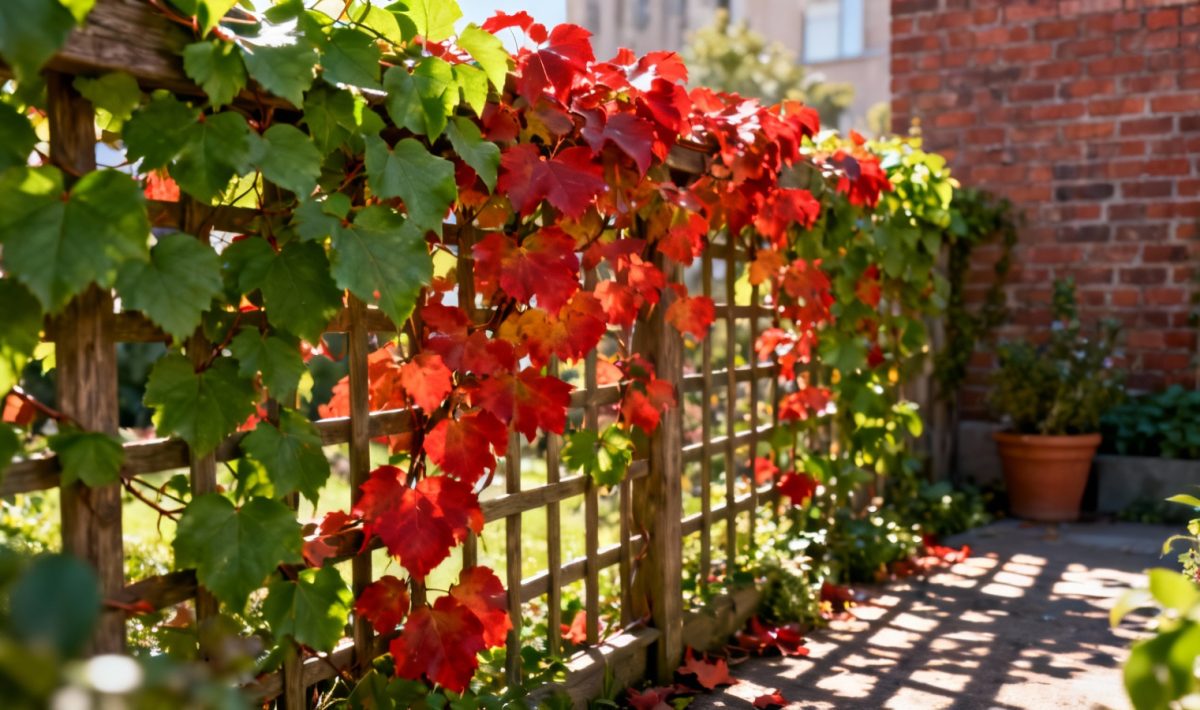
Understanding Virginia creeper’s sunlight requirements
When planning your urban garden, understanding how much sunlight does Virginia creeper need becomes essential for successful cultivation. This remarkable climbing plant, scientifically known as Parthenocissus quinquefolia, demonstrates exceptional adaptability to various light conditions. Virginia creeper thrives in environments ranging from full sun to partial shade, making it an excellent choice for city gardens with diverse lighting situations.
The beauty of this plant lies in its flexibility regarding light exposure. Virginia creeper can tolerate both bright, direct sunlight and shadier locations, which makes it particularly valuable for urban gardeners dealing with buildings and structures that create varying light patterns throughout the day.
Optimal light conditions for best results
For the most spectacular autumn coloration that Virginia creeper is famous for, providing adequate sunlight proves crucial. The plant produces its most vibrant red and scarlet fall colors when grown in locations receiving at least 4-6 hours of direct sunlight daily. However, this doesn’t mean the plant suffers in shadier spots.
In partial shade conditions, Virginia creeper still grows vigorously but may display less intense autumn colors. The plant adapts well to morning sun with afternoon shade, a common scenario in urban environments where buildings create natural shade patterns. This adaptability makes it perfect for covering walls, fences, and trellises in city gardens where light conditions aren’t always ideal.
Seasonal light considerations
Throughout the growing season, Virginia creeper’s light needs remain relatively consistent. During spring and summer months, the plant benefits from steady light exposure to fuel its rapid growth. The climbing nature of this vine means it naturally seeks light, growing upward and outward to capture available sunlight.
In winter, when the plant enters dormancy and drops its leaves, light requirements become minimal. This seasonal cycle allows Virginia creeper to conserve energy and prepare for the next growing season’s vigorous growth.
Managing Virginia creeper in different light environments
Urban gardeners often face unique challenges with light availability, but Virginia creeper’s tolerance makes it manageable in various situations. For gardens with limited direct sunlight, this plant still provides excellent coverage and greenery. While autumn colors may be less pronounced in shade, the plant’s dense foliage and rapid growth compensate for this limitation.
When growing Virginia creeper in containers or small urban spaces, consider the daily sun patterns in your area. Position containers to receive morning sun when possible, as this helps the plant establish strong growth patterns. Similar to how sunlight requirements for Arabian coffee vary based on growing conditions, Virginia creeper adapts its growth to available light.
Signs of proper light exposure
Healthy Virginia creeper in appropriate light conditions displays vigorous growth with well-developed leaves. The plant produces strong, woody stems that support its climbing habit effectively. During the growing season, look for consistent leaf production and steady upward or outward expansion.
In autumn, plants receiving adequate sunlight showcase the brilliant red coloration that makes Virginia creeper so desirable. Even in partial shade, healthy plants should demonstrate good leaf coverage and structural strength.
Common lighting challenges and solutions
Urban environments present unique obstacles for plant lighting, including shadows from buildings, limited ground space, and reflected heat from pavement. Virginia creeper handles these challenges better than many climbing plants due to its natural adaptability.
For gardeners dealing with heavy shade, consider training Virginia creeper to climb toward available light sources. The plant’s natural tendency to seek light helps it navigate challenging urban conditions. Just as Guernsey fleabane sunlight needs require specific attention to light quality, Virginia creeper benefits from understanding your garden’s unique light patterns.
Maximizing available light
Small urban gardens can benefit from strategic placement of Virginia creeper to make the most of limited sunlight. Plant near south-facing walls or fences that receive the most direct sun throughout the day. These locations typically provide the warmth and light intensity that promote the best growth and autumn coloration.
Consider using reflective surfaces or light-colored walls behind Virginia creeper to increase available light. This technique helps plants in partially shaded areas receive additional indirect light, supporting healthier growth patterns.
Comparing Virginia creeper with other climbing plants
Understanding how Virginia creeper’s light requirements compare to other climbers helps urban gardeners make informed choices. Unlike more demanding vines that require specific light conditions, Virginia creeper offers flexibility that suits varied urban environments.
This adaptability sets it apart from plants with stricter requirements. For instance, while some climbers need constant direct sun, Virginia creeper thrives with moderate light levels. This characteristic makes it an excellent alternative for gardeners who’ve struggled with more finicky climbing plants in urban settings.
When planning your garden layout, consider how light requirements for creeping bellflower might complement Virginia creeper’s needs. Both plants offer different growth habits but share similar adaptability to urban conditions.
Practical planting recommendations
For urban gardeners ready to plant Virginia creeper, choose locations that receive at least partial sun for best results. Morning sun with afternoon shade works particularly well in hot climates, preventing leaf scorch while maintaining healthy growth.
Prepare planting areas with good drainage, as Virginia creeper prefers well-draining soil regardless of light conditions. The plant’s root system develops more effectively when not waterlogged, supporting stronger top growth that can better utilize available sunlight.
Long-term care and light management
Established Virginia creeper requires minimal intervention regarding light management. The plant naturally adapts to changing conditions as surrounding vegetation grows or structures are modified. This self-regulating characteristic makes it ideal for low-maintenance urban gardens.
Regular pruning helps maintain the plant’s shape and ensures even light distribution throughout the vine. Remove any dead or overcrowded growth that might shade healthy sections. This maintenance practice keeps the plant vigorous and promotes better light penetration to all parts of the vine.
Consider seasonal changes in your urban environment that might affect light availability. Tree canopies that provide shade in summer may allow more light through in winter, creating natural seasonal variation that Virginia creeper handles well. Much like understanding optimal sunlight for tree of heaven, recognizing these patterns helps you provide the best care for your climbing plants.
Year-round maintenance tips
Throughout the growing season, monitor Virginia creeper for signs of healthy growth and adequate light exposure. Strong, green foliage indicates the plant receives sufficient light for photosynthesis and energy production.
During autumn, observe the color development as an indicator of light adequacy. While plants in shade may show less dramatic color changes, healthy Virginia creeper should still demonstrate some seasonal color variation. This natural cycle confirms the plant receives adequate light for normal physiological processes.

Allan is a lifelong gardening enthusiast who still gets excited when the first seedlings pop up in spring. With a deep love for nature and a hands-in-the-soil approach, he shares practical tips, plant discoveries, and clever tricks picked up over years of digging, planting, and observing. Whether you’re a new gardener or have a shed full of tools, Allan writes like a neighbor who’s always happy to swap cuttings and stories over the fence.
You can find more about Allan’s work on Malt or connect with him on LinkedIn.


