
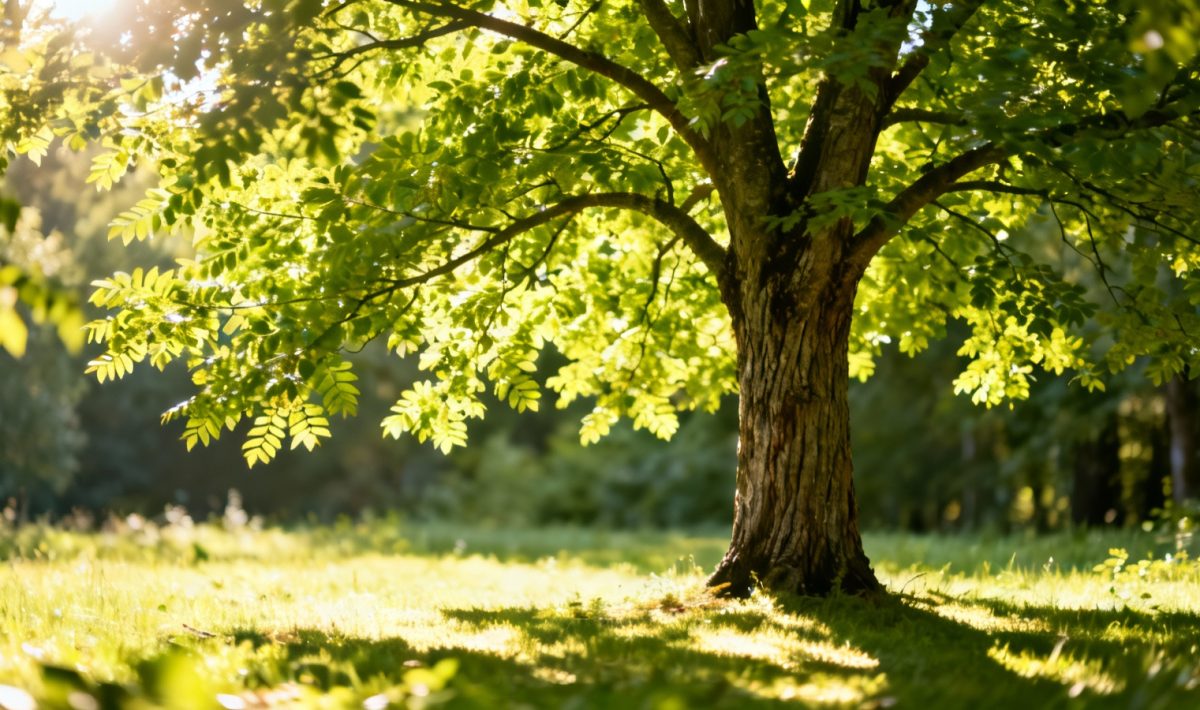
Understanding European ash sunlight requirements
The European ash tree (Fraxinus excelsior) has specific needs when it comes to light exposure, and getting this right can make all the difference in your growing success. This magnificent species thrives with 6 to 8 hours of direct sunlight daily, which allows for optimal photosynthesis and vigorous growth. When you’re planning to grow ash trees on your farm or property, understanding these light requirements will help you achieve the best results from your planting efforts.
European ash trees can reach impressive heights of 70-80 feet with a spread of 50-60 feet, but this potential can only be realized with proper sun exposure. The species has been cultivated across Europe for centuries, with national forestry programs recognizing its high value for both timber production and ecological benefits. Just as understanding sunlight requirements for purple amaranth helps with crop cultivation, knowing ash light needs ensures successful tree establishment.
Optimal light conditions for ash trees
Full sun exposure, meaning at least 6 hours of direct sunlight per day, provides the ideal growing conditions for European ash. During spring and summer months, these trees benefit from even more light – up to 8 hours daily supports robust branch development and luxuriant foliage. The intense sunlight during these active growing seasons fuels the photosynthetic processes that drive rapid growth and healthy development.
While ash trees can tolerate partial shade or filtered light conditions, such exposure significantly reduces their vigor and foliage density. Trees growing in insufficient light often develop pale leaves, weakened branches, and show increased susceptibility to various diseases. Similar to how ideal sunlight for common beans affects agricultural yields, proper ash tree lighting directly impacts their overall health and productivity.
Seasonal variations in light requirements
The ash tree’s sunlight needs change throughout the year, with spring and summer being the most critical periods for light exposure. During these active growing months, trees require maximum sunlight to support new leaf emergence, branch extension, and overall biomass accumulation. The collection of energy during these peak seasons determines how well the tree will survive winter dormancy and emerge healthy the following spring.
Autumn and winter naturally bring reduced daylight hours, but maximizing available light during these periods still benefits tree health. You can enhance light penetration by pruning nearby vegetation that might cast shadows on your ash trees. Understanding how light requirements vary seasonally, much like learning about Virginia creeper’s sunlight needs for urban gardens, helps optimize growing conditions year-round.
Impact of insufficient sunlight
When European ash trees don’t receive adequate light, they exhibit several concerning symptoms that can compromise their long-term health. Insufficient sunlight leads to elongated, weak growth as trees stretch toward available light sources. The leaves become pale and may drop prematurely, reducing the tree’s ability to photosynthesize effectively and store energy for winter survival.
Disease susceptibility increases dramatically in shade-stressed ash trees, as weakened plants cannot mount effective defenses against fungal infections and insect attacks. Poor air circulation in shaded areas creates humid microclimates that favor disease development. These factors combine to create a cycle where stressed trees become increasingly vulnerable to various pathogens and pests.
Cultivation methods for optimal ash growth
Choosing the right location for your ash trees is crucial for their long-term success, with light exposure being the primary consideration. Select sites that receive full morning and afternoon sun, avoiding areas near large buildings or mature trees that cast persistent shadows. The ideal planting site should have good air circulation while still providing protection from harsh winds that could damage young branches.
Soil conditions work hand-in-hand with light exposure to determine tree health and growth rates. European ash prefers well-draining soils with good organic content, though it can adapt to various soil types from clayey to sandy compositions. Just as sunlight conditions for Arabian coffee influence coffee cultivation, combining proper soil preparation with adequate light creates optimal growing conditions for ash trees.
Planting techniques and spacing
Proper spacing between ash trees ensures each specimen receives adequate sunlight without competing with neighbors. For farm or forestry applications, plant trees at least 20-30 feet apart to allow full canopy development and prevent shading of lower branches. This spacing also facilitates air circulation, which helps prevent disease and allows each tree to capture maximum available light throughout the day.
When establishing ash plantations or windbreaks, consider the mature size of these trees and plan accordingly. Young ash trees may seem small at planting, but their rapid growth under optimal conditions can surprise new growers. Position rows running north to south when possible to maximize light exposure for all trees throughout the growing season.
Managing competing vegetation
Controlling weeds and competing vegetation around young ash trees is essential for ensuring they receive adequate light during their establishment phase. Grass and other plants growing too close to tree trunks not only compete for nutrients and water but can also block reflected light that benefits lower branches. Regular maintenance around the base of trees creates optimal growing conditions and reduces disease pressure.
Much like understanding optimal light for Guernsey fleabane helps with garden management, knowing how to manage the environment around ash trees ensures they receive maximum benefit from available sunlight. Remove competing vegetation within a 3-foot radius of young trees to eliminate competition and improve light penetration to the root zone.
Economic considerations and products
The quality of ash timber and other products derived from these trees depends heavily on how well their sunlight requirements are met during growth. Trees grown under optimal light conditions develop dense, strong wood with excellent grain characteristics that command higher prices on the national market. The straight growth pattern achieved with proper light exposure makes ash particularly valuable for furniture, tool handles, and specialty woodworking applications.
Various products can be derived from well-grown ash trees, from traditional lumber to specialized berries and other forest products. The delivery of high-quality ash products to markets depends on consistent growing practices that prioritize adequate light exposure from seedling through maturity. Investment in proper site selection and management pays dividends through higher-quality timber production and increased economic returns.
Long-term management strategies
Successful ash cultivation requires a long-term approach to light management, as these trees can live for many decades under proper care. Regular assessment of light conditions becomes increasingly important as surrounding vegetation matures and potentially begins shading your trees. Selective pruning of competing trees and periodic thinning ensures your ash trees continue receiving adequate sunlight throughout their productive lives.
Understanding light requirements helps predict potential problems before they become serious issues, allowing for proactive management decisions. Similar to how gardeners learn about creeping bellflower sunlight preferences for garden planning, ash growers benefit from continuous monitoring and adjustment of growing conditions to maintain optimal tree health and productivity.
Conclusion and best practices
European ash trees require 6-8 hours of direct sunlight daily for optimal growth and development, with full sun exposure being the ideal condition for achieving their maximum potential. Proper site selection, adequate spacing, and ongoing management of competing vegetation are essential practices for ensuring your trees receive the light they need throughout their lives.
The investment in understanding and providing proper sunlight conditions pays dividends through healthier trees, reduced disease pressure, and higher-quality timber production. Whether you’re growing ash trees for commercial purposes or ecological benefits, prioritizing their light requirements sets the foundation for long-term success in your cultivation efforts.

Allan is a lifelong gardening enthusiast who still gets excited when the first seedlings pop up in spring. With a deep love for nature and a hands-in-the-soil approach, he shares practical tips, plant discoveries, and clever tricks picked up over years of digging, planting, and observing. Whether you’re a new gardener or have a shed full of tools, Allan writes like a neighbor who’s always happy to swap cuttings and stories over the fence.
You can find more about Allan’s work on Malt or connect with him on LinkedIn.


