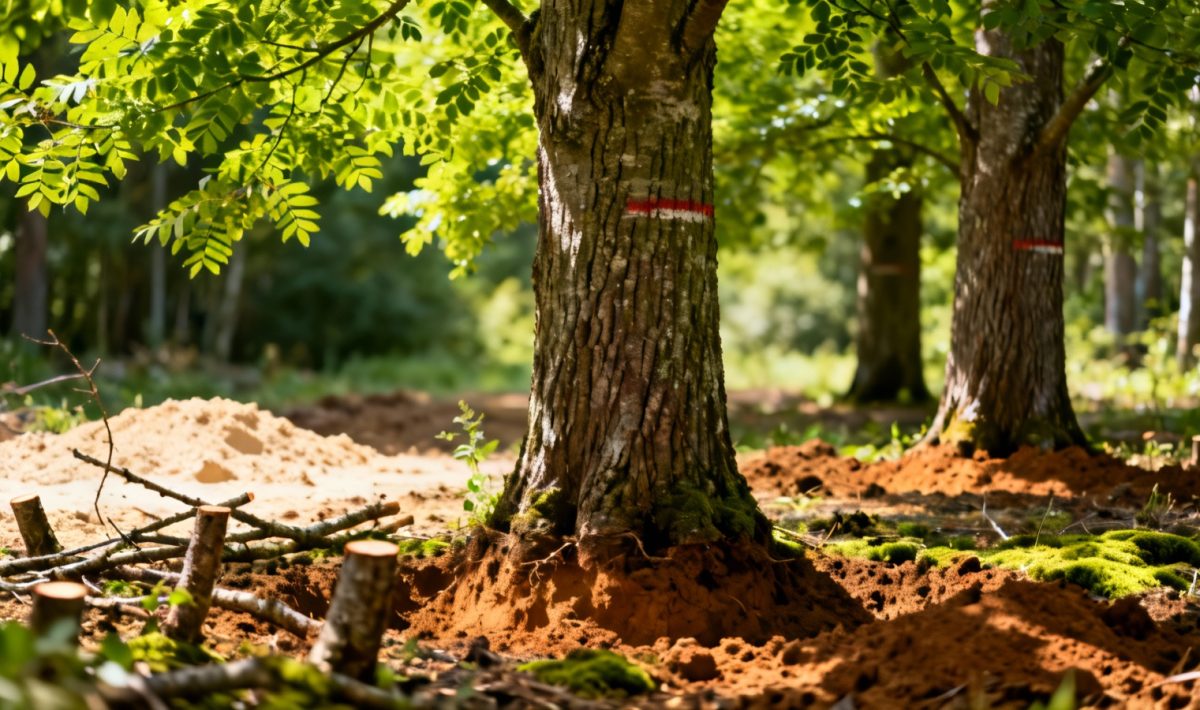
When it comes to how often should you water your European ash, understanding the tree’s natural water requirements is essential for healthy forest management. European ash trees (Fraxinus excelsior) naturally thrive in environments that provide consistent moisture without waterlogged conditions. These magnificent trees play a crucial role in carbon production and forest services, making proper watering techniques vital for their long-term success.
The European ash has evolved to handle varying water conditions through its deep root system. However, young trees require more frequent attention during their establishment phase. For newly planted ash trees, water deeply once per week during the first growing season, providing approximately 30-40 liters per tree when natural rainfall is insufficient.
Soil composition and water retention factors
Soil quality significantly influences watering frequency for European ash trees. Well-draining soils with high organic content retain moisture more effectively while preventing root rot. Clay soils hold water longer but may cause drainage problems, while sandy soils drain quickly and require more frequent watering applications.
Environmental factors also affect watering schedules. Temperature, humidity, wind exposure, and seasonal changes all impact how quickly soil moisture depletes. Much like the careful attention needed for watering frequency for European beech, ash trees benefit from consistent monitoring of these conditions.
Proper soil management supports both water retention and tree health. Adding organic matter improves soil structure and enhances the natural water-holding capacity. This approach reduces the need for frequent watering while supporting the tree’s role in forest carbon management and wood production systems.
Optimal watering practices for established trees
Mature European ash trees typically require less frequent watering than younger specimens. Once established after two to three years, these trees can tolerate dry periods more effectively. However, during extended drought conditions or extreme heat, supplemental watering helps maintain tree health and continued growth.
Water deeply rather than frequently to encourage deep root development. Apply water slowly at the base of the tree, allowing it to penetrate the soil thoroughly. This method promotes stronger root systems that can access water from deeper soil layers during dry periods.
For those managing multiple tree species, similar principles apply across different varieties. Just as optimal care for African lilies requires understanding specific plant needs, ash tree maintenance benefits from species-specific knowledge and consistent application of best practices.
Seasonal watering adjustments and maintenance
Spring watering focuses on supporting new growth as trees emerge from dormancy. Increase watering frequency during this period if rainfall is limited, as the tree actively produces new leaves and branches. Monitor soil moisture levels closely during this critical growth phase.
Summer requires the most attention for watering schedules. High temperatures and increased evaporation rates mean more frequent water applications may be necessary. Check soil moisture weekly and water when the top few inches become dry but before the soil becomes completely desiccated.
Fall watering helps trees prepare for winter dormancy. Gradually reduce watering frequency as temperatures drop and growth slows. Proper fall hydration supports root development and helps trees store energy for spring growth, contributing to long-term forest sustainability and carbon storage capacity.
Water quality and application methods
Water quality affects tree health just as much as watering frequency. European ash trees prefer slightly acidic to neutral soil conditions, so avoid using water with high alkaline content when possible. Rainwater collection provides an excellent natural water source that trees readily accept.
Drip irrigation systems work well for ash trees, delivering water slowly and directly to root zones. This method reduces water waste while ensuring consistent moisture delivery. Manual watering with soaker hoses also provides effective results when applied properly over extended periods.
Mulching around the tree base helps retain soil moisture between watering sessions. Apply a 2-3 inch layer of organic mulch, keeping it several inches away from the trunk to prevent pest and disease issues. This practice reduces watering frequency while supporting overall tree health, similar to techniques used in watering your calla lily correctly where consistent moisture management proves essential.
Environmental benefits and forest management
Proper watering practices support the European ash’s role in forest ecosystem services. These trees contribute significantly to carbon sequestration, air purification, and wildlife habitat provision. Maintaining healthy ash populations through appropriate watering helps preserve these essential environmental services for future generations.
Sustainable forest management practices emphasize water conservation while meeting tree requirements. Techniques such as contour planting, water harvesting, and drought-resistant understory planting complement individual tree watering efforts. These integrated approaches create more resilient forest systems that require less intensive water management over time.
The connection between proper watering and wood production quality cannot be overlooked. Well-hydrated ash trees produce stronger, more valuable timber while maintaining their capacity for carbon storage. This dual benefit supports both economic and environmental forest management goals, demonstrating how careful attention to watering practices yields multiple positive outcomes.
Common watering mistakes and solutions
Overwatering ranks among the most common mistakes in ash tree care. Excessive water applications can lead to root rot, fungal diseases, and weakened tree structure. Signs of overwatering include yellowing leaves, soft or discolored bark, and poor growth patterns despite adequate water availability.
Shallow, frequent watering creates weak root systems that remain near the soil surface. This approach makes trees more vulnerable to drought stress and wind damage. Instead, focus on deep, less frequent watering sessions that encourage roots to grow deeper into the soil profile.
Timing matters significantly in watering success. Avoid watering during the hottest part of the day when evaporation rates peak. Early morning applications allow trees to absorb water before temperatures rise, while evening watering helps soil retain moisture overnight. Understanding these timing principles also applies to other species care, much like the specific requirements for best watering practices for dog rose where timing significantly impacts plant health.
Monitoring and adjusting watering schedules
Regular monitoring helps determine when adjustments to watering frequency become necessary. Check soil moisture by inserting a finger or moisture meter into the soil near the tree base. The soil should feel slightly moist at depths of 4-6 inches between watering sessions.
Weather patterns significantly influence watering needs throughout the growing season. During rainy periods, reduce or eliminate supplemental watering to prevent oversaturation. Conversely, hot, windy, or drought conditions may require increased watering frequency to maintain adequate soil moisture levels.
Tree health indicators provide valuable feedback about watering effectiveness. Healthy ash trees display vibrant green foliage, steady growth rates, and strong branch development. Poor leaf color, stunted growth, or premature leaf drop may indicate watering issues that require immediate attention. These monitoring principles align with general tree care practices, including those needed for maintenance tips for American basswood where consistent observation ensures optimal growing conditions.
Successful European ash watering requires understanding the balance between adequate moisture and proper drainage. Through careful attention to soil conditions, seasonal changes, and tree health indicators, gardeners and forest managers can maintain healthy ash populations that continue providing essential environmental services while supporting sustainable wood production and carbon management goals.
Allan is a lifelong gardening enthusiast who still gets excited when the first seedlings pop up in spring. With a deep love for nature and a hands-in-the-soil approach, he shares practical tips, plant discoveries, and clever tricks picked up over years of digging, planting, and observing. Whether you’re a new gardener or have a shed full of tools, Allan writes like a neighbor who’s always happy to swap cuttings and stories over the fence.
You can find more about Allan’s work on Malt or connect with him on LinkedIn.