
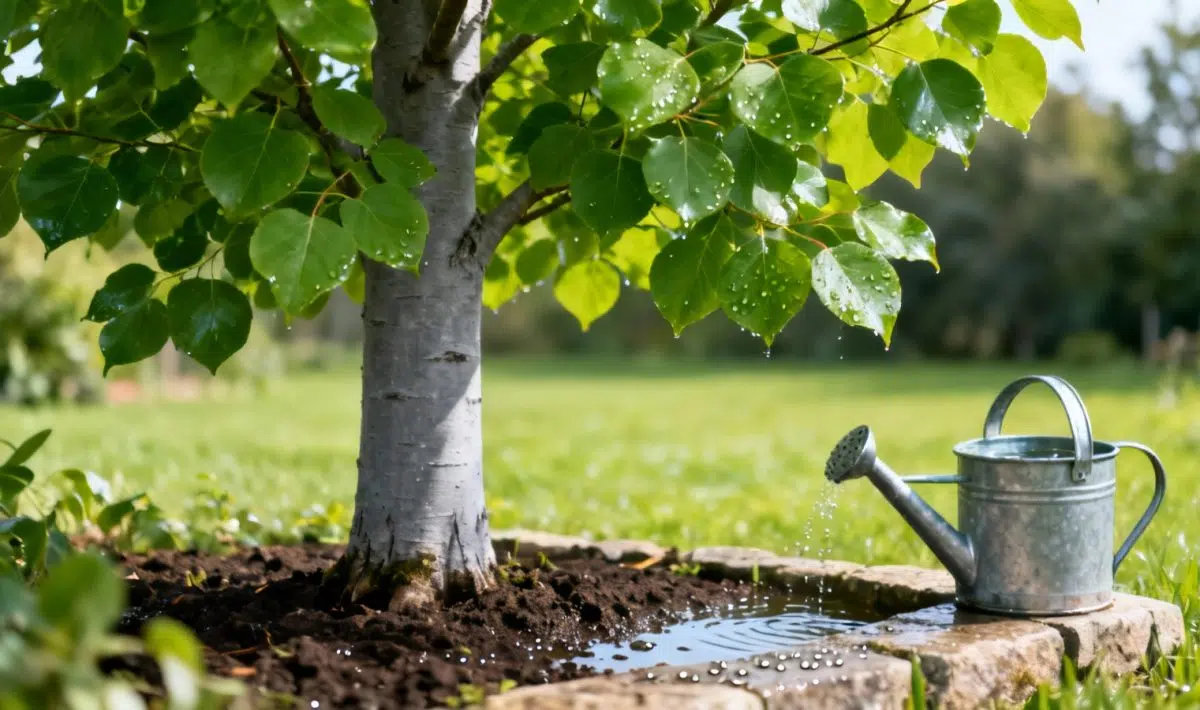
Understanding your American basswood watering needs
When it comes to caring for your American basswood tree, getting the watering schedule right can make all the difference between a thriving specimen and a struggling one. These majestic native trees have specific moisture requirements that change throughout the seasons, and understanding these patterns will help you provide the best care possible.
How often should you water your American basswood depends on several key factors including soil conditions, climate, and the tree’s maturity level. Generally speaking, young trees require more frequent attention than established specimens, but both need consistent moisture to perform their best.
Seasonal watering schedules for optimal growth
During spring and summer months, when your basswood is actively growing, aim for watering twice per week. This frequency provides the steady moisture these trees crave during their peak growing season. However, you’ll want to adjust this schedule based on rainfall and soil conditions in your area.
As autumn approaches, gradually reduce your watering frequency to once per week or even less, depending on natural precipitation. This adjustment helps prepare the tree for winter dormancy while preventing root rot that can occur with excessive moisture during cooler months. Just as gardeners learn different techniques for various plants, understanding that caring for lucky bamboo plants requires different schedules can help you appreciate the importance of species-specific care.
Soil and environmental factors that matter
American basswood trees naturally prefer moist, well-draining soils with good organic content. In their native habitat, these trees thrive in areas receiving 10 to 15 inches of precipitation during the growing season. This preference for consistent moisture makes them excellent choices for gardens with naturally moist conditions.
Temperature plays a crucial role in determining water needs. During hot summer days, soil moisture evaporates more quickly, potentially requiring additional watering sessions. Conversely, cool, cloudy periods may extend the time between waterings.
The quality of your soil significantly impacts water retention. Heavy clay soils hold moisture longer but can become waterlogged, while sandy soils drain quickly but may require more frequent irrigation. Adding organic matter improves both soil types and creates ideal conditions for your basswood’s root system.
Proper watering techniques for best results
When watering your American basswood, focus on deep, thorough soaking rather than frequent shallow watering. This approach encourages deep root development and creates a more drought-tolerant tree over time. Apply water slowly to allow proper soil penetration without runoff.
Consider installing a drip irrigation system for consistent, efficient watering. This method delivers water directly to the root zone while minimizing waste and reducing the risk of fungal diseases that can develop when foliage stays wet for extended periods.
Mulching around your tree base helps retain soil moisture and reduces watering frequency needs. Apply a 2-3 inch layer of organic mulch, keeping it several inches away from the trunk to prevent pest and disease issues. Similar attention to watering schedules applies to other garden plants, and you might find watering tips for African-lilies helpful for understanding different plant moisture requirements.
Recognizing signs of improper watering
Learning to read your tree’s signals helps you adjust your watering routine for optimal health. Underwatered American basswood trees often display wilted or yellowing leaves, particularly during hot weather. The soil around the tree may appear cracked or pull away from the base.
Overwatering symptoms include yellowing leaves that feel soft or mushy, fungal growth around the base, and a general decline in tree vigor. Root rot, which can be fatal, often develops when soil remains consistently waterlogged.
Regular soil moisture checks help prevent both scenarios. Insert a long screwdriver or soil probe 6-8 inches into the ground near your tree. If it comes out dry or encounters hard, compacted soil, your basswood likely needs water.
Adapting care throughout the tree’s life
Young American basswood trees require more attentive watering than mature specimens. Newly planted trees need consistent moisture for the first two growing seasons while their root systems establish. During this period, check soil moisture twice weekly and water when the top 2-3 inches feel dry.
Established trees, typically those planted for three or more years, develop extensive root systems that can access groundwater more effectively. These mature trees often require supplemental watering only during extended dry periods or drought conditions.
Different plants in your garden will have varying needs, much like Japanese cherry watering guidelines differ from basswood requirements. Understanding these differences helps create a more successful landscape overall.
Additional care considerations
While focusing on proper watering schedules, don’t forget other factors that influence your American basswood’s health. Adequate nutrition supports the tree’s ability to utilize water efficiently, so consider annual soil testing and appropriate fertilization.
Pruning dead or damaged branches improves air circulation and reduces stress on the tree’s water transport system. However, avoid heavy pruning during dry periods when the tree is already working hard to maintain adequate moisture levels.
Weather monitoring helps you make informed watering decisions. Install a rain gauge to track natural precipitation and adjust your irrigation accordingly. Many gardeners find that understanding moisture needs for various plants, including proper care for ponytail palms, helps them become more intuitive about plant care in general.
Creating a sustainable watering routine
Developing a consistent yet flexible approach to watering your American basswood ensures long-term success. Start with the recommended twice-weekly schedule during growing season, but remain observant and ready to adjust based on environmental conditions and your tree’s response.
Keep detailed records of your watering schedule, rainfall amounts, and any changes in tree appearance. This information becomes invaluable for fine-tuning your approach and identifying patterns that work best in your specific location.
Remember that successful tree care often involves understanding how different species respond to various conditions. For instance, optimal watering for common mullein demonstrates how diverse plant families require adapted care approaches, reinforcing the importance of species-specific knowledge.
With proper attention to watering frequency and technique, your American basswood will develop into a strong, healthy specimen that provides years of beauty and environmental benefits in your landscape. The key lies in consistency, observation, and willingness to adapt your approach as conditions change throughout the seasons.

Allan is a lifelong gardening enthusiast who still gets excited when the first seedlings pop up in spring. With a deep love for nature and a hands-in-the-soil approach, he shares practical tips, plant discoveries, and clever tricks picked up over years of digging, planting, and observing. Whether you’re a new gardener or have a shed full of tools, Allan writes like a neighbor who’s always happy to swap cuttings and stories over the fence.
You can find more about Allan’s work on Malt or connect with him on LinkedIn.


