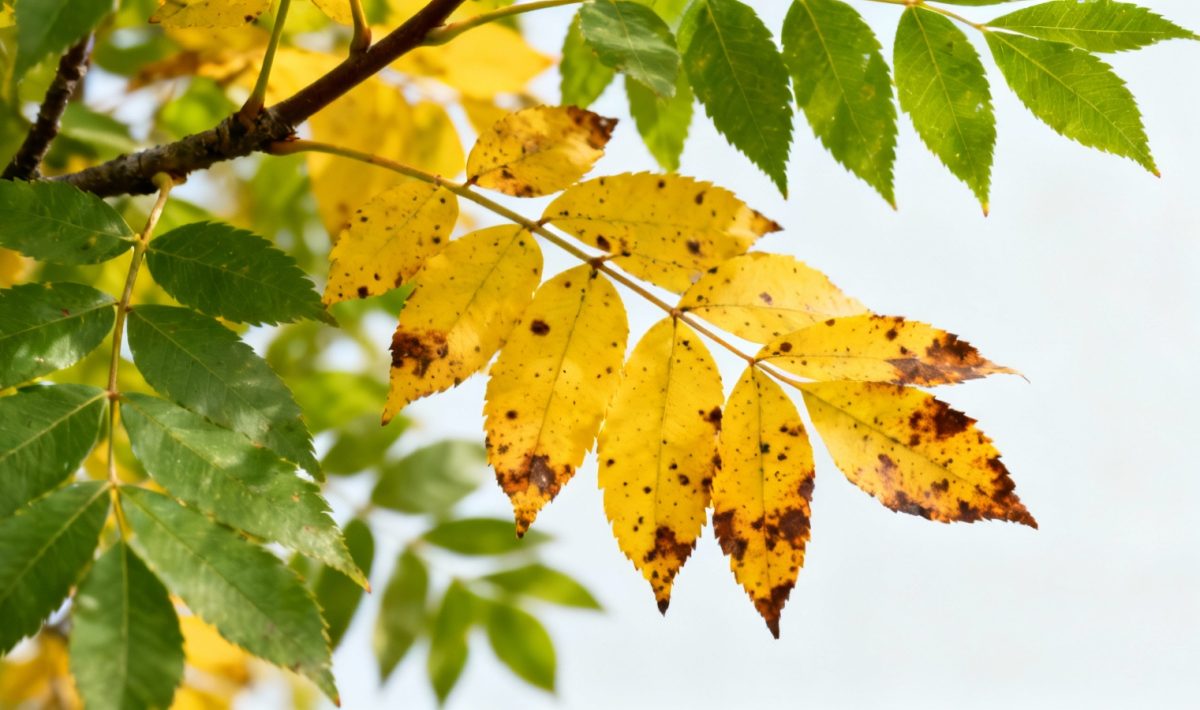
Why are my european ash leaves turning yellow: causes and solutions
If you’ve noticed your European ash tree developing yellow leaves, you’re not alone. This common concern affects many gardeners and tree enthusiasts, but understanding the underlying causes can help you restore your tree’s vibrant green foliage. European ash trees are generally hardy species, but they can face various challenges that manifest as yellowing leaves.
Understanding European ash trees and their leaf characteristics
European ash trees (Fraxinus excelsior) are magnificent specimens that can grow quite tall with distinctive compound leaves. These trees naturally have bright green leaves during their growing season, and any deviation from this healthy color often signals an underlying issue. The leaves of young ash trees are particularly susceptible to environmental stress, making them excellent indicators of the tree’s overall health.
Different species of ash trees may show varying patterns of leaf discoloration, but they all share similar fundamental needs for water, nutrients, and proper growing conditions. When these needs aren’t met, the leaves often turn yellow as the tree redirects its energy to survive.
✅ Quick Checklist
Is the soil too wet or too dry?
Is the plant getting 6+ hours of sunlight daily?
Have you fertilized in the last 2 months?
Are there visible pests under the leaves?
Does the pot have adequate drainage?
🔥 FREE
📱
Diagnose your plant in one click!
AI instant diagnosis • Personalized solutions • 50,000+ species
Common causes of yellow leaves in European ash trees
Water-related problems
One of the most frequent causes of yellowing leaves is improper watering. European ash trees can suffer from both overwatering and underwatering, with each condition causing distinct symptoms. When there’s too much water, the roots can’t breathe properly, leading to root rot and subsequent yellowing of leaves. Conversely, drought stress forces the tree to conserve water by dropping or yellowing its leaves.
You can identify water stress by examining the soil around your tree. If it’s consistently soggy or bone dry, you’ve likely found your culprit. Well-draining soil is essential for ash trees, as they prefer moist but not waterlogged conditions.
Nutrient deficiencies
Ash trees require specific nutrients to maintain their green foliage, with nitrogen and iron being particularly important. When these nutrients are lacking in the soil, the leaves often turn yellow as the tree struggles to produce sufficient chlorophyll. This is similar to issues you might see in other plant species, such as causes of yellow honeysuckle leaves, where nutrient imbalances create comparable symptoms.
Iron deficiency, also known as chlorosis, typically causes yellowing between leaf veins while the veins themselves remain green. Nitrogen deficiency usually results in overall yellowing that starts with older leaves and progresses upward through the tree.
Diseases and pest infestations
Various diseases and pests can attack ash trees, causing their leaves to turn yellow. Fungal infections are particularly common, especially in humid conditions or when trees are stressed. These pathogens can interfere with the tree’s ability to transport nutrients and water, resulting in yellowing foliage.
Insects such as aphids, scale insects, and borers can also cause yellowing leaves by feeding on the tree’s sap or damaging its vascular system. Regular inspection of your tree can help you identify these problems early, before they cause significant damage.
Why are my european ash leaves turning yellow: effective solutions
Improving water management
Proper watering is crucial for maintaining healthy ash trees. Water deeply but less frequently, allowing the soil to dry slightly between waterings. For mature trees, this typically means watering once or twice per week during dry periods. Young trees may need more frequent watering until their root systems are well established.
Installing drainage systems or amending heavy clay soils with organic matter can help prevent waterlogging. Similarly, applying mulch around the tree base helps retain moisture during dry spells while preventing soil compaction.
Addressing nutrient deficiencies
A soil test can reveal which nutrients your ash tree needs most. Once you know what’s lacking, you can apply appropriate fertilizers or soil amendments. For nitrogen deficiency, use a balanced fertilizer with a higher nitrogen content. Iron deficiency can be addressed with chelated iron supplements or by adjusting soil pH to improve iron availability.
Organic compost and well-aged manure can also provide slow-release nutrients while improving soil structure. These amendments benefit the entire root zone and support long-term tree health.
✅ Quick Checklist
Is the soil too wet or too dry?
Is the plant getting 6+ hours of sunlight daily?
Have you fertilized in the last 2 months?
Are there visible pests under the leaves?
Does the pot have adequate drainage?
🔥 FREE
📱
Diagnose your plant in one click!
AI instant diagnosis • Personalized solutions • 50,000+ species
Prevention is often the best approach to managing tree diseases and pests. Maintaining good air circulation around your ash tree by pruning competing vegetation can help prevent fungal infections. Regular inspection allows you to catch problems early when they’re easier to treat.
For specific pest problems, consider using targeted treatments such as horticultural oils or biological controls. This approach is similar to addressing yellowing issues in other plants, such as reasons for yellow snake plant leaves, where identifying the specific cause leads to more effective treatment.
Prevention and long-term care strategies
Creating optimal growing conditions
European ash trees thrive in full sun to partial shade with well-draining soil that retains some moisture. They prefer slightly alkaline to neutral soil pH, typically between 6.0 and 7.5. Ensuring your tree has adequate space to grow without competition from other plants is also important for its long-term health.
Young ash trees benefit from regular watering and protection from extreme weather conditions. As they mature, they become more drought-tolerant but still appreciate consistent moisture during dry periods.
Regular monitoring and maintenance
Establishing a routine inspection schedule helps you catch problems before they become serious. Look for changes in leaf color, unusual growth patterns, or signs of pest activity. Early intervention is often more effective and less costly than treating advanced problems.
Proper pruning techniques can also promote tree health by removing diseased or damaged branches and improving air circulation. However, avoid over-pruning, which can stress the tree and make it more susceptible to problems.
By understanding the various factors that can cause yellowing leaves in European ash trees and implementing appropriate solutions, you can help ensure your tree remains healthy and vibrant for years to come. Remember that trees are long-term investments in your landscape, and consistent care will reward you with beautiful, healthy foliage throughout the growing season.
Allan is a lifelong gardening enthusiast who still gets excited when the first seedlings pop up in spring. With a deep love for nature and a hands-in-the-soil approach, he shares practical tips, plant discoveries, and clever tricks picked up over years of digging, planting, and observing. Whether you’re a new gardener or have a shed full of tools, Allan writes like a neighbor who’s always happy to swap cuttings and stories over the fence.
You can find more about Allan’s work on Malt or connect with him on LinkedIn.