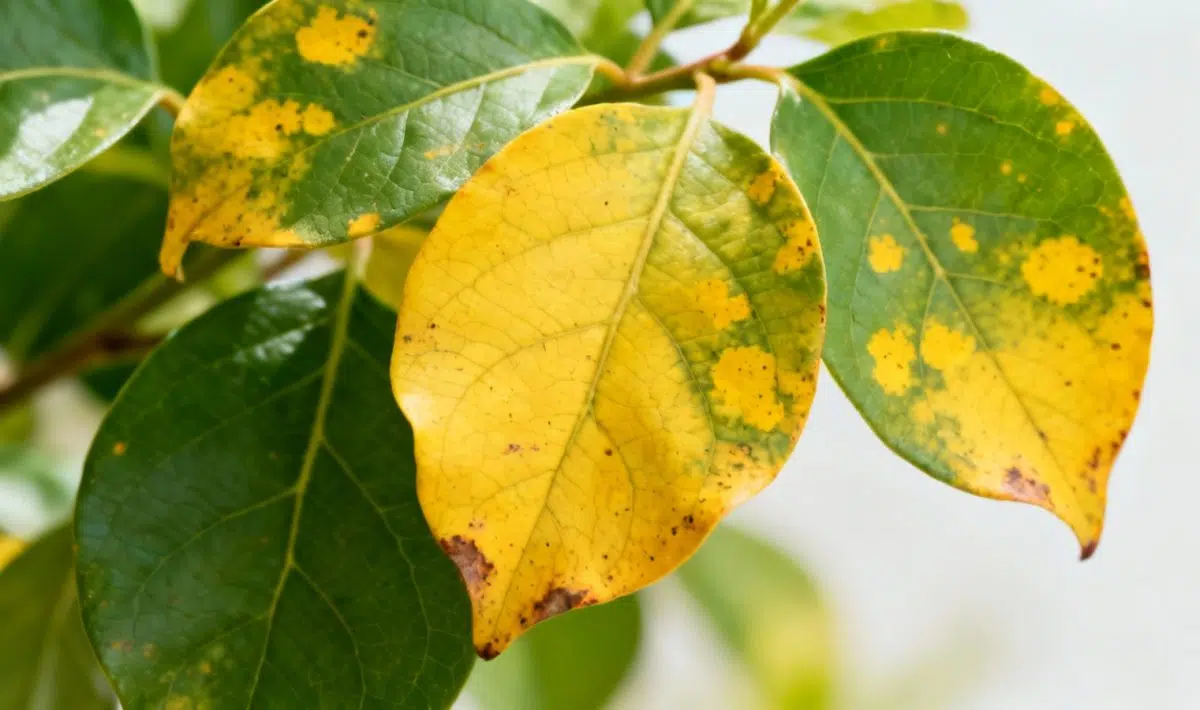
Why are my butter-and-eggs leaves turning yellow? Common causes and solutions
Nothing feels more disheartening than watching your beautiful butter-and-eggs plant suddenly develop yellow leaves. You’ve been caring for it diligently, but those vibrant green leaves are now losing their luster. Don’t worry – yellowing leaves on butter-and-eggs plants are more common than you might think, and with the right approach, you can restore your plant’s health.
Understanding why your butter-and-eggs leaves are turning yellow is the first step toward solving this frustrating problem. Most gardeners face this issue at some point, and the good news is that it’s usually fixable once you identify the underlying cause.
Understanding the yellowing phenomenon in butter-and-eggs plants
Yellow leaves on your butter-and-eggs plant are essentially your plant’s way of communicating distress. This natural response occurs when something disrupts the plant’s normal processes, causing chlorophyll to break down and reveal the yellow pigments underneath.
The transformation from green to yellow doesn’t happen overnight. You’ll notice it starting with older leaves first, gradually spreading if the underlying issue remains unaddressed. This pattern can actually help you diagnose what’s going wrong with your plant.
Several factors can trigger this yellowing process, from simple watering mistakes to more complex nutrient deficiencies. The key is observing other symptoms alongside the color change to pinpoint the exact cause.
✅ Quick Checklist
Is the soil too wet or too dry?
Is the plant getting 6+ hours of sunlight daily?
Have you fertilized in the last 2 months?
Are there visible pests under the leaves?
Does the pot have adequate drainage?
🔥 FREE
📱
Diagnose your plant in one click!
AI instant diagnosis • Personalized solutions • 50,000+ species
Inconsistent watering stands as the number one culprit behind yellowing leaves. Your butter-and-eggs plant needs consistent moisture, but not waterlogged conditions. When you water too frequently, the roots can’t access oxygen properly, leading to root rot and subsequent leaf yellowing.
On the flip side, underwatering stresses your plant just as much. The leaves will turn yellow from the bottom up as the plant conserves water for its most vital parts. You’ll want to check the soil moisture about two inches deep to determine if watering is the issue.
Nutrient deficiencies
Nitrogen deficiency commonly causes yellowing in butter-and-eggs plants, starting with the older leaves at the base. Your plant needs this essential nutrient to maintain its vibrant green color and healthy growth. Without adequate nitrogen, the plant will cannibalize nutrients from older leaves to support new growth.
Iron deficiency presents differently – you’ll see yellowing between the leaf veins while the veins themselves remain green. This creates a distinctive pattern that’s easy to identify once you know what to look for.
Light and environmental stress
Butter-and-eggs plants thrive in full sun conditions, needing at least six hours of direct sunlight daily. When placed in too much shade, the leaves gradually lose their green color as the plant struggles to photosynthesize effectively.
Temperature fluctuations can also trigger yellowing, especially sudden changes or exposure to frost. Your plant prefers stable conditions and may respond to environmental stress by dropping its older leaves first.
Fixing your yellowing butter-and-eggs plant
Adjusting your watering routine
Start by evaluating your current watering schedule and soil drainage. The soil should feel slightly moist but never soggy. During growing season, water deeply when the top inch of soil feels dry to the touch.
Improve drainage if water pools on the surface or if the soil feels heavy and waterlogged. You can add coarse sand or perlite to heavy clay soils to help water move through more freely.
Feed your butter-and-eggs plant with a balanced, slow-release fertilizer in early spring. Look for a formula with equal parts nitrogen, phosphorus, and potassium, such as a 10-10-10 blend.
For quick results with nitrogen deficiency, apply a liquid fertilizer every two weeks during the growing season. However, avoid over-fertilizing, which can cause more harm than good by burning the roots or promoting excessive foliage growth.
Address iron deficiency with chelated iron supplements or by adjusting soil pH to improve iron availability. Most plants absorb iron best when soil pH stays between 6.0 and 7.0.
Optimizing growing conditions
Relocate your plant to a sunnier location if it’s currently in partial shade. Butter-and-eggs plants perform best with morning sun and some afternoon protection in extremely hot climates.
Protect your plant from harsh winds and temperature extremes by choosing a sheltered location or using row covers during cold snaps. Consistent environmental conditions help prevent stress-related yellowing.
Prevention strategies for healthy butter-and-eggs plants
Establishing a care routine
Create a consistent care schedule that includes regular watering checks, monthly fertilizing during growing season, and weekly inspections for early problem detection. Your butter-and-eggs plant will thrive with predictable care rather than sporadic attention.
Keep a simple garden journal to track when you water, fertilize, and notice any changes in your plant’s appearance. This record will help you identify patterns and adjust your care routine accordingly.
Soil preparation and maintenance
Prepare your planting area with well-draining soil enriched with organic matter. Mix in compost or aged manure before planting to provide slow-release nutrients and improve soil structure.
Test your soil pH annually and adjust as needed to maintain the optimal range for nutrient absorption. Most garden centers sell inexpensive pH test kits that give reliable results for home gardeners.
Monitoring and early intervention
Check your butter-and-eggs plant weekly for any signs of stress or disease. Early detection allows for quicker intervention and better recovery outcomes. Look for changes in leaf color, texture, or overall plant vigor.
Remove any yellowed leaves promptly to prevent potential disease spread and redirect the plant’s energy toward healthy growth. Use clean, sharp pruning shears to make clean cuts without damaging surrounding tissue.
With proper care and attention, your butter-and-eggs plant can recover from yellowing leaves and return to its natural beauty. Remember that patience is key – plants need time to respond to changes in their care routine, so give your adjustments a few weeks to show results.
Allan is a lifelong gardening enthusiast who still gets excited when the first seedlings pop up in spring. With a deep love for nature and a hands-in-the-soil approach, he shares practical tips, plant discoveries, and clever tricks picked up over years of digging, planting, and observing. Whether you’re a new gardener or have a shed full of tools, Allan writes like a neighbor who’s always happy to swap cuttings and stories over the fence.
You can find more about Allan’s work on Malt or connect with him on LinkedIn.