
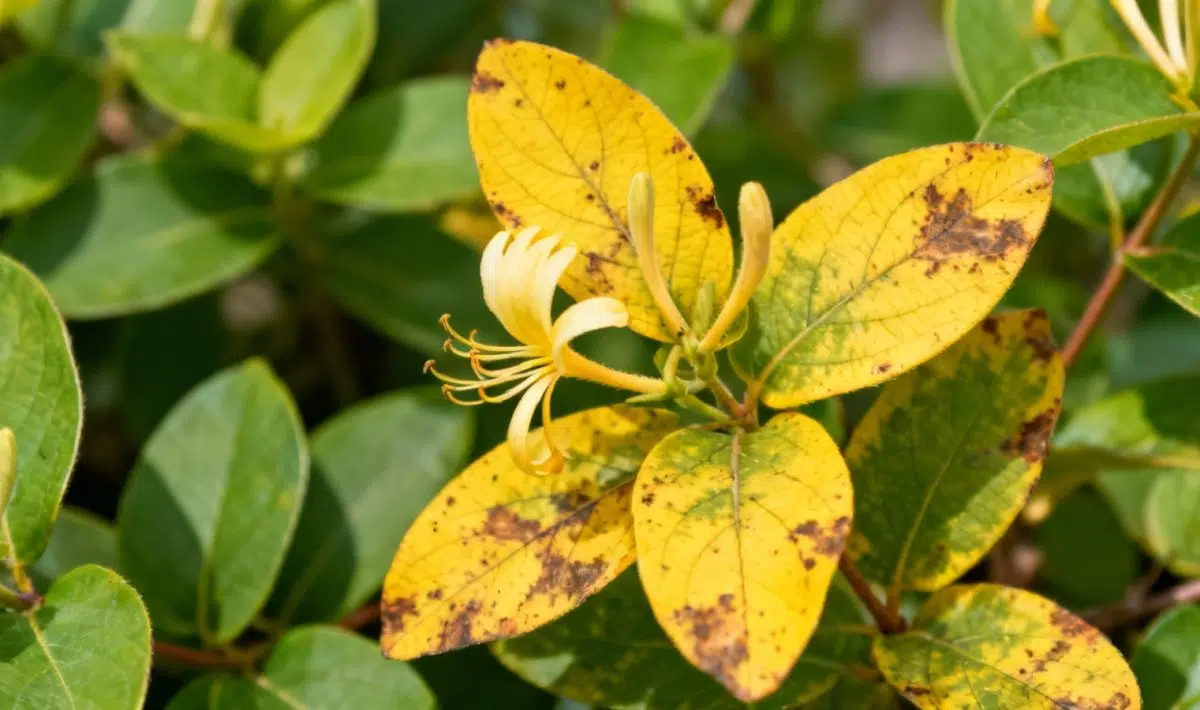
Nothing quite breaks a gardener’s heart like seeing their beloved Japanese honeysuckle’s vibrant green leaves slowly turning yellow. This common issue can leave you feeling frustrated and worried about your plant’s health. However, understanding the underlying causes of this yellowing can help you restore your honeysuckle to its former glory.
Japanese honeysuckle is generally a hardy vine that brings beauty and fragrance to any garden space. When leaves begin to yellow, it’s usually your plant’s way of signaling that something in its environment needs attention. Let’s explore the most common reasons behind this issue and discover practical solutions to get your honeysuckle thriving again.
Understanding the yellowing phenomenon
Leaf yellowing in Japanese honeysuckle typically occurs when the plant experiences stress from environmental factors. This natural response helps the plant conserve energy by redirecting nutrients from older leaves to newer growth. Think of it as your plant’s way of prioritizing its survival during challenging conditions.
The process often begins with the oldest leaves at the base of the plant, gradually working its way up toward newer growth. This pattern can help you identify whether the yellowing is part of natural aging or indicates a more serious problem requiring immediate attention.
✅ Quick Checklist
- Is the soil too wet or too dry?
- Is the plant getting 6+ hours of sunlight daily?
- Have you fertilized in the last 2 months?
- Are there visible pests under the leaves?
- Does the pot have adequate drainage?
Diagnose your plant in one click!
AI instant diagnosis • Personalized solutions • 50,000+ species
Common causes of yellowing leaves
Watering issues
Both overwatering and underwatering can cause yellow leaves in Japanese honeysuckle. When soil becomes waterlogged, roots can’t access the oxygen they need, leading to root rot and subsequent yellowing. Conversely, insufficient water prevents the plant from transporting nutrients effectively, causing leaves to yellow and drop.
To determine if watering is the culprit, check the soil moisture about two inches deep. The soil should feel slightly moist but not soggy. During spring and summer growing seasons, honeysuckle typically needs deep watering once or twice weekly, depending on your climate and soil drainage.
Nutrient deficiencies
Nitrogen deficiency is one of the most common causes of yellowing in honeysuckle plants. When plants lack adequate nitrogen, they begin moving this essential nutrient from older leaves to support new growth, causing the older foliage to yellow and eventually drop off.
Iron deficiency can also cause yellowing, particularly in the newer leaves, where you’ll notice yellow leaves with green veins. This condition, called chlorosis, often occurs in alkaline soils where iron becomes less available to plant roots.
Sun exposure problems
Japanese honeysuckle prefers partial to full sun exposure, needing at least six hours of direct sunlight daily for optimal health. When planted in too much shade, the plant may struggle to photosynthesize efficiently, leading to weak growth and yellowing leaves.
However, excessive heat and intense afternoon sun in extremely hot climates can also stress the plant, causing leaf scorch that appears as yellowing followed by browning around leaf edges. Finding the right balance of sun exposure is crucial for maintaining healthy foliage.
Effective solutions and treatments
Adjusting your watering routine
Establish a consistent watering schedule based on your local climate and season. During spring when new growth emerges, increase watering frequency while monitoring soil moisture levels. In autumn and winter, reduce watering as the plant’s growth slows down.
Install drainage improvements if your soil retains too much water. Adding organic matter like compost can improve both drainage in heavy soils and water retention in sandy soils, creating the ideal growing conditions for your honeysuckle.
Similar yellowing issues affect other plants in your garden collection, such as pomegranate leaf yellowing solutions , which often share common underlying causes with honeysuckle problems.
Providing proper nutrition
Apply a balanced, slow-release fertilizer in early spring to support healthy growth throughout the growing season. Look for a fertilizer with equal parts nitrogen, phosphorus, and potassium, such as a 10-10-10 formulation.
For iron deficiency, apply an iron chelate supplement according to package directions. These products make iron more readily available to plants, even in alkaline soil conditions that typically lock up this essential nutrient.
Optimizing growing conditions
If your honeysuckle is planted in too much shade, consider pruning surrounding vegetation to increase light exposure. Alternatively, you might need to transplant the vine to a sunnier location in your parc or garden space.
For plants suffering from excessive sun exposure, provide afternoon shade using shade cloth or by planting taller companions nearby. This protection is especially important during the hottest summer months.
✅ Quick Checklist
- Is the soil too wet or too dry?
- Is the plant getting 6+ hours of sunlight daily?
- Have you fertilized in the last 2 months?
- Are there visible pests under the leaves?
- Does the pot have adequate drainage?
Diagnose your plant in one click!
AI instant diagnosis • Personalized solutions • 50,000+ species
Prevention strategies for healthy plants
Establishing proper planting conditions
When selecting a location for your Japanese honeysuckle, choose a spot that receives morning sun with some afternoon protection. This positioning provides adequate light while protecting the plant from the harsh midday heat that can stress foliage.
Prepare the soil thoroughly before planting by incorporating organic matter and ensuring good drainage. Well-draining soil prevents many of the water-related issues that lead to yellowing leaves, creating a foundation for long-term plant health.
Regular maintenance practices
Develop a seasonal care routine that includes regular inspection of your plants. During your weekly garden visits, check for early signs of yellowing, pest problems, or water stress that could affect your entire plant collection throughout the growing season.
Pruning diseased or yellowing foliage promptly prevents problems from spreading and encourages healthy new growth. This practice is particularly important during the spring growing season when plants are most active.
Many herbs in your garden might experience similar yellowing issues, and addressing yellowing peppermint leaves often involves applying similar diagnostic and treatment approaches.
When to seek additional help
If yellowing persists despite addressing watering, nutrition, and sun exposure issues, consider consulting with local gardening experts or your agricultural extension office. Sometimes, underlying soil problems or specific regional pest issues require professional diagnosis and treatment.
Severe yellowing accompanied by wilting, unusual spotting, or rapid leaf drop might indicate disease problems that need immediate attention. In these cases, prompt professional intervention can save your plant and prevent problems from spreading to other garden plants.
Remember that restoring a stressed Japanese honeysuckle to full health often takes several weeks to months, depending on the severity of the underlying problem. With patience and consistent care, your honeysuckle can return to producing the lush, green foliage and fragrant flowers that make this vine such a treasured addition to any garden space.

Allan is a lifelong gardening enthusiast who still gets excited when the first seedlings pop up in spring. With a deep love for nature and a hands-in-the-soil approach, he shares practical tips, plant discoveries, and clever tricks picked up over years of digging, planting, and observing. Whether you’re a new gardener or have a shed full of tools, Allan writes like a neighbor who’s always happy to swap cuttings and stories over the fence.
You can find more about Allan’s work on Malt or connect with him on LinkedIn.


