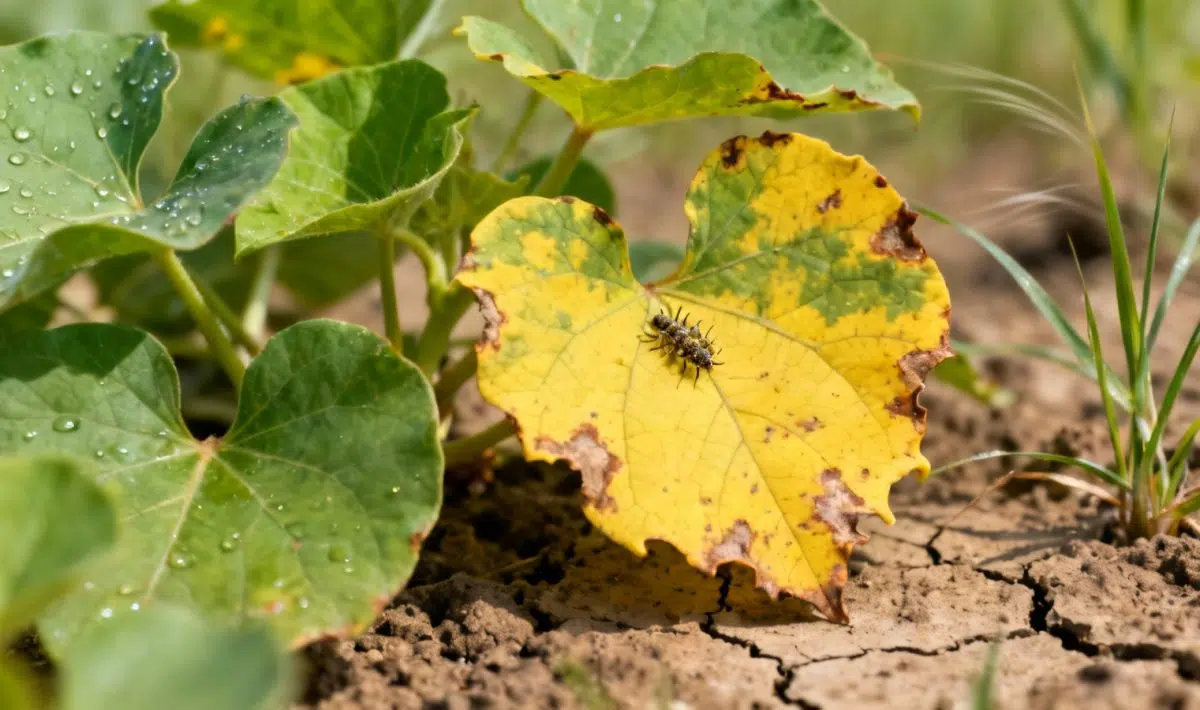
Why are my field bindweed leaves turning yellow – causes and solutions
Field bindweed yellowing leaves can be quite concerning for gardeners, but understanding the underlying causes will help you address this issue effectively. This common problem typically stems from environmental stress, soil conditions, or care-related factors that are often easy to correct once identified.
When you notice your field bindweed’s vibrant green foliage starting to turn yellow, it’s usually your plant’s way of signaling that something isn’t quite right with its growing conditions. However, don’t panic – yellowing leaves are often reversible with the proper approach and timing.
The most frequent reason for yellow leaves on field bindweed relates to watering issues. Both overwatering and underwatering can stress the plant, causing the leaves to lose their healthy green color. Overwatered plants often develop yellow leaves from the bottom up, while underwatered specimens may show yellowing throughout the entire plant.
Nutrient deficiencies also play a significant role in leaf discoloration. Field bindweed requires adequate nitrogen, iron, and magnesium to maintain its lush appearance. When these nutrients are lacking, the plant redirects resources from older leaves to new growth, resulting in yellowing of the mature foliage.
✅ Quick Checklist
Is the soil too wet or too dry?
Is the plant getting 6+ hours of sunlight daily?
Have you fertilized in the last 2 months?
Are there visible pests under the leaves?
Does the pot have adequate drainage?
🔥 FREE
📱
Diagnose your plant in one click!
AI instant diagnosis • Personalized solutions • 50,000+ species
Light exposure plays a crucial role in your field bindweed’s health. While this plant can tolerate various light conditions, insufficient sunlight may cause the lower leaves to turn yellow and drop. Similarly, sudden changes in temperature or exposure to harsh weather conditions can trigger yellowing as a stress response.
Poor soil drainage is another major culprit behind yellowing leaves. Field bindweed thrives in well-draining soil, and when roots sit in waterlogged conditions for extended periods, they become susceptible to root rot and nutrient uptake problems. This often manifests as yellowing leaves that may eventually brown and fall off.
Soil and nutrition issues
Soil pH imbalances can significantly impact your plant’s ability to absorb nutrients effectively. Field bindweed prefers slightly acidic to neutral soil (pH 6.0-7.0), and when the soil becomes too alkaline or acidic, nutrient lockout occurs, leading to deficiency symptoms like yellowing leaves.
Just as with other plants that experience similar issues, such as the reasons for yellowing pomegranate leaves, mineral deficiencies often show up first in the older foliage. Iron deficiency, in particular, causes distinctive yellowing between leaf veins while the veins themselves remain green, a condition known as chlorosis.
Identifying the specific problem
To determine the exact cause of your field bindweed’s yellowing leaves, start by examining the pattern of discoloration. If yellowing begins with the oldest, bottom leaves and progresses upward, you’re likely dealing with a natural aging process or nutrient deficiency. However, if newer leaves are affected first, environmental stress or disease may be the culprit.
Check the soil moisture level by inserting your finger about two inches into the soil. The soil should feel slightly moist but not soggy or completely dry. Consistently wet soil indicates overwatering, while bone-dry soil suggests your plant needs more frequent watering.
Testing your soil conditions
A simple soil test can reveal valuable information about pH levels and nutrient availability. You can purchase an inexpensive soil testing kit from most garden centers or send a sample to your local extension office for a more comprehensive analysis.
Pay attention to the drainage around your field bindweed’s planting area. If water pools on the surface after watering or rainfall, you’ll need to improve drainage by amending the soil with organic matter or creating raised planting areas.
Effective solutions for yellowing leaves
Once you’ve identified the underlying cause, implementing the right solution becomes straightforward. For watering-related issues, adjust your irrigation schedule to provide consistent moisture without oversaturating the soil. During hot weather, you may need to water more frequently, while cooler periods require less frequent watering.
If nutrient deficiency is the problem, apply a balanced, slow-release fertilizer according to package directions. For iron deficiency specifically, use an iron chelate fertilizer that your plant can readily absorb. Organic compost worked into the soil can also provide a steady supply of essential nutrients.
✅ Quick Checklist
Is the soil too wet or too dry?
Is the plant getting 6+ hours of sunlight daily?
Have you fertilized in the last 2 months?
Are there visible pests under the leaves?
Does the pot have adequate drainage?
🔥 FREE
📱
Diagnose your plant in one click!
AI instant diagnosis • Personalized solutions • 50,000+ species
For drainage problems, incorporate coarse sand, perlite, or well-aged compost into heavy clay soils to improve water movement. If your field bindweed is growing in containers, ensure pots have adequate drainage holes and use a high-quality potting mix designed for good drainage.
Mulching around the base of your plant can help regulate soil temperature and moisture levels, reducing stress that leads to yellowing leaves. Use organic mulches like shredded bark or compost, applying a 2-3 inch layer while keeping it away from the plant’s stem.
Addressing pH imbalances
If soil testing reveals pH problems, you can adjust the soil chemistry gradually. To lower pH in alkaline soils, add sulfur or organic matter like pine needles. For acidic soils, incorporate lime according to test recommendations, but make changes slowly over several months to avoid shocking your plant.
Similar leaf yellowing patterns occur in many plants, including herbs like those discussed in articles about issues with yellowing peppermint leaves, where environmental factors play a significant role in plant health.
Prevention and long-term care
Preventing future yellowing episodes requires consistent care practices and regular monitoring of your field bindweed’s growing conditions. Establish a watering routine based on seasonal needs and soil moisture levels rather than following a rigid schedule.
Regular fertilization during the growing season helps maintain healthy foliage and prevents nutrient deficiencies. Apply a balanced fertilizer every 4-6 weeks during spring and summer, reducing frequency as growth slows in fall.
Monitoring and maintenance tips
Keep an eye on weather conditions and adjust your care accordingly. During periods of high heat or drought, your plant may need extra attention to prevent stress-related yellowing. Similarly, during wet periods, ensure good air circulation around the plant to prevent fungal issues.
Remove yellowed leaves promptly to prevent disease spread and redirect the plant’s energy toward healthy growth. However, don’t remove too many leaves at once, as this can further stress the plant.
With proper diagnosis and targeted solutions, your field bindweed should recover from yellowing leaves and return to its vigorous, healthy state. Remember that some seasonal yellowing is natural, especially as plants prepare for dormancy, so don’t be alarmed by minor leaf color changes during normal growth cycles.
Allan is a lifelong gardening enthusiast who still gets excited when the first seedlings pop up in spring. With a deep love for nature and a hands-in-the-soil approach, he shares practical tips, plant discoveries, and clever tricks picked up over years of digging, planting, and observing. Whether you’re a new gardener or have a shed full of tools, Allan writes like a neighbor who’s always happy to swap cuttings and stories over the fence.
You can find more about Allan’s work on Malt or connect with him on LinkedIn.