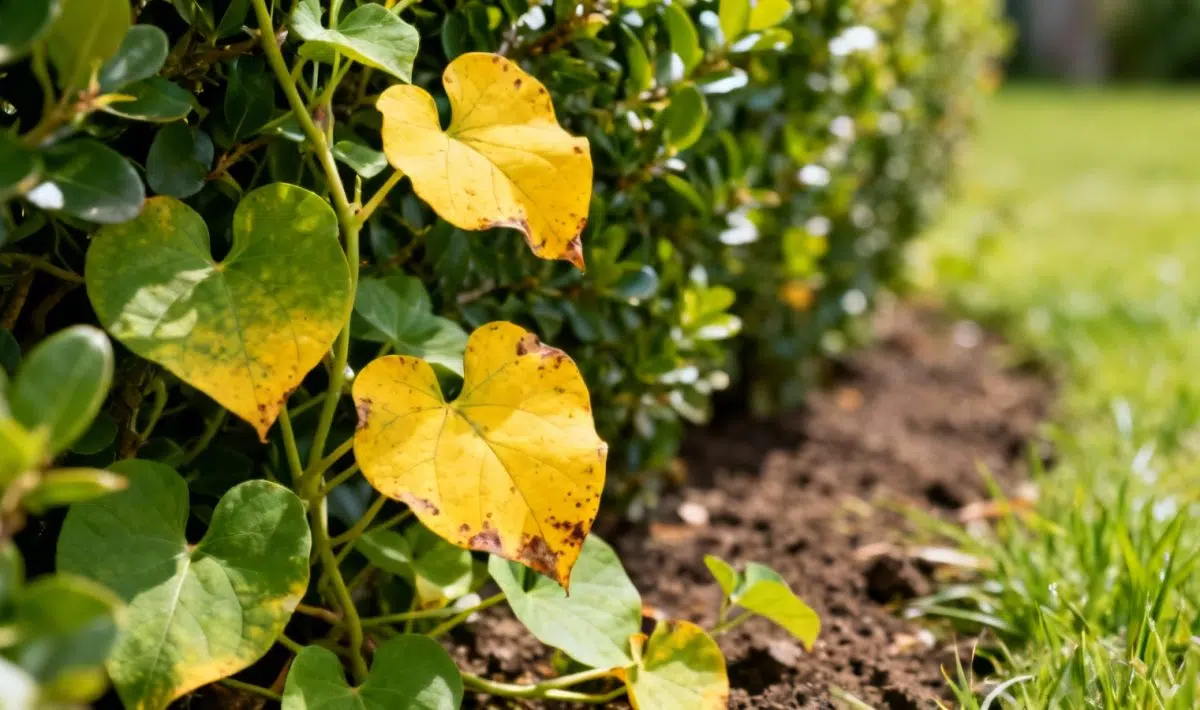
Why are my hedge bindweed leaves turning yellow – causes and solutions
Hedge bindweed can be quite the puzzle when those vibrant green leaves start turning yellow. You’re not alone in wondering what’s happening to this vigorous climbing plant that usually seems unstoppable. The yellowing leaves on your hedge bindweed are often telling you something important about its growing conditions, and with the right knowledge, you can address the issue effectively.
Yellow leaves on hedge bindweed typically indicate stress from environmental factors, nutrient deficiencies, or changes in growing conditions. Understanding these causes will help you restore your plant’s health and prevent future yellowing issues.
When hedge bindweed leaves turn yellow, several factors could be at play. The most common culprit is inconsistent watering practices. This plant thrives with regular moisture but can suffer when the soil becomes waterlogged or too dry. Overwatering prevents proper oxygen flow to the roots, while underwatering stresses the plant and triggers leaf yellowing as it conserves energy.
Nutrient deficiency also plays a significant role in leaf yellowing. Hedge bindweed requires adequate nitrogen for healthy green foliage, and when this essential nutrient is lacking, the older leaves will yellow first as the plant redirects nutrients to newer growth. Poor soil quality or pH imbalances can prevent nutrient uptake even when fertilizers are present.
✅ Quick Checklist
Is the soil too wet or too dry?
Is the plant getting 6+ hours of sunlight daily?
Have you fertilized in the last 2 months?
Are there visible pests under the leaves?
Does the pot have adequate drainage?
🔥 FREE
📱
Diagnose your plant in one click!
AI instant diagnosis • Personalized solutions • 50,000+ species
Light conditions significantly impact hedge bindweed health. While this plant can tolerate various light levels, insufficient sunlight will cause yellowing as the plant struggles to photosynthesize effectively. Similarly, sudden changes in light exposure, such as moving a container plant or seasonal shifts, can trigger stress responses that manifest as yellow leaves.
Temperature fluctuations also contribute to leaf yellowing. Hedge bindweed prefers consistent temperatures and can show stress when exposed to sudden cold snaps or extreme heat. This is particularly noticeable in container-grown plants that are more susceptible to temperature variations than those planted in the ground.
Just like with other climbing plants, environmental stress can affect bindweed species differently. For instance, similar yellowing issues can occur with other varieties, and understanding causes of yellowing field bindweed leaves can provide additional insights for proper plant care across different bindweed species.
Watering and drainage problems
Proper water management is crucial for healthy hedge bindweed. These plants need consistent moisture but must have well-draining soil to prevent root rot. When water sits around the roots for extended periods, they cannot absorb oxygen properly, leading to yellowing leaves and eventual plant decline.
You can test soil drainage by digging a small hole and filling it with water. If water remains after 24 hours, your soil needs improvement. Adding organic matter like compost or aged manure will enhance drainage while retaining appropriate moisture levels. For container plants, ensure pots have adequate drainage holes and use a well-draining potting mix.
Conversely, underwatering stress shows similar symptoms but with additional signs like wilting and dry soil. Check soil moisture regularly by inserting your finger two inches deep – it should feel slightly moist but not soggy. During hot weather, you may need to water more frequently, especially for container-grown plants.
Soil and nutrition issues
Soil quality directly affects hedge bindweed health. These plants prefer slightly alkaline to neutral soil with a pH between 6.0 and 7.5. When soil becomes too acidic or alkaline, nutrient lockout occurs, preventing the plant from absorbing essential elements even when they’re present in the soil.
Nitrogen deficiency is the most common nutritional cause of yellowing leaves. This mobile nutrient moves from older leaves to support new growth when supplies are low, causing the characteristic yellowing pattern that starts with older foliage. A balanced fertilizer applied monthly during the growing season will address this issue effectively.
Other nutrient deficiencies can also cause yellowing. Iron deficiency causes yellowing between leaf veins while keeping veins green, and magnesium deficiency creates yellowing that starts at leaf edges. Regular soil testing helps identify specific deficiencies and guides appropriate fertilization strategies.
Pest and disease considerations
Various pests can cause hedge bindweed leaves to yellow as they feed on plant juices or transmit diseases. Spider mites are particularly problematic in dry conditions, creating fine webbing and stippled yellowing on leaves. Aphids cluster on new growth and can quickly spread throughout the plant, causing yellowing and distortion.
Fungal diseases thrive in humid conditions and poor air circulation. Root rot, caused by overwatering or poorly draining soil, first appears as yellowing lower leaves before progressing upward. Leaf spot diseases create yellow halos around brown spots and can defoliate the plant if left untreated.
Regular inspection helps catch pest and disease issues early. Check the undersides of leaves weekly, and remove any affected foliage immediately. Improving air circulation around the plant and avoiding overhead watering reduces fungal disease risk significantly.
✅ Quick Checklist
Is the soil too wet or too dry?
Is the plant getting 6+ hours of sunlight daily?
Have you fertilized in the last 2 months?
Are there visible pests under the leaves?
Does the pot have adequate drainage?
🔥 FREE
📱
Diagnose your plant in one click!
AI instant diagnosis • Personalized solutions • 50,000+ species
Addressing yellowing hedge bindweed leaves requires a systematic approach. Start by evaluating watering practices – ensure soil stays consistently moist but never waterlogged. Adjust watering frequency based on weather conditions and season, checking soil moisture regularly rather than following a rigid schedule.
Improve soil conditions by adding organic matter annually. Compost, aged manure, or leaf mold enhance both drainage and water retention while providing slow-release nutrients. For container plants, refresh the top two inches of potting mix each spring with fresh compost.
Many climbing plants face similar challenges, and learning from related species can be valuable. Understanding reasons for yellowing honeysuckle leaves provides insights into common issues that affect vigorous climbing plants and can help you better care for your bindweed.
Long-term plant health strategies
Preventing future yellowing episodes requires consistent plant care and monitoring. Establish a regular fertilization schedule using a balanced fertilizer every four to six weeks during the growing season. Avoid overfertilizing, which can cause rapid growth that’s more susceptible to pest and disease problems.
Pruning plays an important role in maintaining healthy hedge bindweed. Remove yellowing or damaged leaves promptly to prevent disease spread and redirect energy to healthy growth. Thin overcrowded areas to improve air circulation and reduce humidity around the foliage.
Monitor environmental conditions regularly, especially during seasonal transitions. Provide protection from extreme weather when possible, and gradually acclimate plants to new conditions when relocating them. With consistent care and attention to these factors, you can maintain healthy, vibrant hedge bindweed with minimal yellowing issues throughout the growing season.
Allan is a lifelong gardening enthusiast who still gets excited when the first seedlings pop up in spring. With a deep love for nature and a hands-in-the-soil approach, he shares practical tips, plant discoveries, and clever tricks picked up over years of digging, planting, and observing. Whether you’re a new gardener or have a shed full of tools, Allan writes like a neighbor who’s always happy to swap cuttings and stories over the fence.
You can find more about Allan’s work on Malt or connect with him on LinkedIn.