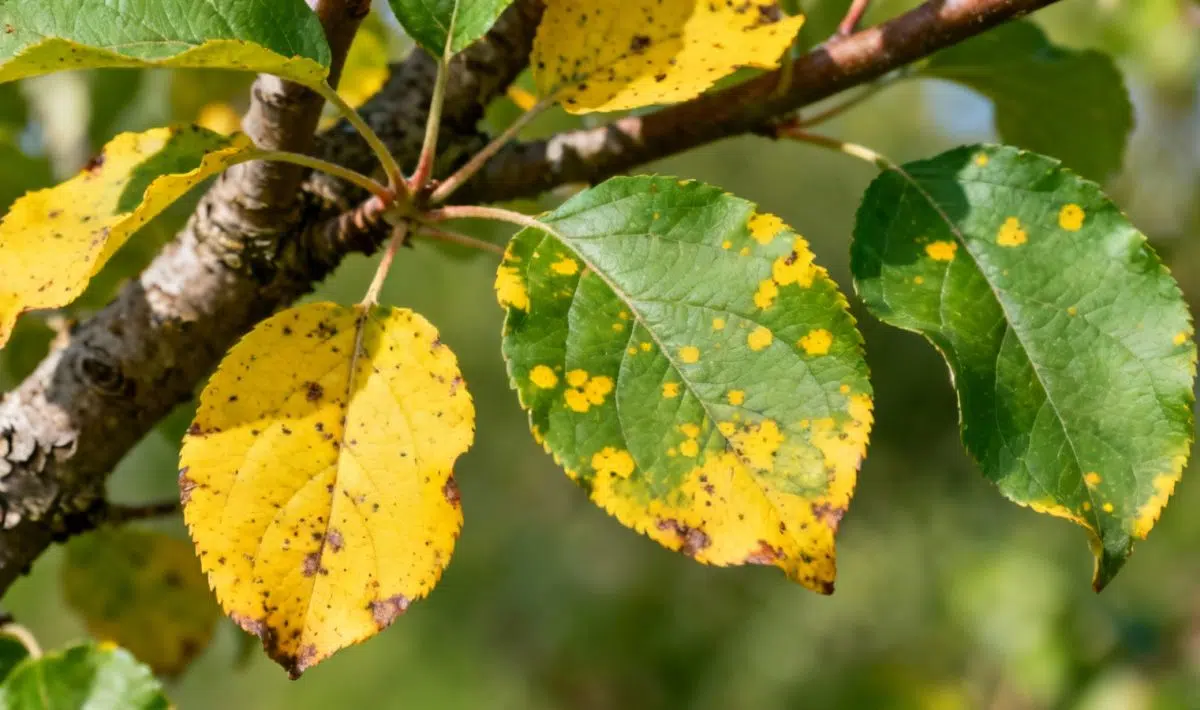
Why are my european crab apple leaves turning yellow – causes and solutions
When you notice your European crab apple leaves turning yellow, it can be quite concerning for any garden enthusiast. This common issue affects many gardeners, but understanding the underlying causes can help you address the problem effectively. From nutrient deficiencies to environmental stress, several factors may contribute to this yellowing phenomenon in your beloved tree.
Understanding the main causes behind yellowing leaves
Yellowing leaves on European crab apples typically indicate that your tree is experiencing some form of stress. The most common culprit is often related to water management issues, which can manifest as either overwatering or underwatering. When roots sit in waterlogged soil, they cannot absorb oxygen properly, leading to yellow foliage that may eventually drop. Conversely, drought stress can also cause leaves to yellow as the tree attempts to conserve moisture.
Nutrient deficiencies represent another significant factor in leaf yellowing. Nitrogen deficiency often causes older leaves to yellow first, starting from the bottom of the tree and working upward. Iron deficiency, known as chlorosis, typically affects younger leaves and creates a distinctive pattern where leaf veins remain green while the surrounding tissue turns yellow. These nutritional imbalances can occur even in fertile soil if the pH level prevents proper nutrient uptake.
✅ Quick Checklist
Is the soil too wet or too dry?
Is the plant getting 6+ hours of sunlight daily?
Have you fertilized in the last 2 months?
Are there visible pests under the leaves?
Does the pot have adequate drainage?
🔥 FREE
📱
Diagnose your plant in one click!
AI instant diagnosis • Personalized solutions • 50,000+ species
Various fungal diseases can cause yellowing in European crab apple leaves, particularly during humid conditions. Apple scab is one of the most common issues, creating dark spots on leaves before they turn yellow and drop prematurely. Powdery mildew appears as a white coating on leaves and can also lead to yellowing as the disease progresses. These fungal problems are more prevalent from April through October when moisture levels are high.
Insect pests can also contribute to leaf yellowing through their feeding activities. Aphids suck plant juices and can cause leaves to curl and yellow, while spider mites create stippled yellow spots that eventually spread across the entire leaf. Scale insects attach to branches and stems, weakening the tree and causing foliage to yellow. Regular inspection of your tree can help identify these pests early, making treatment more effective.
Similar yellowing patterns can occur with other plants in your garden, and understanding these connections helps with overall garden management. For instance, you might notice causes of yellowing honeysuckle leaves affecting nearby vines, which often share similar environmental stressors with your crab apple trees.
Environmental factors influencing leaf health
Temperature extremes can significantly impact your European crab apple’s leaf color. Sudden temperature changes, whether hot or cold, can stress the tree and cause premature yellowing. During summer months like June and July, excessive heat combined with insufficient water can cause leaves to yellow and drop as a protective mechanism. Similarly, late spring frosts in March or February can damage new growth, leading to yellowing of affected foliage.
Soil conditions play a crucial role in leaf health and color. Compacted soil prevents proper root development and water infiltration, which can lead to yellowing leaves. Poor drainage creates anaerobic conditions that are harmful to root health, while overly sandy soil may not retain enough moisture during dry periods. Testing your soil’s pH and drainage capabilities will help you understand what adjustments may be necessary.
Light exposure also affects leaf coloration significantly. While European crab apples are generally tolerant of various light conditions, insufficient sunlight can cause leaves to yellow and become sparse. Conversely, sudden exposure to intense sunlight after being in shade can cause sunscald, which initially appears as yellowing before progressing to brown patches.
Effective solutions for yellowing leaves
Once you’ve identified the likely cause of yellowing, you can implement appropriate solutions. For water-related issues, adjust your irrigation schedule to provide consistent moisture without waterlogging. Deep, infrequent watering encourages healthy root development and helps trees withstand drought stress. Installing proper drainage or amending heavy clay soils with organic matter can resolve waterlogging problems.
Nutrient deficiencies require targeted fertilization approaches. A balanced fertilizer applied in early spring can address general nutrient needs, while specific deficiencies may require targeted treatments. For iron deficiency, applying chelated iron to the soil or as a foliar spray can restore green color to yellowing leaves. Maintaining proper soil pH between 6.0 and 7.0 ensures optimal nutrient availability.
When dealing with diseases and pests, early intervention provides the best results. Fungicidal sprays applied during wet periods can prevent many common diseases, while beneficial insects and organic pest controls can manage harmful insects naturally. Pruning affected branches not only removes diseased tissue but also improves air circulation, reducing humidity around the tree.
✅ Quick Checklist
Is the soil too wet or too dry?
Is the plant getting 6+ hours of sunlight daily?
Have you fertilized in the last 2 months?
Are there visible pests under the leaves?
Does the pot have adequate drainage?
🔥 FREE
📱
Diagnose your plant in one click!
AI instant diagnosis • Personalized solutions • 50,000+ species
Preventing leaf yellowing is often more effective than treating existing problems. Establishing good cultural practices from the beginning sets your European crab apple up for long-term success. Choose an appropriate planting location with well-draining soil and adequate sunlight exposure. Proper spacing between trees ensures good air circulation, which reduces disease pressure and promotes healthy growth.
Regular maintenance practices contribute significantly to tree health. Annual soil testing helps you monitor nutrient levels and pH changes over time. Mulching around the base of your tree helps retain moisture, suppress weeds, and gradually improve soil structure as it decomposes. However, keep mulch several inches away from the trunk to prevent pest and disease issues.
Many other trees in your landscape may experience similar yellowing issues, and understanding these patterns helps with overall garden management. The reasons for yellowing mountain-ash leaves often parallel those affecting crab apples, making comprehensive garden care more efficient.
When to seek professional help
While many cases of yellowing leaves can be resolved with proper care, some situations require professional intervention. If yellowing progresses rapidly despite your best efforts, or if you notice additional symptoms like bark splitting or extensive dieback, consulting an arborist or extension specialist may be necessary. They can provide accurate diagnosis and recommend specific treatments that may not be available to home gardeners.
Persistent yellowing that occurs year after year, particularly when accompanied by reduced flowering or fruit production, suggests more serious underlying issues. Soil testing by professional laboratories can reveal complex nutrient imbalances or soil contamination that requires specialized treatment. In some cases, the location may not be suitable for the tree, and relocation or replacement might be the best long-term solution.
Remember that European crab apples are generally resilient trees that respond well to proper care. With attention to watering, nutrition, and environmental conditions, you can maintain healthy green foliage throughout the growing season. Most yellowing issues resolve quickly once the underlying cause is addressed, allowing you to enjoy your beautiful tree for many years to come.
Allan is a lifelong gardening enthusiast who still gets excited when the first seedlings pop up in spring. With a deep love for nature and a hands-in-the-soil approach, he shares practical tips, plant discoveries, and clever tricks picked up over years of digging, planting, and observing. Whether you’re a new gardener or have a shed full of tools, Allan writes like a neighbor who’s always happy to swap cuttings and stories over the fence.
You can find more about Allan’s work on Malt or connect with him on LinkedIn.