Why are my evergreen rose leaves turning yellow: common causes and solutions
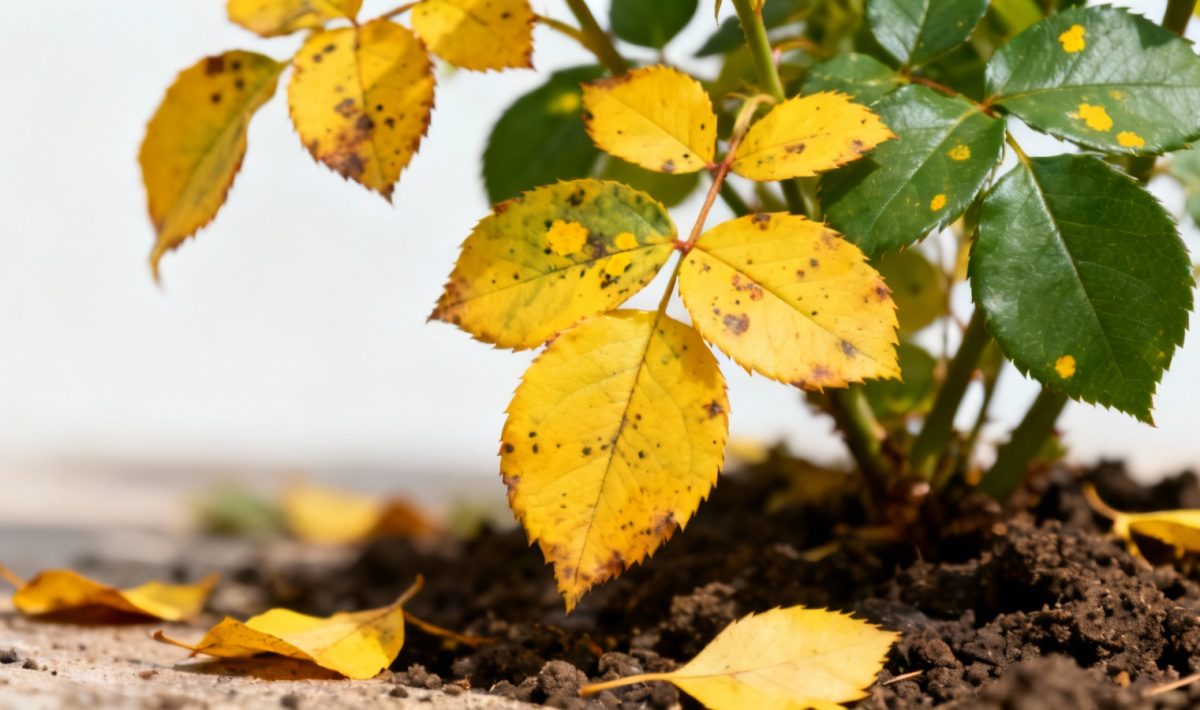
Nothing’s more frustrating than watching your beautiful evergreen roses develop yellow leaves just when you think everything’s going perfectly. Trust me, I’ve been there – staring at those gorgeous blooms while wondering what went wrong with the foliage below. The good news is that yellowing leaves on your rose plants usually signal specific issues that are completely fixable once you know what to look for.
Most of the time, yellow leaves on roses aren’t a death sentence for your plant. They’re simply your rose’s way of telling you something needs attention, whether it’s watering habits, light conditions, or nutrient levels. Let’s dive into the most common culprits and how to get your roses back to their vibrant green glory.
Before we tackle the yellowing issue, it helps to understand what makes roses thrive in the first place. These beautiful plants have specific requirements that, when met, keep them healthy and resilient against most problems.
Light requirements for healthy rose growth
Your roses absolutely need plenty of sunlight to maintain their green foliage. Most rose varieties require at least six hours of direct sunlight daily to photosynthesize properly and maintain healthy leaves. When plants don’t get enough light, they often start shedding older leaves, which turn yellow before dropping off.
If your rose is planted in a spot that’s become shadier over time due to growing trees or new structures, this could be your answer. The plant redirects energy to newer growth, causing lower leaves to yellow and fall away naturally.
Water balance and its impact on leaf health
Getting the watering right is probably the trickiest part of rose care, and it’s often where things go wrong. Too much water can be just as harmful as too little, and both extremes typically show up as yellowing leaves first.
Overwatering is actually more common than drought stress in home gardens. When roots sit in soggy soil, they can’t absorb oxygen properly, leading to root rot and yellowing foliage. On the flip side, drought-stressed roses will also yellow their leaves as they try to conserve moisture for essential functions.
✅ Quick Checklist
Is the soil too wet or too dry?
Is the plant getting 6+ hours of sunlight daily?
Have you fertilized in the last 2 months?
Are there visible pests under the leaves?
Does the pot have adequate drainage?
🔥 FREE
📱
Diagnose your plant in one click!
AI instant diagnosis • Personalized solutions • 50,000+ species
Several fungal diseases love to attack rose foliage, and they almost always start with yellowing leaves before progressing to more serious symptoms. Catching these early makes treatment much more effective.
Black spot disease identification
Black spot is probably the most notorious rose disease, and it’s exactly what it sounds like – dark spots that appear on leaves before they turn yellow and drop. This fungal infection thrives in humid conditions and spreads quickly through water droplets.
The telltale signs are circular black spots with feathery edges, usually starting on lower leaves. Affected leaves yellow around the spots and eventually fall off, working their way up the plant if left untreated. Good air circulation and avoiding overhead watering help prevent this disease.
Powdery mildew and leaf yellowing
Powdery mildew shows up as a white, powdery coating on leaves, stems, and buds. While the white coating is the obvious symptom, infected leaves often yellow and become distorted as the fungus interferes with photosynthesis.
This disease loves warm days and cool nights with high humidity. Unlike black spot, powdery mildew can develop without water on the leaves, making it particularly sneaky in dry climates with high humidity.
Nutritional deficiencies and yellow foliage
Sometimes your rose is trying to tell you it’s hungry, and yellow leaves are often the first cry for help. Different nutrient deficiencies create distinct yellowing patterns that can help you diagnose the problem.
Nitrogen deficiency symptoms
When roses lack nitrogen, older leaves turn yellow first while newer growth remains green. This happens because the plant moves nitrogen from older leaves to support new growth, essentially sacrificing the old to feed the new.
A balanced fertilizer or dose of compost usually solves nitrogen deficiency quickly. However, be careful not to overdo it – too much nitrogen can make plants more susceptible to diseases and reduce flowering.
Iron deficiency and chlorosis
Iron deficiency creates a distinctive yellowing pattern called chlorosis, where leaves turn yellow but the veins remain green. This usually affects newer growth first, unlike nitrogen deficiency.
Iron deficiency often occurs in alkaline soils where iron is present but not available to the plant. Adding organic matter like compost or using an iron chelate fertilizer can help make iron more accessible to your roses.
Environmental stress factors
Sometimes the problem isn’t disease or nutrients – it’s simply environmental stress that’s pushing your rose beyond its comfort zone.
Temperature fluctuations
Sudden temperature changes, especially cold snaps or unusual heat waves, can shock rose plants into dropping leaves. The leaves typically yellow before falling as the plant tries to conserve energy during stressful periods.
While you can’t control the weather, you can help your roses cope better by maintaining consistent moisture levels and avoiding fertilizing during extreme weather periods.
Root bound conditions
Container-grown roses can become root bound, where roots circle around inside the pot with nowhere to go. This restricts the plant’s ability to absorb water and nutrients, leading to yellowing leaves even with proper care.
If your rose has been in the same container for several years, it might be time for repotting into fresh soil and a larger container. Check if roots are growing through drainage holes – that’s usually a clear sign it’s time to upsize.
✅ Quick Checklist
Is the soil too wet or too dry?
Is the plant getting 6+ hours of sunlight daily?
Have you fertilized in the last 2 months?
Are there visible pests under the leaves?
Does the pot have adequate drainage?
🔥 FREE
📱
Diagnose your plant in one click!
AI instant diagnosis • Personalized solutions • 50,000+ species
Once you’ve identified the likely cause, here are the most effective treatments to get your roses back on track.
Adjusting watering practices
The key to proper rose watering is consistency and deep, infrequent watering rather than frequent shallow watering. Water at the base of the plant early in the morning to give leaves time to dry before evening.
Check soil moisture by inserting your finger about two inches deep – if it’s dry at that depth, it’s time to water. For container roses, ensure drainage holes are clear and consider raising pots slightly on blocks to improve airflow underneath.
Fertilizer and soil amendments
A balanced rose fertilizer applied in early spring and again in mid-summer usually provides adequate nutrition for most roses. Look for fertilizers with an NPK ratio around 10-10-10 or 12-12-12.
Adding organic compost annually improves soil structure and provides slow-release nutrients. This is particularly helpful for maintaining consistent soil moisture and feeding beneficial microorganisms that help roses resist diseases.
Disease prevention and treatment
Prevention is always better than treatment when it comes to rose diseases. Ensure good air circulation by proper spacing and pruning, avoid overhead watering, and clean up fallen leaves regularly.
For active infections, fungicidal sprays can be effective, but timing is crucial. Apply treatments at the first sign of disease and follow label instructions carefully. Organic options like neem oil or baking soda solutions work well for minor infections.
Interestingly, yellowing issues aren’t limited to traditional garden roses – problems like causes of yellowing desert rose leaves often share similar underlying causes despite being completely different plant families. Similarly, other climbing plants can face comparable challenges, such as reasons for yellowing honeysuckle leaves which often involve similar environmental stressors.
When to take action and when to wait
Not every yellow leaf requires immediate intervention. Some yellowing is natural, especially on older leaves during seasonal transitions or after flowering periods. However, rapid yellowing, yellowing accompanied by spots or unusual markings, or yellowing that starts from the top of the plant usually indicates a problem that needs attention.
Keep a close eye on the pattern – isolated yellow leaves here and there are usually nothing to worry about, but yellowing that spreads quickly or affects large portions of the plant calls for immediate action. The sooner you address the underlying cause, the easier it is to restore your rose’s health and prevent further damage.
Allan is a lifelong gardening enthusiast who still gets excited when the first seedlings pop up in spring. With a deep love for nature and a hands-in-the-soil approach, he shares practical tips, plant discoveries, and clever tricks picked up over years of digging, planting, and observing. Whether you’re a new gardener or have a shed full of tools, Allan writes like a neighbor who’s always happy to swap cuttings and stories over the fence.
You can find more about Allan’s work on Malt or connect with him on LinkedIn.