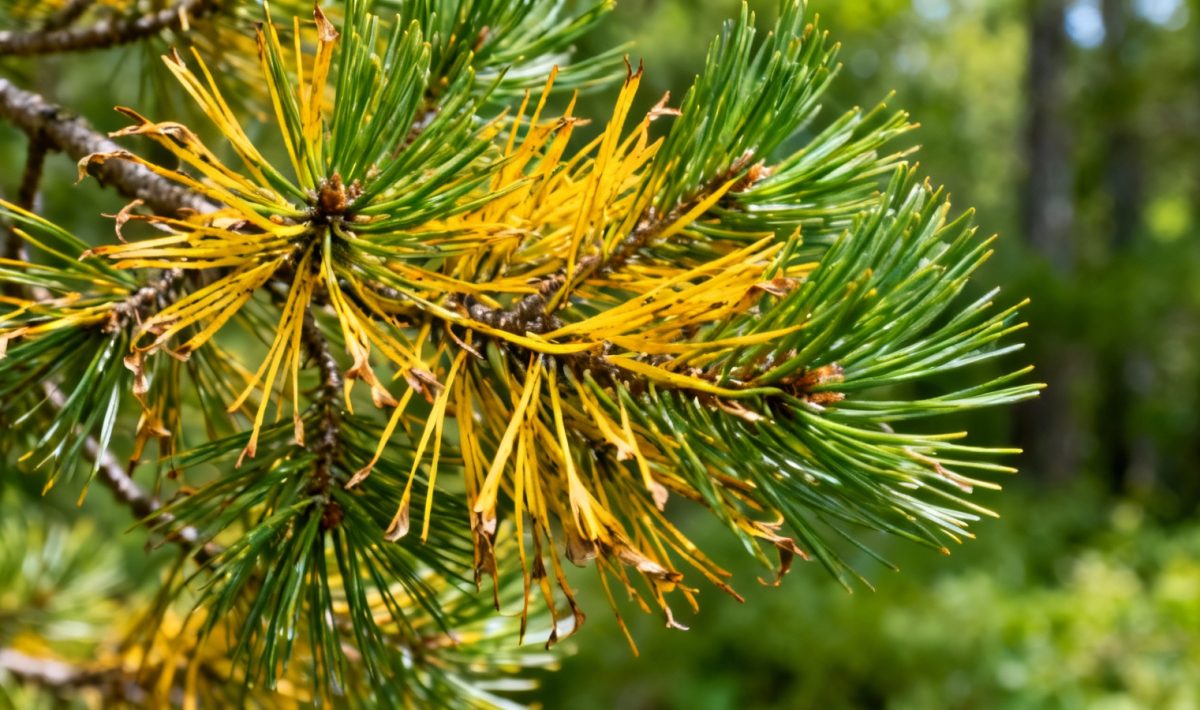
Why are my eastern white pine leaves turning yellow – diagnosis and solutions
Seeing your beloved eastern white pine with yellowing needles can be quite alarming. However, this common issue often has straightforward solutions once you understand the underlying causes. Yellow needles on your pine tree typically signal stress from environmental factors, nutritional deficiencies, or disease-related problems.
Eastern white pines are generally resilient trees, but they can struggle when their basic needs aren’t met. The yellowing pattern and timing can provide valuable clues about what’s affecting your tree’s health.
Eastern white pine (Pinus strobus) is a magnificent native tree species that can thrive for centuries in the right conditions. These trees naturally grow in forest environments with well-draining soil and consistent moisture levels. In garden settings, they require similar conditions to maintain their characteristic blue-green needles.
The tree’s needle collection consists of clusters of five soft needles bundled together. Unlike some pine species, eastern white pines are particularly sensitive to environmental changes and soil quality issues. Their root system spreads widely but remains relatively shallow, making them vulnerable to both drought and waterlogged conditions.
✅ Quick Checklist
Is the soil too wet or too dry?
Is the plant getting 6+ hours of sunlight daily?
Have you fertilized in the last 2 months?
Are there visible pests under the leaves?
Does the pot have adequate drainage?
🔥 FREE
📱
Diagnose your plant in one click!
AI instant diagnosis • Personalized solutions • 50,000+ species
Poor soil quality ranks as the primary culprit behind yellowing pine needles. Eastern white pines require well-draining, slightly acidic soil with a pH between 5.0 and 6.5. Clay soils that retain too much water can suffocate the root system, while sandy soils may not hold enough moisture for proper nutrient uptake.
Compacted soil around your tree creates additional stress by limiting oxygen flow to the roots. This often happens in garden areas with heavy foot traffic or where construction equipment has compressed the earth. The tree responds by dropping older needles, which turn yellow before falling off.
Water stress and irrigation problems
Both overwatering and underwatering can trigger needle yellowing in eastern white pines. These trees prefer consistent moisture levels but cannot tolerate standing water around their root zone. During drought periods, the tree may shed older needles to conserve water for new growth.
Signs of water stress include yellowing that starts from the tree’s interior and progresses outward. Proper irrigation involves deep, infrequent watering that penetrates at least 12 inches into the soil. Using mulch around the base helps maintain consistent soil moisture while preventing water loss through evaporation.
Climate and seasonal changes
Natural needle drop occurs every fall when older needles turn yellow and shed. However, excessive yellowing outside the normal autumn period indicates environmental stress. Sudden temperature changes, late frost, or prolonged dry spells can shock the tree and cause widespread needle discoloration.
Global climate patterns increasingly affect local tree health, with many areas experiencing more extreme weather conditions. Eastern white pines may struggle to adapt quickly to these changes, resulting in stress-related yellowing throughout the growing season.
Disease and pest-related causes
Fungal infections affecting needle health
Several fungal diseases can cause needle yellowing in eastern white pines. White pine blister rust, caused by Cronartium ribicola, creates yellow spots on needles before progressing to branch dieback. This disease requires specific humidity conditions and alternative host plants to complete its life cycle.
Root rot fungi thrive in poorly drained soils and attack the tree’s root system, limiting nutrient uptake and causing upper canopy yellowing. Early detection involves examining the soil around the tree base for mushrooms or fungal growth, which often indicate underground root problems.
Insect pests and their impact
Various insects can stress eastern white pines enough to cause needle yellowing. Pine needle scale insects attach to individual needles and suck out plant fluids, causing yellow spotting and eventual needle drop. These tiny pests often go unnoticed until damage becomes extensive.
White pine weevil attacks the tree’s terminal leader, causing yellowing and death of the growing tip. This pest particularly affects younger trees and can permanently alter the tree’s natural shape if left untreated. Regular monitoring helps detect early infestations before significant damage occurs.
✅ Quick Checklist
Is the soil too wet or too dry?
Is the plant getting 6+ hours of sunlight daily?
Have you fertilized in the last 2 months?
Are there visible pests under the leaves?
Does the pot have adequate drainage?
🔥 FREE
📱
Diagnose your plant in one click!
AI instant diagnosis • Personalized solutions • 50,000+ species
Start by testing your soil pH and drainage capabilities. If the soil is too alkaline, incorporate sulfur or organic matter like pine needles to lower the pH gradually. For heavy clay soils, add coarse sand and compost to improve drainage without creating a perched water table.
Creating raised planting areas can help with drainage issues, especially in coastal regions where soil conditions may be challenging. The improved soil structure allows better root development and reduces stress on your tree. Many Mediterranean gardening techniques can be adapted for pine tree care, focusing on drought tolerance and soil improvement.
Optimizing watering practices
Establish a deep watering routine that encourages strong root development. Water slowly and deeply once or twice per week rather than frequent shallow watering. This approach helps the tree develop drought resistance and reduces susceptibility to root diseases.
Install a drip irrigation system for consistent water delivery, especially during dry periods. Monitor soil moisture at different depths using a soil probe or moisture meter. The goal is maintaining consistent moisture without waterlogging, similar to natural forest conditions where these trees thrive.
Disease and pest management
Preventive care remains the best strategy for maintaining tree health. Remove any infected branches immediately and dispose of them away from the garden area. For more comprehensive information about needle yellowing issues, you can explore reasons for yellowing pine needles which provides detailed diagnostic guidelines.
Apply horticultural oil sprays in early spring to control scale insects and other small pests. These treatments work by suffocating insects while being relatively safe for beneficial organisms. Time applications before new needle growth begins for maximum effectiveness.
Nutritional support and fertilization
Eastern white pines typically don’t require heavy fertilization, but annual soil testing can identify specific nutrient deficiencies. Apply a balanced, slow-release fertilizer in early spring if soil tests indicate nutrient deficiencies. Avoid high-nitrogen fertilizers that can promote excessive growth vulnerable to disease.
Organic amendments like compost and aged manure provide gentle nutrition while improving soil structure. These materials release nutrients slowly and support beneficial soil microorganisms that help trees resist diseases naturally.
Long-term tree care and monitoring
Regular observation helps catch problems early when they’re easier to address. Check your tree monthly for changes in needle color, unusual growth patterns, or signs of pest activity. Document what you observe with photos and notes to track changes over time.
Consider the broader garden ecosystem when caring for your pine tree. Other plant species can either compete with or complement your tree’s needs. Similar yellowing issues can affect other plants in your collection, such as understanding causes of yellowing honeysuckle leaves can help you recognize patterns in your garden’s health.
Climate adaptation becomes increasingly important as environmental conditions continue changing. Your eastern white pine may need additional support during extreme weather events or prolonged stress periods. Building soil health and maintaining proper growing conditions helps trees develop resilience against future challenges.
Remember that tree recovery takes time, often requiring a full growing season or more to show significant improvement. Patience combined with consistent care practices typically yields the best results for restoring your pine tree’s natural beauty and health.
Allan is a lifelong gardening enthusiast who still gets excited when the first seedlings pop up in spring. With a deep love for nature and a hands-in-the-soil approach, he shares practical tips, plant discoveries, and clever tricks picked up over years of digging, planting, and observing. Whether you’re a new gardener or have a shed full of tools, Allan writes like a neighbor who’s always happy to swap cuttings and stories over the fence.
You can find more about Allan’s work on Malt or connect with him on LinkedIn.