Why are my monterey cypress leaves turning yellow – causes and solutions
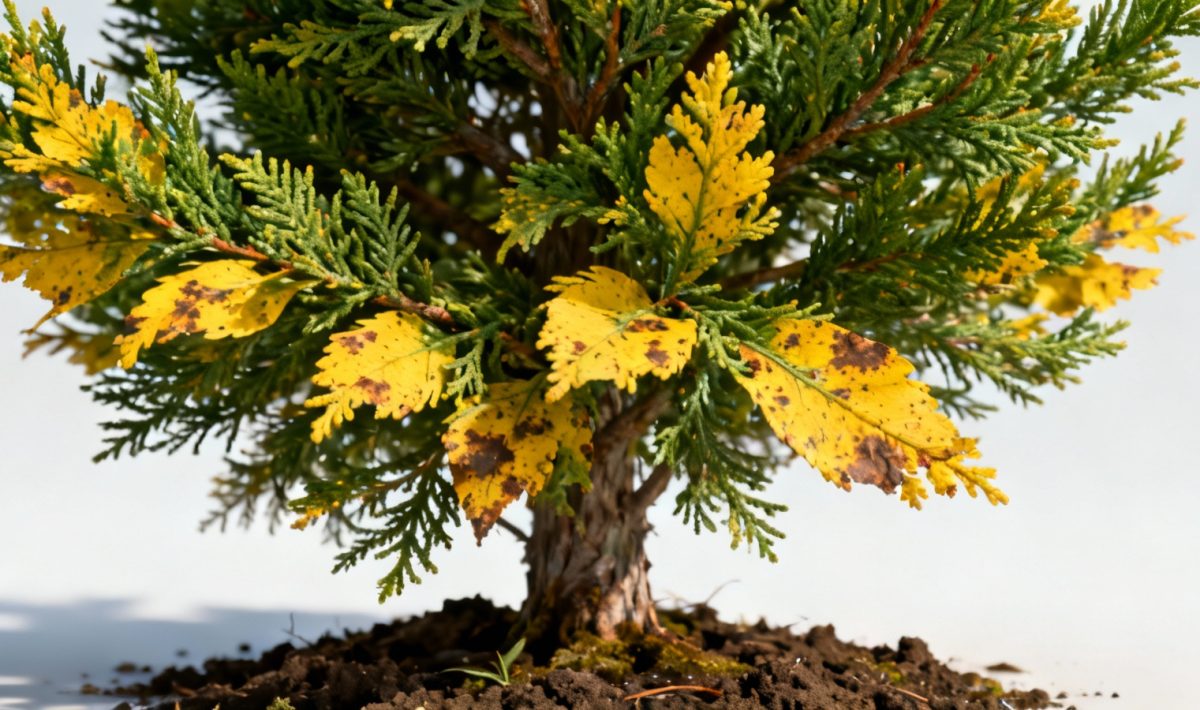
Nothing feels quite as disheartening as watching your beautiful Monterey cypress tree develop yellow leaves. You’ve invested time and care into nurturing this evergreen beauty, only to see those vibrant green needles slowly fade to an alarming shade of yellow. Don’t worry – yellowing leaves on your Monterey cypress are often a cry for help that you can address with the right approach.
Understanding why your tree is struggling is the first step toward restoring its health. Most commonly, yellowing occurs due to environmental stress, improper watering, or nutritional imbalances. The good news is that with proper diagnosis and timely intervention, you can often bring your cypress back to its former glory.
Environmental factors play a major role in the health of your Monterey cypress. These hardy trees are surprisingly sensitive to changes in their growing conditions, and they’ll quickly show their displeasure through yellowing foliage.
Temperature fluctuations can stress your tree significantly. If you’ve recently experienced unseasonably warm or cold weather, your cypress might be responding to this shock. Additionally, sudden changes in humidity levels or exposure to strong winds can trigger leaf yellowing as the tree attempts to conserve moisture.
Lighting conditions also matter more than you might think. While Monterey cypresses are generally adaptable, they prefer consistent sunlight exposure. If your tree has recently been shaded by new construction or overgrown neighboring plants, it may struggle to maintain healthy green foliage.
✅ Quick Checklist
Is the soil too wet or too dry?
Is the plant getting 6+ hours of sunlight daily?
Have you fertilized in the last 2 months?
Are there visible pests under the leaves?
Does the pot have adequate drainage?
🔥 FREE
📱
Diagnose your plant in one click!
AI instant diagnosis • Personalized solutions • 50,000+ species
Water-related issues are among the most frequent culprits behind yellow cypress leaves. Both overwatering and underwatering can cause similar symptoms, making proper diagnosis crucial for effective treatment.
Overwatering is particularly dangerous for Monterey cypresses. When roots sit in waterlogged soil for extended periods, they begin to rot and can’t absorb nutrients properly. This leads to yellowing that typically starts from the bottom of the tree and works its way up. You’ll often notice a musty smell around the base of an overwatered tree, and the soil will remain soggy days after watering.
Conversely, severe drought stress can also trigger yellowing as the tree attempts to conserve water by shedding older needles. Unlike overwatering, drought stress usually affects the entire canopy more uniformly. The soil will be dry several inches down, and the tree may appear wilted or droopy.
Poor drainage compounds both problems. Even with appropriate watering frequency, compacted or clay-heavy soil can create waterlogged conditions that stress your tree. Installing proper drainage or amending heavy soil with organic matter can work wonders for tree health.
Nutrient deficiencies affecting leaf color
Nutritional imbalances are another major factor in leaf yellowing. Your Monterey cypress needs a well-balanced diet of essential nutrients to maintain its vibrant green color and overall health.
Nitrogen deficiency is the most common nutritional cause of yellowing. When your tree lacks sufficient nitrogen, it will begin to cannibalize nutrients from older needles to support new growth. This creates a characteristic pattern where the oldest, innermost needles turn yellow first while newer growth remains green.
Iron deficiency presents differently, typically causing yellowing between the leaf veins while the veins themselves remain green. This condition, called chlorosis, is often triggered by alkaline soil conditions that prevent your tree from absorbing available iron effectively.
Magnesium deficiency can also cause yellowing, usually starting with older needles and progressing inward. This is less common but can occur in sandy soils where nutrients leach away quickly. For more detailed information about understanding yellowing leaves in cypress, consider exploring comprehensive diagnostic resources.
Pest and disease considerations
While environmental and nutritional factors are most common, pests and diseases can also cause yellowing in Monterey cypresses. Early identification of these issues is crucial for preventing widespread damage to your tree.
Spider mites are frequent troublemakers, especially during hot, dry weather. These tiny pests feed on needle sap, causing yellowing and eventual browning. You might notice fine webbing on affected branches, and the needles may have a stippled appearance when examined closely.
Scale insects represent another common threat. These small, waxy pests attach themselves to needles and branches, gradually weakening the tree through their feeding. Heavy infestations can cause significant yellowing and branch dieback if left untreated.
Fungal diseases like canker or root rot can also trigger yellowing symptoms. Cankers typically cause yellowing in specific sections of the tree, while root rot affects the entire canopy more uniformly. Both conditions require prompt treatment to prevent tree death.
✅ Quick Checklist
Is the soil too wet or too dry?
Is the plant getting 6+ hours of sunlight daily?
Have you fertilized in the last 2 months?
Are there visible pests under the leaves?
Does the pot have adequate drainage?
🔥 FREE
📱
Diagnose your plant in one click!
AI instant diagnosis • Personalized solutions • 50,000+ species
Once you’ve identified the likely cause of yellowing, implementing the right solution becomes much more straightforward. The key is addressing the root cause rather than just treating the symptoms.
For water-related issues, start by checking soil moisture at various depths. If the soil is consistently soggy, reduce watering frequency and improve drainage around the tree. Conversely, if the soil is bone dry, establish a regular watering schedule that keeps the soil consistently moist but not waterlogged.
Nutritional deficiencies respond well to targeted fertilization. A balanced, slow-release fertilizer applied in early spring typically addresses most nutrient needs. For specific deficiencies like iron chlorosis, specialized treatments may be necessary. Similar issues affect other cypress varieties, as detailed in guides about causes of yellow leaves on cypress species.
Pest problems require prompt intervention with appropriate treatments. Horticultural oils work well for scale insects and spider mites, while systemic insecticides may be necessary for severe infestations. Always follow label directions carefully and consider the impact on beneficial insects.
Prevention strategies for healthy growth
Preventing yellowing is always preferable to treating it after the fact. Establishing good care practices from the beginning will keep your Monterey cypress healthy and vibrant for years to come.
Proper planting location is fundamental. Choose a site with well-draining soil and adequate sunlight exposure. If you’re working with heavy clay soil, consider creating raised planting areas or amending the soil extensively with organic matter.
Regular monitoring allows you to catch problems early when they’re much easier to address. Check your tree weekly during the growing season, looking for changes in color, pest activity, or signs of stress. Early intervention can prevent minor issues from becoming major problems.
Maintaining consistent care routines helps minimize stress on your tree. This includes regular watering during dry periods, annual fertilization, and prompt removal of any dead or diseased branches. A healthy tree is naturally more resistant to pests, diseases, and environmental stresses that can trigger yellowing.
With patience and proper care, your Monterey cypress can recover from yellowing episodes and return to robust health. Remember that trees often take time to respond to treatment, so don’t get discouraged if improvements aren’t immediately visible. Consistent, appropriate care will eventually yield the results you’re seeking in your garden.
Allan is a lifelong gardening enthusiast who still gets excited when the first seedlings pop up in spring. With a deep love for nature and a hands-in-the-soil approach, he shares practical tips, plant discoveries, and clever tricks picked up over years of digging, planting, and observing. Whether you’re a new gardener or have a shed full of tools, Allan writes like a neighbor who’s always happy to swap cuttings and stories over the fence.
You can find more about Allan’s work on Malt or connect with him on LinkedIn.