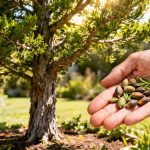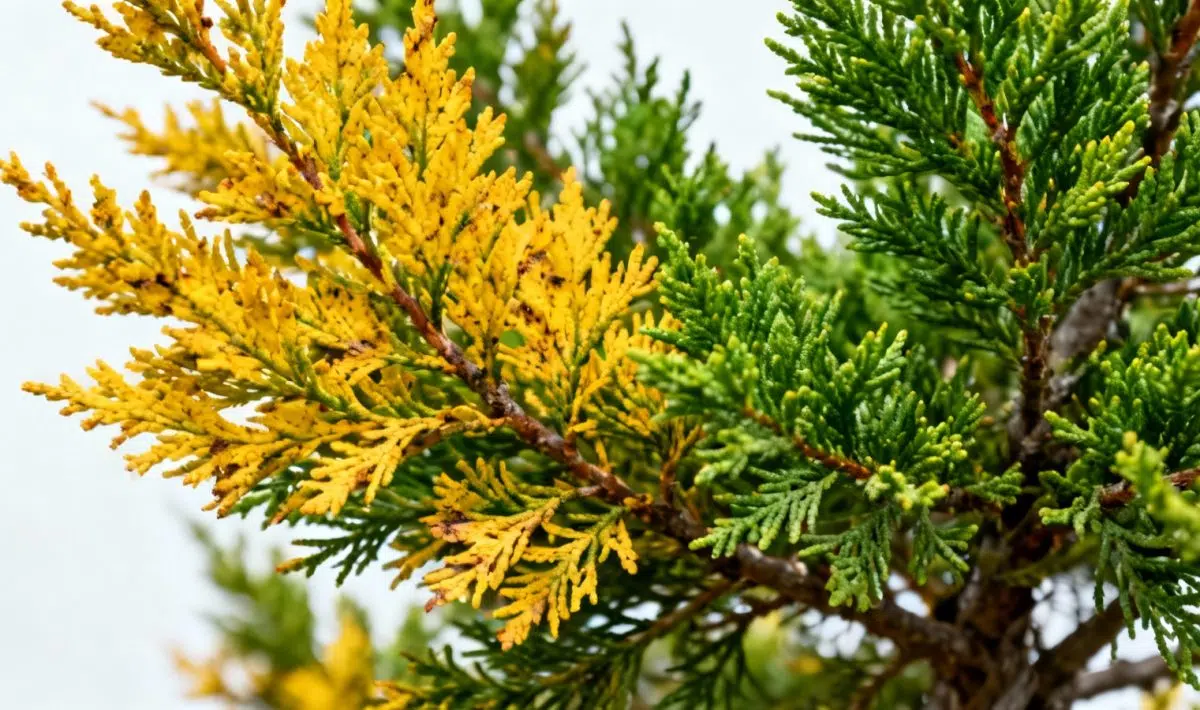
If you’ve noticed your beautiful Monterey cypress developing yellow leaves, you’re not alone. This stunning evergreen tree, known for its distinctive silhouette and hardy nature, can sometimes show signs of stress through yellowing foliage. Understanding why are my monterey cypress leaves turning yellow is the first step toward restoring your tree to perfect health.
The good news is that yellow leaves don’t necessarily mean your tree is doomed. With proper diagnosis and care, you can address the underlying issues and help your cypress thrive once again. Let’s dive into the most common causes and practical solutions for this garden challenge.
Understanding the monterey cypress tree
The Monterey cypress (Cupressus macrocarpa) is a magnificent evergreen that naturally grows along the rocky coastlines of California. This hardy tree has adapted to thrive in challenging conditions, from salty sea air to strong winds. In your garden, it serves as an excellent windbreak and can live for decades with proper care.
These trees are particularly valued for their distinctive branching pattern and dense, scale-like foliage that typically maintains a vibrant green color year-round. When the leaves start turning yellow, it’s often your tree’s way of communicating that something in its environment needs attention.
✅ Quick Checklist
- Is the soil too wet or too dry?
- Is the plant getting 6+ hours of sunlight daily?
- Have you fertilized in the last 2 months?
- Are there visible pests under the leaves?
- Does the pot have adequate drainage?
Diagnose your plant in one click!
AI instant diagnosis • Personalized solutions • 50,000+ species
Overwatering and root problems
One of the most common culprits behind yellowing cypress leaves is too much water. When the soil stays consistently wet, the roots can’t breathe properly, leading to root rot. This condition prevents the tree from absorbing nutrients effectively, causing the leaves to turn yellow and eventually drop.
Check the soil around your tree by inserting your finger about 2 inches deep. If it feels soggy or waterlogged, you’ll need to adjust your watering schedule. Well-draining soil is essential for these trees, as they prefer conditions that mimic their natural coastal habitat.
Underwatering stress
On the flip side, drought stress can also cause yellow leaves. While Monterey cypress trees are relatively drought-tolerant once established, young trees or those in containers need consistent moisture. During dry periods, the tree will sacrifice older leaves to conserve water for new growth.
The key is finding the right balance. Water deeply but less frequently, allowing the soil to dry out slightly between watering sessions. This encourages healthy root development and prevents both overwatering and drought stress.
Nutrient deficiencies and soil issues
Nitrogen deficiency
Yellow leaves often signal a nitrogen deficiency, particularly when the yellowing starts with older leaves at the bottom of the tree. Nitrogen is crucial for chlorophyll production, which gives leaves their green color. Without adequate nitrogen, leaves lose their vibrant appearance.
A balanced, slow-release fertilizer applied in early spring can help address this issue. Look for fertilizers specifically designed for evergreen trees, as they contain the right ratio of nutrients your cypress needs.
Soil pH and mineral absorption
The pH level of your soil affects how well your tree can absorb nutrients. Monterey cypress trees prefer slightly acidic to neutral soil (pH 6.0-7.5). If your soil is too alkaline or too acidic, the tree might struggle to uptake essential minerals, leading to yellowing leaves.
Consider testing your soil pH with a simple garden kit. If adjustments are needed, you can gradually modify the pH using organic amendments like compost or sulfur for acidic conditions, or lime for overly acidic soil.
Fungal infections
Fungal diseases can cause yellow leaves, particularly in humid conditions or when water sits on the foliage. Common fungal issues include cypress canker and root rot, both of which can cause significant yellowing and branch dieback.
Similar yellowing patterns can affect other garden plants too. For instance, you might notice how to address yellowing honeysuckle leaves when dealing with fungal issues in your landscape.
Improve air circulation around your tree by pruning nearby vegetation and avoid overhead watering when possible. Apply fungicides specifically designed for evergreen trees if the problem persists.
Insect pests
Various insects can stress your cypress tree, leading to yellow leaves. Scale insects, spider mites, and aphids are common culprits that feed on the tree’s sap, weakening it and causing discoloration.
Inspect your tree regularly, checking both the tops and undersides of branches. Early detection allows for more effective treatment using horticultural oils or insecticidal soaps that are gentle on the tree but effective against pests.
Environmental stress factors
Temperature and seasonal changes
Sudden temperature fluctuations can shock your cypress tree, causing yellow leaves as it adjusts to new conditions. This is particularly common in late winter or early spring when temperatures vary dramatically between day and night.
While some seasonal yellowing of older interior leaves is normal, widespread yellowing indicates stress. Protect young trees with burlap screens during harsh weather, and ensure they’re well-watered going into winter months.
Transplant shock
If you’ve recently planted or moved your Monterey cypress, yellow leaves might indicate transplant shock. This temporary condition occurs as the tree adjusts to its new location and reestablishes its root system.
Be patient and maintain consistent care during this adjustment period. Most trees recover within a growing season with proper watering and minimal disturbance to the root zone.
✅ Quick Checklist
- Is the soil too wet or too dry?
- Is the plant getting 6+ hours of sunlight daily?
- Have you fertilized in the last 2 months?
- Are there visible pests under the leaves?
- Does the pot have adequate drainage?
Diagnose your plant in one click!
AI instant diagnosis • Personalized solutions • 50,000+ species
Solutions and prevention strategies
Proper watering techniques
Establish a consistent watering routine that allows the soil to dry slightly between sessions. Water deeply at the base of the tree rather than sprinkling the foliage. This encourages deep root growth and reduces the risk of fungal infections.
During hot summer months, water early in the morning to give the tree time to absorb moisture before the heat of the day. In winter, reduce watering frequency but don’t let the tree become completely dry.
Soil improvement and fertilization
Enhance your soil with organic matter like compost or well-aged manure. This improves both drainage and nutrient content, creating an ideal environment for your cypress tree. Apply a 2-3 inch layer of mulch around the base to retain moisture and regulate soil temperature.
Feed your tree with a balanced, slow-release fertilizer in early spring. This provides steady nutrition throughout the growing season without the risk of fertilizer burn that can come with quick-release products.
When to seek professional help
If yellowing persists despite your best efforts, it might be time to consult an arborist or plant specialist. Professional diagnosis can identify issues that aren’t immediately obvious, such as soil-borne diseases or complex nutrient imbalances.
This approach can be valuable for other cypress varieties too. You can find solutions for yellowing cypress leaves that might be experiencing similar challenges in your garden landscape.
Remember that tree health issues often develop slowly, and recovery takes time. With patience and consistent care, your Monterey cypress can return to its former glory, providing years of beauty and structure to your garden. The key is identifying the problem early and taking appropriate action before minor issues become major tree health concerns.

Allan is a lifelong gardening enthusiast who still gets excited when the first seedlings pop up in spring. With a deep love for nature and a hands-in-the-soil approach, he shares practical tips, plant discoveries, and clever tricks picked up over years of digging, planting, and observing. Whether you’re a new gardener or have a shed full of tools, Allan writes like a neighbor who’s always happy to swap cuttings and stories over the fence.
You can find more about Allan’s work on Malt or connect with him on LinkedIn.