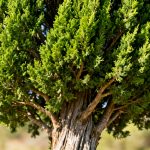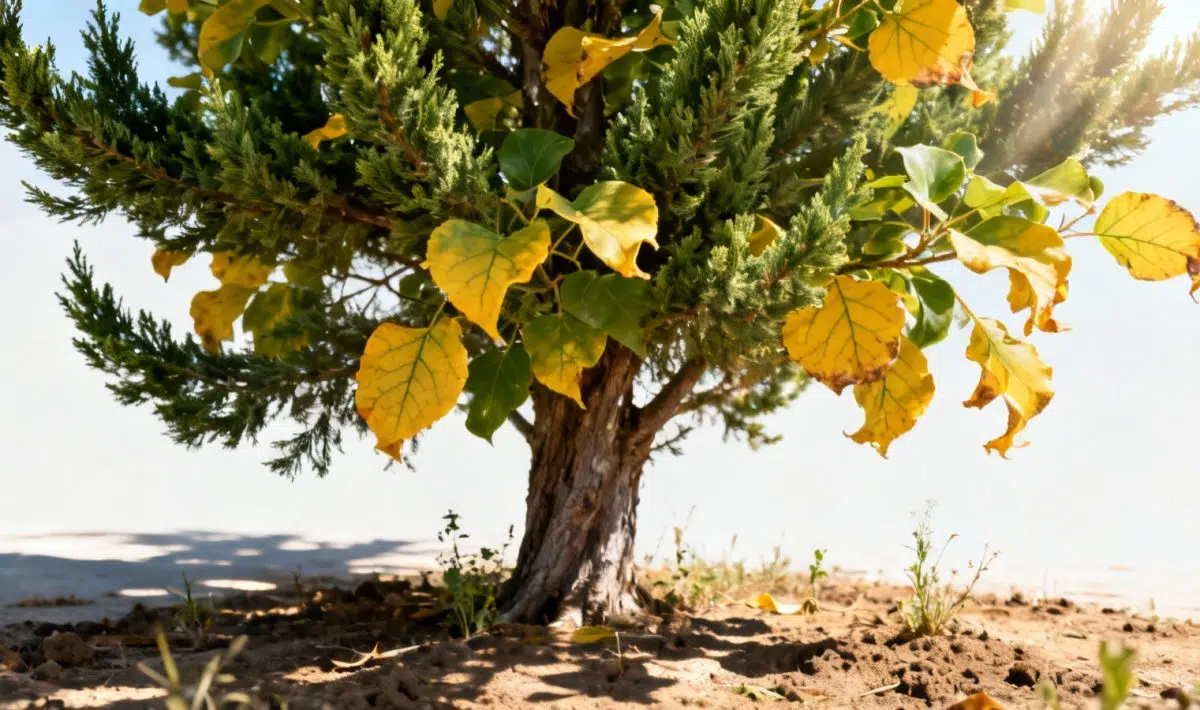
When you notice your Mediterranean cypress developing yellow leaves, it can be quite concerning. This beautiful evergreen tree is known for its resilience, but several factors can cause its foliage to lose that vibrant green color. Understanding these causes is essential for maintaining a healthy plant and preventing further damage to your garden’s structure.
Yellow leaves on cypress trees are often the plant’s way of signaling stress from environmental conditions or care issues. The good news is that most of these problems can be resolved with proper diagnosis and timely intervention. Let’s explore the major reasons why this happens and what you can do about it.
✅ Quick Checklist
- Is the soil too wet or too dry?
- Is the plant getting 6+ hours of sunlight daily?
- Have you fertilized in the last 2 months?
- Are there visible pests under the leaves?
- Does the pot have adequate drainage?
Diagnose your plant in one click!
AI instant diagnosis • Personalized solutions • 50,000+ species
Water stress: the most common culprit
Water-related issues are among the top reasons why Mediterranean cypress leaves turn yellow. Both overwatering and underwatering can stress the plant and trigger yellowing. These trees prefer well-draining soil that’s kept moderately moist but never waterlogged.
Overwatering is particularly problematic because it can lead to root rot. When roots sit in soggy soil for extended periods, they can’t absorb nutrients properly, and the plant begins showing signs of distress through yellow foliage. You might also notice a musty smell around the base of the tree.
On the other hand, insufficient watering during hot summer months can also cause yellowing. The Mediterranean cypress, despite its drought tolerance once established, still needs consistent moisture during its growing season. Check the soil regularly by inserting your finger about two inches deep into the ground.
Soil conditions that affect plant health
Poor soil quality can significantly impact your cypress tree’s health. These plants thrive in well-draining soil with a slightly alkaline pH between 6.5 and 8.0. Heavy clay soils that retain too much moisture or sandy soils that drain too quickly can both cause problems.
Nutrient deficiencies are another major concern. Nitrogen deficiency often manifests as yellowing of older leaves first, while iron deficiency typically causes yellowing between leaf veins. Poor soil structure can prevent roots from accessing essential nutrients, even when they’re present in adequate amounts.
If you’re dealing with similar yellowing issues in other plants, you might want to discover why cypress leaves turn yellow in different species to better understand the underlying causes. Many factors are universal across different types of cypress trees.
Pest and disease problems
Several pests and diseases can cause yellowing in Mediterranean cypress trees. Scale insects are particularly common and can be difficult to spot initially. They attach to branches and needles, sucking plant juices and weakening the tree over time.
Fungal diseases like root rot or canker can also lead to yellowing foliage. These problems are often exacerbated by poor air circulation, high humidity, or wounds in the tree’s bark. Inspect your tree regularly for signs of unusual growths, discoloration, or sticky substances that might indicate pest activity.
Aphids and spider mites may also target cypress trees, especially during warm weather. These tiny pests can multiply quickly and cause significant damage if left untreated. Look for fine webbing or small moving dots on the foliage.
Environmental stress factors
Temperature extremes can stress Mediterranean cypress trees and cause yellowing. While these trees are generally hardy, sudden temperature drops or prolonged heat waves can shock the system. Frost damage typically appears as yellowing or browning of needle tips first.
Insufficient sunlight is another factor that many gardeners overlook. Mediterranean cypress trees need full sun exposure for at least six hours daily to maintain their vibrant green color. Plants grown in shaded areas may develop yellow foliage as they struggle to photosynthesize effectively.
Wind exposure can also contribute to stress, particularly in young trees or those planted in exposed locations. Strong winds can desiccate foliage and create additional stress that manifests as yellowing leaves.
✅ Quick Checklist
- Is the soil too wet or too dry?
- Is the plant getting 6+ hours of sunlight daily?
- Have you fertilized in the last 2 months?
- Are there visible pests under the leaves?
- Does the pot have adequate drainage?
Diagnose your plant in one click!
AI instant diagnosis • Personalized solutions • 50,000+ species
Solutions and prevention strategies
The first step in addressing yellow leaves is to identify the root cause through careful observation. Check the soil moisture level, examine the plant for pests, and assess the growing conditions. Once you’ve identified the problem, you can implement targeted solutions.
For water-related issues, adjust your irrigation schedule based on weather conditions and soil type. During summer months, water deeply but less frequently to encourage deep root growth. In winter, reduce watering frequency as the plant’s growth slows down.
Improving soil drainage is crucial if waterlogged conditions are the problem. You can amend heavy soils with coarse sand or perlite, or consider planting in raised beds. For nutrient deficiencies, apply a balanced fertilizer specifically designed for evergreen trees during the growing season.
Interestingly, yellowing issues aren’t limited to cypress trees alone. If you’re experiencing similar problems with other Mediterranean herbs, you might find out about yellow peppermint leaves and how various environmental factors can affect different plant species in similar ways.
Long-term care for healthy cypress trees
Maintaining healthy Mediterranean cypress trees requires consistent care and attention to their specific needs. Regular pruning helps improve air circulation and removes any damaged or diseased branches that could harbor pests or pathogens.
Apply a layer of organic mulch around the base of the tree to help retain moisture and regulate soil temperature. However, keep mulch a few inches away from the trunk to prevent moisture buildup that could encourage fungal problems.
Monitor your trees regularly throughout the year, paying special attention during periods of environmental stress such as drought, extreme temperatures, or high winds. Early detection of problems allows for quicker intervention and better outcomes.
With proper care and attention, your Mediterranean cypress can recover from yellowing and continue to provide beautiful structure to your garden for many years. Remember that some seasonal yellowing of older interior needles is completely normal and shouldn’t cause concern.

Allan is a lifelong gardening enthusiast who still gets excited when the first seedlings pop up in spring. With a deep love for nature and a hands-in-the-soil approach, he shares practical tips, plant discoveries, and clever tricks picked up over years of digging, planting, and observing. Whether you’re a new gardener or have a shed full of tools, Allan writes like a neighbor who’s always happy to swap cuttings and stories over the fence.
You can find more about Allan’s work on Malt or connect with him on LinkedIn.