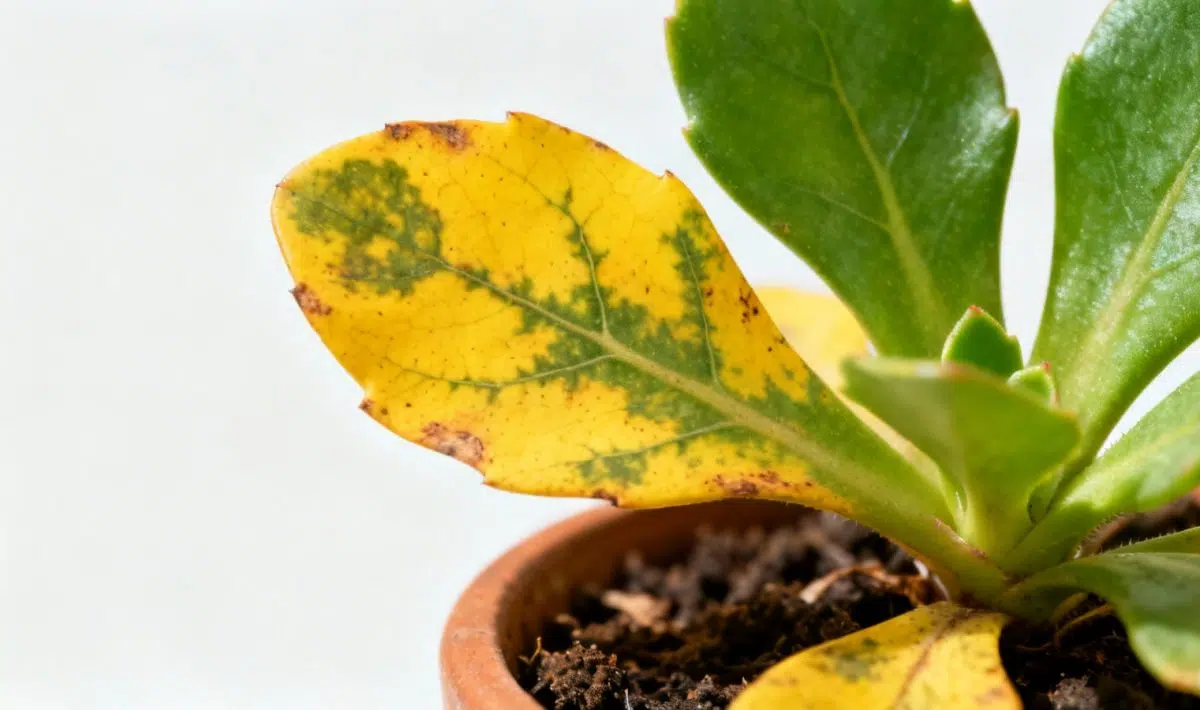
Why are my orpine leaves turning yellow – causes and solutions explained
Nothing’s more concerning than watching your beloved orpine plant develop yellow leaves. This common issue affects many gardeners, but understanding the underlying causes can help you restore your plant’s vibrant green appearance. Yellow leaves on orpine often signal specific problems that, once identified, can be addressed with targeted solutions.
Orpine plants, known for their succulent-like characteristics, typically display healthy green foliage when properly cared for. However, environmental stress, watering issues, or nutrient deficiencies can quickly turn those beautiful leaves from green to yellow or even orange in severe cases.
Before addressing why your orpine leaves are turning yellow, it’s essential to observe the specific patterns and distribution of discoloration. The way yellowing appears on your plant can provide valuable clues about the underlying cause.
Start by examining which leaves are affected first. Lower leaves typically yellow before upper ones in cases of natural aging or nutrient deficiencies. However, if yellowing begins at the top or appears scattered throughout the plant, this suggests different issues like disease or environmental stress.
The color progression matters too. Leaves may start as pale green, then transition to yellow, and eventually become orange or brown. Similar patterns can be observed in other garden plants like rose bushes or lily specimens when they experience stress.
✅ Quick Checklist
Is the soil too wet or too dry?
Is the plant getting 6+ hours of sunlight daily?
Have you fertilized in the last 2 months?
Are there visible pests under the leaves?
Does the pot have adequate drainage?
🔥 FREE
📱
Diagnose your plant in one click!
AI instant diagnosis • Personalized solutions • 50,000+ species
Water-related stress ranks as the most frequent culprit behind yellowing orpine leaves. These hardy plants prefer well-draining soil and can suffer from both overwatering and underwatering, though overwatering poses a greater threat to their health.
Excessive moisture creates an environment where root rot can develop, preventing the plant from absorbing nutrients effectively. The roots essentially “drown” in waterlogged soil, causing the leaves to yellow from the bottom up. Conversely, severe drought stress can also trigger yellowing, though this typically affects the entire plant more uniformly.
Nutrient deficiencies represent another major cause of yellowing. Nitrogen deficiency commonly manifests as yellowing that starts with older, lower leaves and progresses upward. Similarly, iron deficiency causes yellowing but typically affects newer growth first, creating a distinctive pattern where leaf veins remain green while the tissue between them turns yellow.
Pest infestations can also trigger yellowing in orpine plants. Aphids, spider mites, and other common garden insects feed on plant sap, weakening the foliage and causing discoloration. This issue often affects multiple plants in the garden simultaneously, including nearby flower beds with dahlia, poppy, or géranium plants.
Environmental stress factors
Temperature fluctuations and inadequate light conditions contribute significantly to leaf yellowing. Orpine plants thrive in bright, indirect sunlight and can struggle in consistently shady areas where they compete with larger specimens like apple trees or cherry bushes for available light.
Soil pH imbalances also play a crucial role. Most orpines prefer slightly acidic to neutral soil conditions. When the pH strays too far from this range, nutrient uptake becomes impaired, leading to deficiency symptoms that manifest as yellowing leaves.
For context on similar yellowing issues in other plants, understanding reasons for yellowing honeysuckle leaves can provide additional insights into plant stress responses and recovery methods.
Effective solutions for healthy green foliage
Addressing water management issues requires careful attention to soil moisture levels and drainage capabilities. Check the soil moisture by inserting your finger about two inches deep into the earth around your orpine plant. The soil should feel slightly moist but never soggy or completely dry.
Improve drainage by amending heavy clay soils with organic matter such as compost or aged mulch. For container-grown orpines, ensure pots have adequate drainage holes and consider repotting if the current container retains too much moisture.
Establish a consistent watering schedule that accounts for seasonal changes and weather patterns. During active growing seasons, water when the top inch of soil feels dry. Reduce watering frequency during dormant periods, typically in winter months.
Nutritional support and soil improvement
Address nutrient deficiencies through targeted fertilization approaches. Apply a balanced, slow-release fertilizer during the growing season, following package instructions for application rates. Organic options like compost or well-aged manure provide gentle, long-lasting nutrition.
Test your soil pH using an inexpensive soil testing kit available at most garden centers. If the pH falls outside the optimal range of 6.0-7.0, amend the soil accordingly. Add lime to raise pH in acidic soils or sulfur to lower pH in alkaline conditions.
Iron deficiency requires special attention and may need chelated iron supplements applied according to manufacturer recommendations. This issue commonly affects plants growing near concrete foundations or in highly alkaline soils.
✅ Quick Checklist
Is the soil too wet or too dry?
Is the plant getting 6+ hours of sunlight daily?
Have you fertilized in the last 2 months?
Are there visible pests under the leaves?
Does the pot have adequate drainage?
🔥 FREE
📱
Diagnose your plant in one click!
AI instant diagnosis • Personalized solutions • 50,000+ species
Inspect your orpine regularly for signs of pest activity, paying special attention to the undersides of leaves where many insects prefer to hide. Early detection makes treatment more effective and prevents extensive damage to the foliage.
Implement integrated pest management strategies that combine biological, cultural, and mechanical controls. Encourage beneficial insects by planting diverse flower varieties like orchid or begonia nearby, which attract natural predators of common garden pests.
For severe infestations, consider organic treatment options such as insecticidal soap or neem oil applications. These treatments target soft-bodied insects while minimizing harm to beneficial garden inhabitants. Remember that causes of yellow cylindrical snake plant leaves can include similar pest issues that respond well to consistent monitoring and early intervention.
Prevention strategies for long-term plant health
Develop a proactive approach to orpine care that prevents yellowing issues before they develop. Regular monitoring allows you to catch problems early when they’re easier to address and less likely to cause permanent damage.
Create optimal growing conditions by selecting appropriate planting locations with adequate sunlight and good air circulation. Avoid overcrowding plants, which can create humid microclimates that encourage fungal problems and pest development.
Maintain consistent care routines that include regular watering schedules, seasonal fertilization, and periodic soil amendments. Document your care practices to identify patterns that correlate with plant health improvements or setbacks.
Consider companion planting strategies that benefit your orpine while enhancing overall garden biodiversity. Plants like black-eyed Susan or other native wildflowers can attract beneficial insects while competing minimally for resources with your orpine specimens.
By understanding the common causes behind yellowing orpine leaves and implementing targeted solutions, you can restore your plant’s health and prevent future issues. Remember that plant care requires patience and observation, as recovery often takes several weeks to become visible in new growth.
Allan is a lifelong gardening enthusiast who still gets excited when the first seedlings pop up in spring. With a deep love for nature and a hands-in-the-soil approach, he shares practical tips, plant discoveries, and clever tricks picked up over years of digging, planting, and observing. Whether you’re a new gardener or have a shed full of tools, Allan writes like a neighbor who’s always happy to swap cuttings and stories over the fence.
You can find more about Allan’s work on Malt or connect with him on LinkedIn.