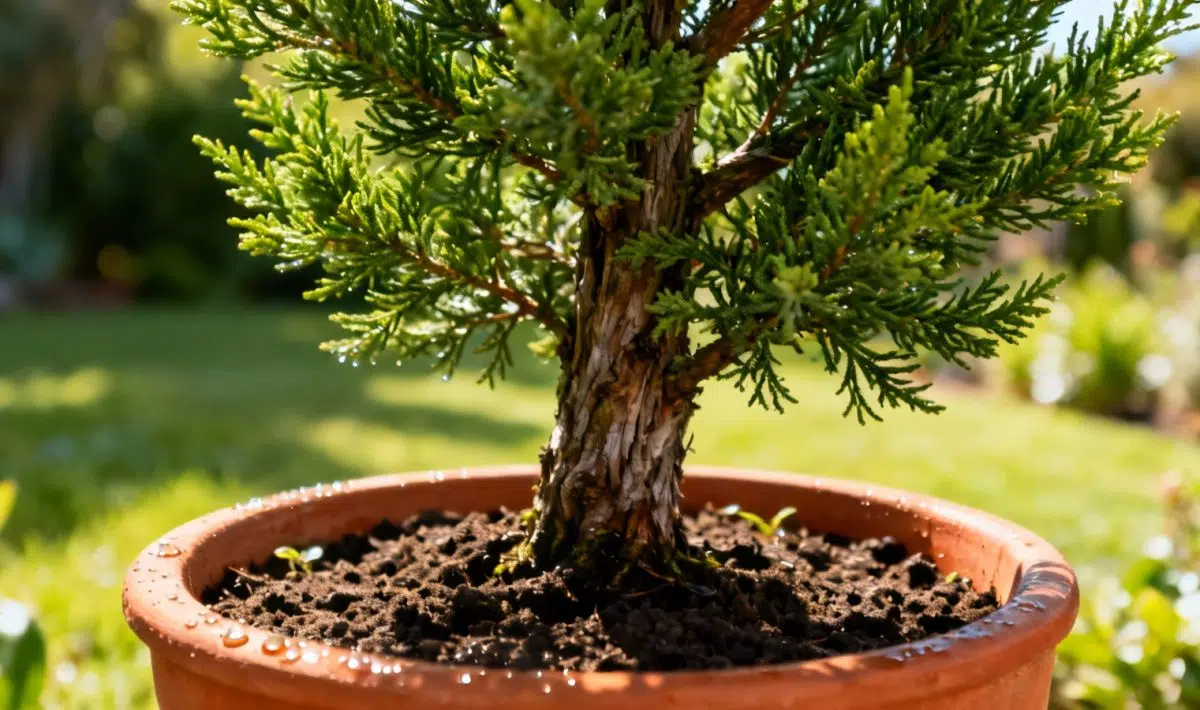
Understanding the water needs of your Monterey cypress
The Monterey cypress (*Cupressus macrocarpa*) is a magnificent evergreen tree that requires careful attention to watering, especially during its early years. This hardy tree, which naturally thrives along the California coast, has specific water requirements that vary significantly depending on its age and growing conditions. Understanding how often should you water your Monterey cypress will ensure your tree develops a robust root system and maintains healthy growth throughout its life.
Native to the rugged coastlines near Monterey Bay, this tree species has adapted to well-draining soils and moderate moisture levels. The key to successful cultivation lies in mimicking these natural conditions while providing adequate support during establishment. Young trees are particularly vulnerable and require more frequent attention than their mature counterparts.
Age-specific watering requirements
For young Monterey cypress trees planted from seeds or small saplings, consistent moisture is essential during the first three years of growth. These developing trees need weekly watering during dry periods, with each session providing deep, thorough hydration rather than shallow, frequent sprinkles. The goal is to encourage deep root development that will serve the tree well in later years.
Mature Monterey cypress trees, typically those established for more than three years, demonstrate remarkable drought tolerance. These hardy specimens often require watering only during extended dry periods or extreme heat waves. Their extensive root systems can access moisture from deeper soil layers, making them much more self-sufficient than younger trees.
Factors that influence watering frequency
Climate plays a crucial role in determining your Monterey cypress watering schedule. During spring and fall, natural rainfall often provides sufficient moisture, reducing the need for supplemental watering. However, summer months typically require more attention, especially in regions with hot, dry conditions that can stress even established trees.
The type of soil in your garden significantly affects water retention and drainage. Sandy soils drain quickly and may require more frequent watering, while clay soils hold moisture longer but can become waterlogged if overwatered. Well-draining soil with good organic content provides the ideal balance for optimal cypress health.
Container versus ground planting considerations
Monterey cypress trees grown in pots or containers have vastly different water requirements compared to those planted directly in the ground. Container-grown trees dry out much faster and typically need watering once or twice per week, depending on the pot size and environmental conditions. The confined root space means these trees cannot access additional moisture sources beyond what you provide.
Trees planted in the ground benefit from natural soil moisture and rainfall, requiring less frequent intervention. However, they still need regular monitoring during their establishment period to ensure proper root development and overall health.
Practical watering techniques and timing
The best time to water your Monterey cypress is early morning, allowing the tree to absorb moisture before the day’s heat increases evaporation rates. This timing also reduces the risk of fungal diseases that can develop when foliage remains wet overnight. Deep, infrequent watering sessions are much more beneficial than light, frequent applications that only wet the surface soil.
When watering, apply water slowly and deeply around the tree’s root zone, which typically extends beyond the canopy’s drip line. A soaker hose or drip irrigation system works exceptionally well for this purpose, delivering water directly to the soil without wetting the foliage unnecessarily.
For those growing related cypress species, you might find it helpful to understand the frequency of watering Mediterranean cypress to compare different care requirements. Each cypress variety has unique needs that reflect their natural habitat conditions.
Recognizing signs of water stress
Your Monterey cypress will display clear indicators when its water needs are not being met. Yellowing or browning of the lower branches often signals insufficient moisture, while wilting or drooping foliage during hot weather indicates immediate water stress. Conversely, consistently soggy soil or yellowing from the top down may suggest overwatering problems.
Healthy Monterey cypress trees maintain vibrant green foliage and steady growth throughout the growing season. New growth should appear bright green, and the overall canopy should look full and dense. Any deviation from this healthy appearance warrants closer examination of your watering practices.
Common watering mistakes to avoid
One of the most frequent errors in cypress care is establishing a rigid watering schedule without considering environmental factors. Weather conditions, soil moisture levels, and seasonal changes all affect your tree’s water requirements. Rather than following a strict calendar, learn to assess soil moisture and adjust accordingly.
Overwatering poses just as much risk as underwatering for Monterey cypress trees. These trees prefer well-draining conditions and can develop root rot in constantly wet soil. Always check soil moisture several inches deep before adding water, and ensure proper drainage around the planting area.
Seasonal adjustments for optimal care
Spring typically brings increased growth and higher water demands as temperatures rise and daylight hours extend. This is when young trees particularly benefit from consistent moisture to support new foliage and root development. Summer requires the most attention, with hot, dry conditions potentially stressing trees of all ages.
Fall watering should gradually decrease as growth slows and temperatures drop, but don’t completely stop watering until winter dormancy begins. Winter watering is usually minimal, required only during unusually dry spells or for container-grown specimens that cannot access ground moisture.
By understanding these principles and observing your tree’s responses, you’ll develop an intuitive sense for when and how much to water your Monterey cypress. Remember that each tree and location presents unique conditions, so adapt these guidelines to your specific circumstances for the best results.
Allan is a lifelong gardening enthusiast who still gets excited when the first seedlings pop up in spring. With a deep love for nature and a hands-in-the-soil approach, he shares practical tips, plant discoveries, and clever tricks picked up over years of digging, planting, and observing. Whether you’re a new gardener or have a shed full of tools, Allan writes like a neighbor who’s always happy to swap cuttings and stories over the fence.
You can find more about Allan’s work on Malt or connect with him on LinkedIn.