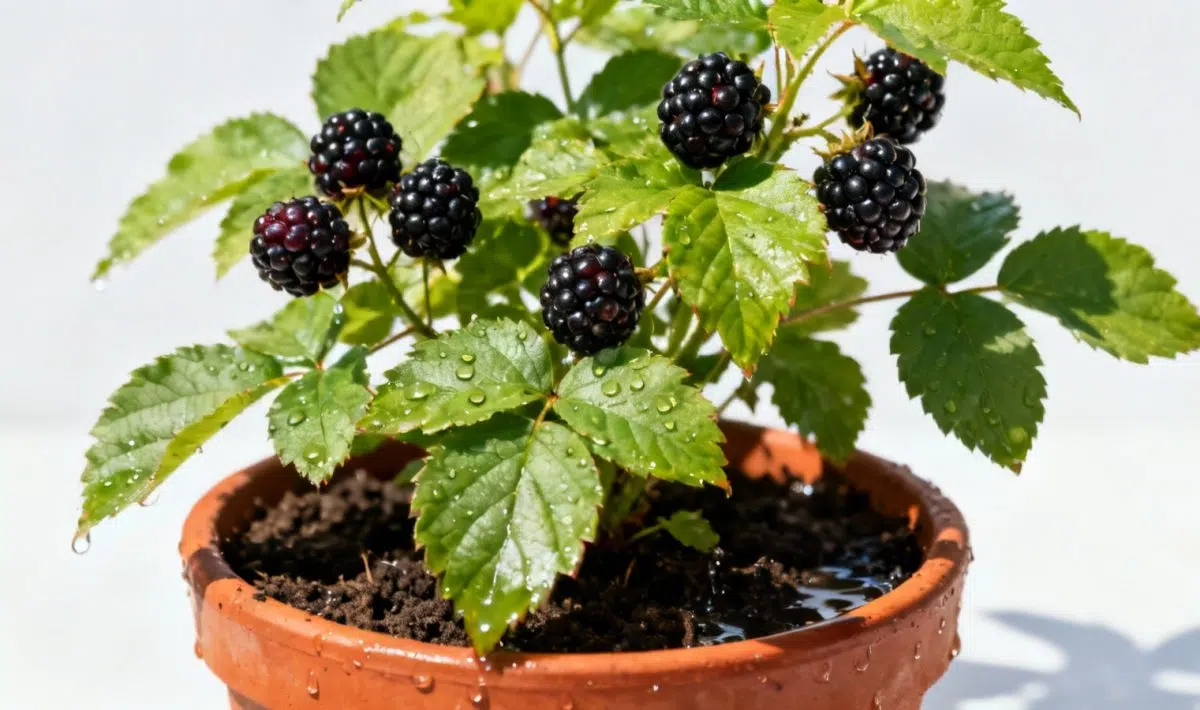
When it comes to growing healthy blackberry plants, understanding how often should you water your common blackberry is absolutely crucial. These robust plants require consistent moisture but can’t tolerate waterlogged conditions. The key lies in finding that sweet spot where the soil stays pleasantly damp without becoming soggy.
Common blackberry plants (Rubus fruticosus) have relatively shallow root systems that spread horizontally rather than diving deep. This means they rely heavily on surface moisture and rainfall to meet their hydration needs. During the growing season, these plants are particularly thirsty, especially when they’re developing those gorgeous purple fruits we all love.
Watering frequency based on plant stage
Young blackberry plants need more frequent attention than their mature counterparts. Newly planted blackberry seedlings or canes require watering every 2-3 days during their first few weeks of growth. This helps establish their root system and reduces transplant shock.
For established plants, the watering schedule becomes more flexible. During spring and early summer, aim for deep watering sessions once or twice per week. This encourages the roots to grow deeper and makes the plants more drought-resistant over time.
When your blackberry plants enter their flowering and fruiting stage, they’ll need consistent moisture to produce quality berries. Irregular watering during this period can lead to small, dry fruits or cause the berries to drop prematurely.
Seasonal watering adjustments
Spring brings new growth and increased water demands. As temperatures rise and daylight hours extend, your blackberry plants wake up from winter dormancy with a serious thirst. During this time, monitor soil moisture closely and water when the top inch feels dry.
Summer is when your watering skills really get tested. Hot weather, especially temperatures above 85°F, can stress blackberry plants quickly. During heat waves, you might need to water every day or every other day, particularly for container-grown plants.
Fall watering gradually decreases as temperatures cool and plants prepare for dormancy. However, don’t completely stop watering until the ground freezes, as the plants still need moisture to survive winter.
Weather considerations
Rainy periods mean you can skip your watering routine, but keep an eye on drainage. Blackberry plants hate sitting in puddles, so ensure your soil drains well after heavy rains. If you’re dealing with clay soil, consider adding organic matter to improve drainage.
During dry spells, increase watering frequency but maintain the same deep-watering approach. Light, frequent sprinkles encourage shallow root growth, which makes plants more vulnerable to drought stress.
Best watering techniques
The way you water matters just as much as when you water. Deep, slow watering encourages roots to grow downward, creating stronger, more resilient plants. Use a soaker hose or drip irrigation system if possible, as these methods deliver water directly to the root zone.
Avoid overhead watering, especially during evening hours. Wet leaves overnight create perfect conditions for fungal diseases like anthracnose and powdery mildew. If you must use a sprinkler, do it early morning so leaves can dry before nightfall.
Mulching around your blackberry plants helps retain soil moisture and reduces watering needs. A 3-4 inch layer of organic mulch like straw or shredded leaves works wonders for moisture retention. Just like when you’re learning how to water your Monterey cypress , proper mulching makes a huge difference in water management.
Checking soil moisture
The finger test is your best friend here. Stick your finger 2-3 inches into the soil near the plant base. If it feels dry at that depth, it’s time to water. For container plants, you can also check the weight – dry pots feel noticeably lighter than well-watered ones.
Consider investing in a simple soil moisture meter if you’re growing multiple plants or tend to forget watering schedules. These inexpensive tools take the guesswork out of soil moisture assessment.
Container vs ground planting differences
Blackberry plants in containers need more frequent watering than those planted in the ground. Pots dry out faster, especially during hot weather or windy conditions. Container-grown blackberries might need daily watering during summer, while ground-planted ones can often go 3-4 days between waterings.
Use larger containers when possible, as they hold more soil and retain moisture longer. A 20-gallon container is ideal for most blackberry varieties, providing enough soil volume for healthy root development and better moisture retention.
Signs of watering problems
Overwatering symptoms include yellowing leaves, soft stems, and a musty smell from the soil. Root rot is a serious concern with chronically wet conditions, and it can kill plants quickly.
Underwatering shows up as wilted leaves during the day, smaller fruit size, and premature fruit drop. Plants may also stop producing new growth and appear stunted overall.
Special considerations for fruit production
During berry development, consistent moisture is absolutely critical. Fluctuating water levels can cause fruit cracking or poor flavor development. This is especially important for premium varieties that command higher prices at farmers’ markets.
Some growers reduce watering slightly as fruits approach full ripeness to concentrate flavors, but this technique requires experience and careful monitoring. For beginners, maintaining consistent moisture throughout the fruiting period is the safer approach.
Remember that blackberry plants are perennial, so proper watering practices now will pay dividends for years to come. Establishing good watering habits early helps create strong, productive plants that can handle various weather challenges throughout their lifespan.
Allan is a lifelong gardening enthusiast who still gets excited when the first seedlings pop up in spring. With a deep love for nature and a hands-in-the-soil approach, he shares practical tips, plant discoveries, and clever tricks picked up over years of digging, planting, and observing. Whether you’re a new gardener or have a shed full of tools, Allan writes like a neighbor who’s always happy to swap cuttings and stories over the fence.
You can find more about Allan’s work on Malt or connect with him on LinkedIn.