Indian shot – Canna indica: care, characteristics, culture, propagation
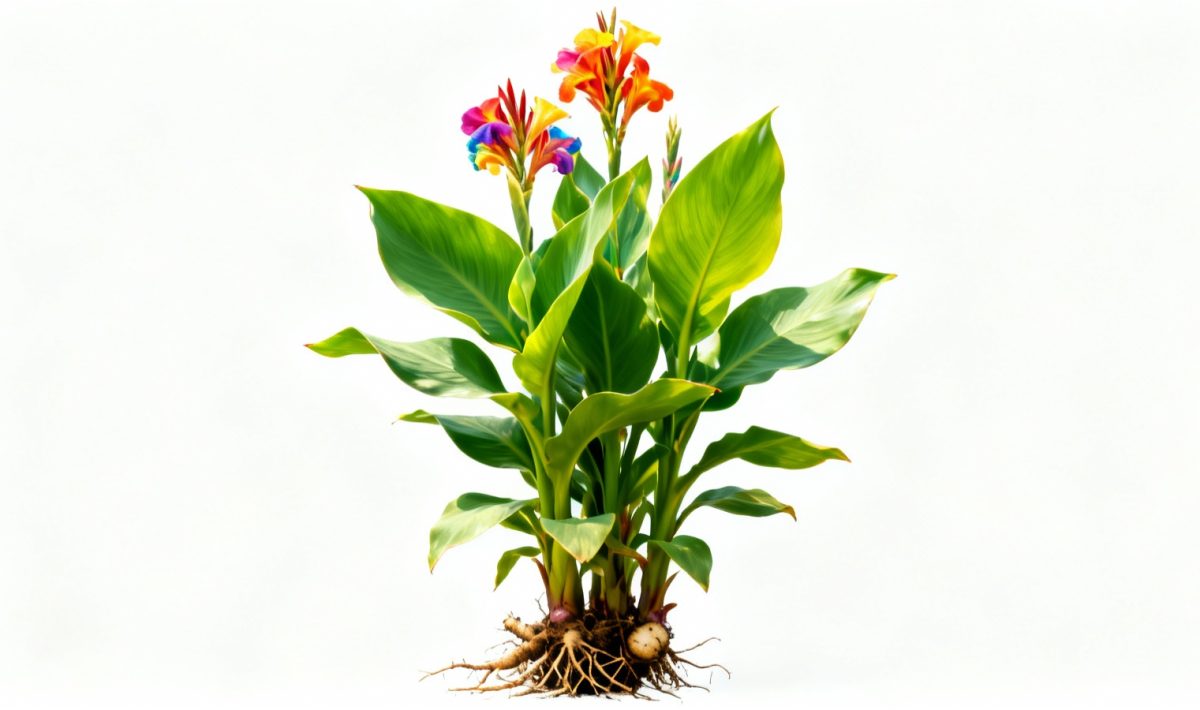
Indian shot, scientifically known as Canna indica, stands as one of the most striking tropical plants you can grow in your garden. This remarkable perennial brings bold foliage reminiscent of banana trees and vibrant red-orange flowers that bloom throughout the summer months. Originally from tropical regions, this versatile plant has captured gardeners’ hearts worldwide for its dramatic appearance and relatively straightforward care requirements.
Understanding Canna indica characteristics and growth habits
The Indian shot typically reaches heights between 1 to 1.8 meters, making it an excellent choice for creating dramatic focal points in garden beds. Its most distinctive feature lies in its large, oval-shaped leaves that can exceed 30 cm in length, creating a lush, tropical atmosphere wherever they grow. The plant develops from thick, fleshy rhizomes that can extend up to 60 cm in length, storing essential nutrients and water for sustained growth.
Flowering patterns and seasonal display
From July until the first frost arrives, Canna indica produces stunning terminal flower spikes in vibrant shades of red and orange. These narrow-petaled blooms, typically measuring 4-10 mm in width, create an impressive display that attracts both gardeners and pollinators alike. The flowering period extends well into autumn in temperate climates, providing months of continuous color in your garden space.
During winter months in temperate regions, the foliage dies back completely, allowing the plant to enter dormancy. This natural cycle makes Canna indica deciduous in cooler climates, though the underground rhizomes remain alive and ready to sprout again when warm weather returns.
Benefits of growing Indian shot in your garden
Beyond its ornamental value, Canna indica offers several practical advantages for gardeners. The plant contributes significantly to biodiversity by attracting beneficial insects and providing shelter for small wildlife. Additionally, its traditional use as a food source (known as achira in Andean regions) demonstrates its versatility beyond mere decoration.
Essential care requirements for optimal growth
Success with Indian shot begins with understanding its fundamental growing needs. These plants thrive in warm, humid conditions that mimic their tropical origins, though they adapt remarkably well to temperate garden settings with proper care.
Soil preparation and fertilization strategies
Canna indica performs best in rich, well-draining soil with plenty of organic matter incorporated throughout. Before planting, work compost or well-aged manure into the planting area to create the nutrient-dense environment these hungry plants crave. The soil pH should ideally range between 6.0 and 7.0 for optimal nutrient uptake.
Throughout the growing season, regular fertilization keeps these vigorous plants performing at their peak. Apply a balanced, slow-release fertilizer every 4-6 weeks during spring and summer. For gardeners interested in companion planting with other aromatic herbs, consider exploring care and propagation of peppermint as these plants can create interesting garden combinations.
Watering and sun exposure needs
Consistent moisture proves crucial for healthy Canna development, as these plants naturally grow in areas with abundant rainfall. Water deeply 2-3 times per week during dry periods, ensuring the soil remains evenly moist but never waterlogged. During hot summer months, daily watering may become necessary to prevent stress.
Full sun exposure brings out the best in Indian shot plants, promoting robust growth and abundant flowering. While they tolerate partial shade, reduced light typically results in taller, more spindly growth with fewer blooms. Aim for at least 6-8 hours of direct sunlight daily for optimal performance.
Year-round maintenance schedule
Spring marks the beginning of active care as new shoots emerge from dormant rhizomes. Remove any remaining dead foliage from winter and begin regular watering as soil temperatures warm. This timing also presents the perfect opportunity for dividing established clumps.
Summer care focuses on maintaining consistent moisture and deadheading spent flowers to encourage continued blooming. Regular monitoring for pests becomes important during warm months, though Canna indica generally experiences few serious problems.
As autumn approaches and temperatures begin dropping, gradually reduce watering frequency. After the first frost blackens the foliage, cut stems back to ground level and prepare rhizomes for winter storage in colder climates.
Propagation methods and timing considerations
Indian shot offers gardeners two primary propagation methods, each with distinct advantages depending on your specific goals and timeline preferences.
Rhizome division versus seed starting
Division of established rhizomes provides the fastest and most reliable method for creating new plants. This technique typically yields flowering plants within the same growing season, making it ideal for gardeners seeking immediate results. Each division should include at least one growing eye and a portion of the storage rhizome.
Seed propagation, while slower, allows for larger quantities of plants and potential genetic variation. However, seeds require warm conditions (75-80°F) and may take several weeks to germinate. Plants grown from seed typically won’t flower until their second year of growth.
Optimal planting and repotting schedules
Spring presents the ideal window for both planting new rhizomes and dividing established clumps. Wait until soil temperatures consistently reach 65°F before placing rhizomes outdoors, or start them indoors 4-6 weeks earlier for extended growing seasons.
Container-grown plants benefit from annual repotting using fresh, nutrient-rich potting mix. This practice prevents the plants from becoming rootbound and ensures continued vigorous growth throughout the season.
Research applications and ecological contributions
Recent botanical research has highlighted Canna indica’s remarkable versatility beyond traditional ornamental uses. Scientists continue studying the plant’s potential applications in sustainable agriculture and ecological restoration projects.
Environmental benefits and biodiversity support
These robust plants contribute meaningfully to garden ecosystems by providing nectar sources for pollinators and creating microhabitats for beneficial insects. Their large leaves offer cooling shade and wind protection for smaller, more delicate plants growing nearby.
The plant’s ability to thrive in various soil conditions makes it valuable for erosion control and soil stabilization projects. Its dense root system helps prevent soil loss while adding organic matter as plant materials decompose.
Traditional and alternative applications
Indigenous communities in tropical regions have long valued Canna indica as a food source, harvesting the starchy rhizomes for flour production. This traditional use demonstrates the plant’s potential role in sustainable food systems and highlights its cultural significance beyond ornamental gardening.
Modern research explores the plant’s potential in biofuel production and phytoremediation applications, showcasing how traditional garden plants continue revealing new benefits through scientific investigation.
Allan is a lifelong gardening enthusiast who still gets excited when the first seedlings pop up in spring. With a deep love for nature and a hands-in-the-soil approach, he shares practical tips, plant discoveries, and clever tricks picked up over years of digging, planting, and observing. Whether you’re a new gardener or have a shed full of tools, Allan writes like a neighbor who’s always happy to swap cuttings and stories over the fence.
You can find more about Allan’s work on Malt or connect with him on LinkedIn.