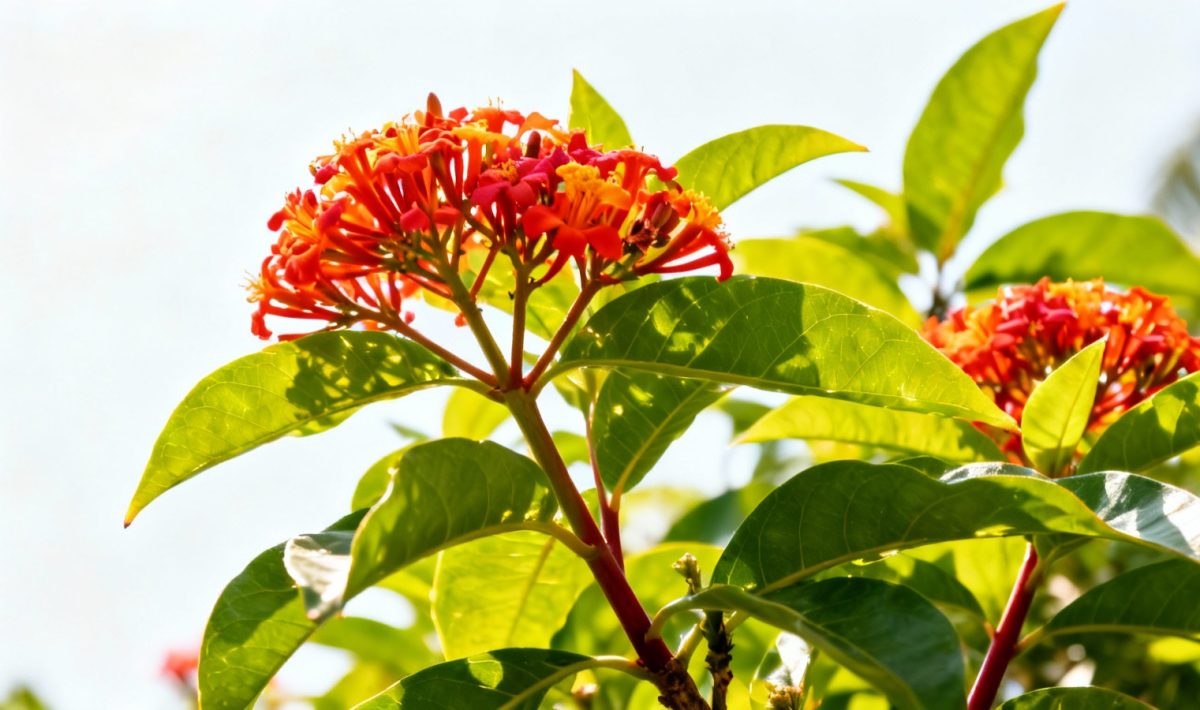
Indian shot, scientifically known as Canna indica, is a stunning ornamental plant that captivates gardeners with its vibrant flowers and lush foliage. This beautiful tropical plant has become increasingly popular among garden enthusiasts because of its dramatic appearance and relatively straightforward growing requirements. However, one question that frequently arises is: how much sunlight does Indian shot need to thrive?
The answer is quite clear – Indian shot requires at least 6 hours of direct sunlight per day for optimal growth and flowering. This light-loving plant belongs to the Cannaceae family and originates from tropical regions where abundant sunshine is the norm. When you provide your Indian shot with the right amount of light, you’ll be rewarded with spectacular blooms that come in shades of red, orange, yellow, and pink.
Optimal sunlight requirements for Indian shot
Full sun exposure is absolutely essential for Indian shot plants to reach their full potential. These plants perform best when they receive 6 to 8 hours of direct sunlight daily, though they can tolerate even more in suitable climates. The intense light helps the plant produce the energy it needs for its vigorous growth and abundant flowering.
While Indian shot can survive in partial shade conditions with as little as 4 hours of direct sunlight, you’ll notice a significant difference in performance. Plants grown in insufficient light tend to become “leggy,” stretching toward available light sources and producing fewer flowers. The foliage may also appear less vibrant, and the overall plant structure becomes weak and unstable.
Just as different vegetables have varying light requirements – much like sunlight requirements for cucumber plants – Indian shot has specific needs that must be met for healthy development. The plant uses this abundant sunlight to fuel photosynthesis, which directly impacts flower production and the development of its characteristic bold foliage.
Factors that influence light requirements
Several factors can influence how much sunlight your Indian shot actually needs. Climate plays a crucial role – in extremely hot regions, some afternoon shade might actually benefit the plant by preventing heat stress. However, morning sun is absolutely essential, as this is when the plant performs most of its photosynthetic activity.
The variety of Indian shot you’re growing can also affect its light tolerance. Some cultivars are more adaptable to varying light conditions than others, though all prefer full sun. Red-flowered varieties often seem particularly vigorous in bright conditions, while some newer hybrid varieties might tolerate slightly less intense light.
Soil conditions and water availability also interact with sunlight requirements. In well-draining, fertile soil with consistent moisture, Indian shot can handle intense sunlight much better. Poor soil or irregular watering combined with harsh sun can stress the plant, leading to wilted or scorched foliage.
Signs your Indian shot needs more light
Recognizing the symptoms of insufficient light is crucial for maintaining healthy Indian shot plants. The most obvious sign is reduced flowering – plants that don’t receive enough sunlight will produce few or no blooms, regardless of how well you care for them in other ways. This is particularly disappointing since the spectacular flowers are the main attraction of these plants.
Another clear indicator is elongated stems and sparse foliage. When Indian shot doesn’t get enough light, it stretches toward available light sources, creating tall, weak stems that are prone to breaking. The leaves may also appear pale green rather than the deep, rich green of healthy plants growing in full sun.
Poor overall vigor is another telltale sign. Plants struggling with insufficient light often appear generally unhealthy, with smaller leaves and a lacklustre appearance. They become more susceptible to pests and diseases, and their growth rate slows considerably compared to plants receiving adequate sunlight.
Solutions for improving light exposure
If your Indian shot isn’t getting enough sunlight, there are several strategies you can employ to improve the situation. The most straightforward solution is relocating the plant to a sunnier location in your garden. Look for spots that receive morning sun and aren’t shaded by buildings, fences, or other plants during the peak sunlight hours.
For container-grown Indian shot, mobility is your advantage. You can move pots to follow the sun throughout the day or relocate them seasonally as sun patterns change. This flexibility allows you to provide optimal light conditions regardless of your garden’s limitations.
Pruning nearby vegetation can also significantly increase light availability. Sometimes simply trimming overhanging branches or removing competing plants can transform a partially shaded location into a suitable spot for Indian shot. Consider the needs of other plants too – trees like optimal sunlight for sycamore trees may provide necessary shade but could be blocking light from your Indian shot.
Comparing Indian shot with other sun-loving plants
Understanding how Indian shot compares to other plants in terms of light requirements can help you plan your garden layout more effectively. Like many root vegetables, including those with ideal sunlight conditions for potatoes, Indian shot thrives in full sun conditions but serves a completely different purpose in the garden landscape.
Unlike herbs such as those requiring light exposure needs for coriander, which can tolerate some shade, Indian shot is uncompromising in its need for abundant sunlight. This makes it an excellent companion for other full-sun plants like marigolds, zinnias, and sunflowers.
When planning your garden, group Indian shot with other plants that have similar light requirements. This approach ensures that all your plants receive the conditions they need to thrive, and you won’t have to compromise on placement to accommodate plants with conflicting needs.
Maximizing sunlight for optimal growth
To get the most from your Indian shot plants, position them where they’ll receive the longest possible exposure to direct sunlight. South-facing locations are typically ideal, as they provide consistent light throughout the day. Avoid areas that receive morning shade, as this is when plants perform most of their photosynthetic activity.
Consider the seasonal sun patterns in your garden as well. A location that receives full sun in summer might become shaded in spring or fall as the sun’s angle changes. Planning for these variations ensures your Indian shot receives adequate light throughout its growing season.
Regular monitoring of your plants will help you fine-tune their placement. If you notice signs of insufficient light despite seemingly adequate exposure, consider factors like reflected light from nearby surfaces or seasonal changes in surrounding vegetation that might be affecting light availability.
Allan is a lifelong gardening enthusiast who still gets excited when the first seedlings pop up in spring. With a deep love for nature and a hands-in-the-soil approach, he shares practical tips, plant discoveries, and clever tricks picked up over years of digging, planting, and observing. Whether you’re a new gardener or have a shed full of tools, Allan writes like a neighbor who’s always happy to swap cuttings and stories over the fence.
You can find more about Allan’s work on Malt or connect with him on LinkedIn.