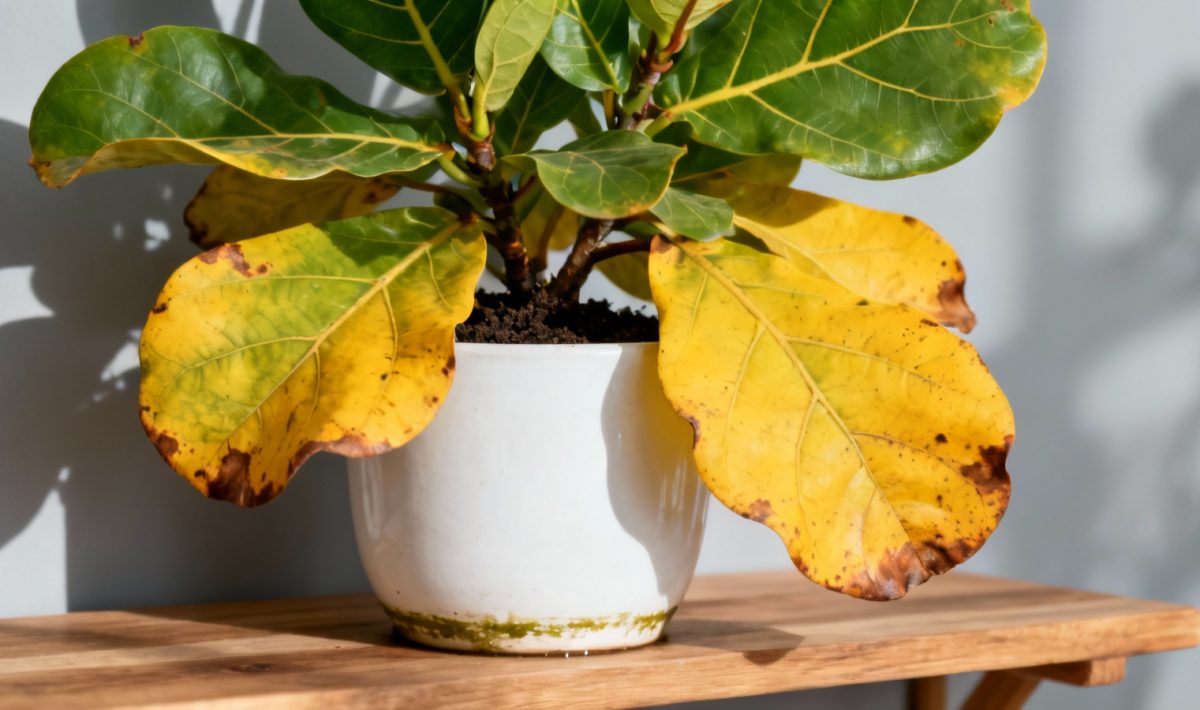
Why are my fiddle-leaf fig leaves turning yellow: causes and solutions
Nothing quite breaks a plant parent’s heart like watching their beloved fiddle-leaf fig develop yellowing leaves. This stunning houseplant, known for its glossy, violin-shaped foliage, can suddenly start showing signs of distress that leave you wondering what went wrong. The good news is that yellow leaves are often your plant’s way of communicating specific needs, and with the right approach, you can nurse your green friend back to perfect health.
Before diving into troubleshooting, it’s essential to understand what makes these tropical beauties tick. Native to western Africa, fiddle-leaf figs thrive in consistent conditions that mimic their natural habitat. They crave bright, indirect sunlight for at least six hours daily, temperatures between 65-75°F, and humidity levels around 40-50%.
These plants are particularly sensitive to changes in their environment. Even minor shifts in watering schedules, lighting conditions, or room temperature can trigger stress responses, with yellowing leaves being one of the most common symptoms. Think of your fiddle-leaf fig as a creature of habit that rewards consistency with lush, vibrant growth.
✅ Quick Checklist
Is the soil too wet or too dry?
Is the plant getting 6+ hours of sunlight daily?
Have you fertilized in the last 2 months?
Are there visible pests under the leaves?
Does the pot have adequate drainage?
🔥 FREE
📱
Diagnose your plant in one click!
AI instant diagnosis • Personalized solutions • 50,000+ species
Overwatering ranks as the number one culprit behind yellowing fiddle-leaf fig leaves. When soil remains consistently soggy, roots can’t access the oxygen they need, leading to root rot and yellowing foliage. The yellowing typically starts from the bottom leaves and works its way up, often accompanied by brown spots or a musty smell from the soil.
To check for overwatering, stick your finger about two inches into the soil. If it feels damp, hold off on watering for a few more days. A well-draining potting mix and containers with drainage holes are absolutely essential for preventing waterlogged conditions.
Underwatering stress signals
On the flip side, underwatering can also cause yellowing, though the symptoms appear slightly different. Dehydrated fiddle-leaf figs typically show yellowing that starts with crispy, brown edges before the entire leaf turns yellow and drops. The soil will feel bone dry several inches down, and leaves may appear droopy or curled.
Finding the perfect watering balance takes practice. Generally, water when the top inch of soil feels dry, providing enough water until it drains from the bottom holes. During growing season (spring and summer), this might be weekly, while winter watering can stretch to every 10-14 days.
Light-related issues
Inadequate lighting often manifests as yellowing leaves, particularly on the lower branches where light penetration is minimal. Fiddle-leaf figs need bright, indirect light to maintain their signature deep green color. Too little light causes the plant to shed older leaves to conserve energy for new growth.
Conversely, harsh direct sunlight can scorch leaves, creating yellow patches with brown, crispy areas. If your plant sits in a south-facing window with intense afternoon sun, consider filtering the light with sheer curtains or moving it back from the glass.
Nutritional deficiencies and solutions
Sometimes yellowing leaves indicate that your plant needs nutritional support. Nitrogen deficiency typically causes older leaves to yellow first, while newer growth remains green. During the growing season, monthly fertilization with a balanced liquid fertilizer diluted to half strength can prevent nutrient-related yellowing.
However, over-fertilization can be just as problematic as nutrient deficiency. Salt buildup from excessive fertilizer creates yellow leaf margins and stunted growth. If you suspect over-fertilization, flush the soil thoroughly with clean water to remove excess salts.
For comprehensive information about identifying different types of leaf yellowing, you might find it helpful to read about causes of yellowing fiddle-leaf fig leaves which covers additional diagnostic techniques.
Pest problems and disease management
Tiny pests like spider mites, scale insects, or aphids can cause yellowing by sucking plant juices from leaves. Check the undersides of leaves regularly for small moving specks, sticky honeydew, or tiny bumps that could indicate pest activity. Early detection makes treatment much more effective.
Fungal diseases, often triggered by poor air circulation or overwatering, can also cause yellowing. Look for unusual spots, fuzzy growth, or leaves that feel slimy or soft. Improving air circulation and adjusting watering practices usually helps prevent disease recurrence.
Interestingly, other plants can experience similar yellowing issues. For example, if you’re curious about different plant species, reasons for yellow japanese honeysuckle leaves might provide additional insights into plant health management.
✅ Quick Checklist
Is the soil too wet or too dry?
Is the plant getting 6+ hours of sunlight daily?
Have you fertilized in the last 2 months?
Are there visible pests under the leaves?
Does the pot have adequate drainage?
🔥 FREE
📱
Diagnose your plant in one click!
AI instant diagnosis • Personalized solutions • 50,000+ species
Once you’ve identified the likely cause, taking prompt action can save your plant. For overwatered plants, stop watering immediately and improve drainage by repotting with fresh, well-draining soil if necessary. Remove any black, mushy roots during repotting, as these indicate rot.
For underwatered plants, gradually increase watering frequency rather than giving one massive drink. Severely dehydrated plants can actually be damaged by too much water too quickly. Increase humidity around the plant by placing it on a pebble tray filled with water or using a humidifier.
Prevention strategies for long-term health
Establishing consistent care routines prevents most yellowing issues. Create a simple schedule: check soil moisture weekly, rotate the plant quarterly for even light exposure, and fertilize monthly during growing season. Keep a plant journal to track watering dates and any changes you notice.
Quarantine new plants before introducing them to your collection to prevent pest problems. Regular leaf cleaning with a damp cloth not only keeps your fiddle-leaf fig looking gorgeous but also helps you spot potential issues early.
Remember that some leaf drop is completely normal, especially for older leaves or when plants are adjusting to new environments. Don’t panic over one or two yellow leaves – focus on overall plant health and consistent care practices.
With patience and attention to these key factors, your fiddle-leaf fig can recover from yellowing leaves and return to its stunning, glossy-green glory. The key is observing your plant closely and responding to its specific needs rather than following rigid watering schedules or generic advice.
Allan is a lifelong gardening enthusiast who still gets excited when the first seedlings pop up in spring. With a deep love for nature and a hands-in-the-soil approach, he shares practical tips, plant discoveries, and clever tricks picked up over years of digging, planting, and observing. Whether you’re a new gardener or have a shed full of tools, Allan writes like a neighbor who’s always happy to swap cuttings and stories over the fence.
You can find more about Allan’s work on Malt or connect with him on LinkedIn.