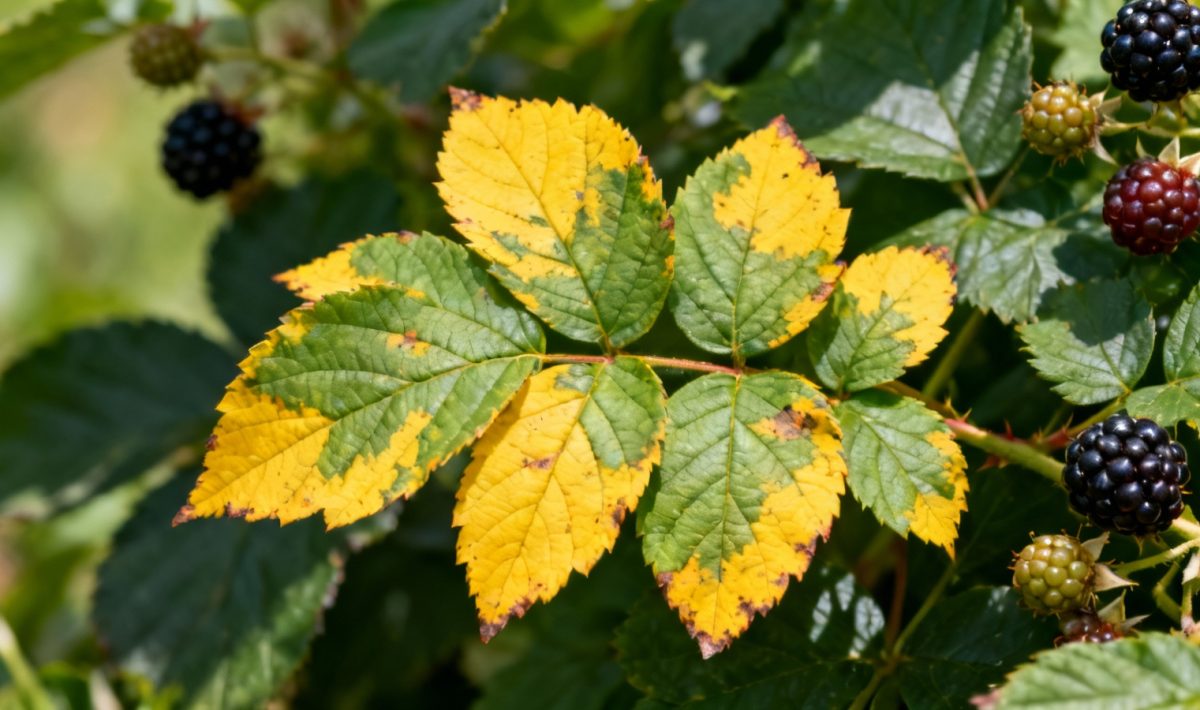
Why are my common blackberry leaves turning yellow – plant care solutions
Nothing’s more frustrating than watching your beautiful blackberry plant develop yellow leaves when you’re expecting a bountiful harvest. This common issue affects many gardeners, but the good news is that yellowing leaves are often your plant’s way of telling you exactly what it needs. Understanding these signals can help you restore your blackberry’s vibrant green foliage and ensure healthy fruit production for years to come.
Blackberry leaves serve as the plant’s powerhouse, converting sunlight into energy through photosynthesis. When these leaves are healthy, they display a rich green color and maintain their shape throughout the growing season. However, when something disrupts this natural process, yellowing becomes one of the first visible symptoms.
The common blackberry plant is actually quite resilient, but it requires specific conditions to thrive. These perennial plants produce fresh canes each year, and the health of their foliage directly impacts fruit quality and quantity. A well-maintained blackberry plant can produce fruit for many years, making it essential to address any leaf issues promptly.
✅ Quick Checklist
Is the soil too wet or too dry?
Is the plant getting 6+ hours of sunlight daily?
Have you fertilized in the last 2 months?
Are there visible pests under the leaves?
Does the pot have adequate drainage?
🔥 FREE
📱
Diagnose your plant in one click!
AI instant diagnosis • Personalized solutions • 50,000+ species
Water stress ranks as one of the most common culprits behind yellowing blackberry leaves. Both overwatering and underwatering can trigger this response, though they manifest slightly differently. Overwatered plants often develop yellow leaves that feel soft and may show signs of root rot, while underwatered plants produce yellow leaves that appear crisp and dry.
Soil conditions play a crucial role in leaf health as well. Blackberries prefer well-draining soil with a pH between 5.5 and 6.5. When soil becomes too compacted or poorly drained, roots struggle to absorb nutrients effectively, leading to yellowing foliage. Additionally, extreme temperature fluctuations can shock the plant, causing leaves to turn yellow as a protective mechanism.
Sunlight exposure also affects leaf coloration significantly. While blackberries need full sun to produce the best fruit, insufficient light can cause lower leaves to yellow and drop as the plant redirects energy to upper foliage. Conversely, intense afternoon sun in very hot climates may scorch leaves, causing them to yellow and brown around the edges.
Nutritional deficiencies and their symptoms
Nitrogen deficiency is perhaps the most recognizable nutritional issue affecting blackberry plants. When plants lack adequate nitrogen, older leaves turn yellow first, starting from the bottom of the plant and working upward. This happens because the plant mobilizes nitrogen from older leaves to support new growth, making this a very systematic yellowing pattern.
Iron deficiency presents differently, causing yellowing between leaf veins while the veins themselves remain green. This condition, known as iron chlorosis, often occurs in alkaline soils where iron becomes unavailable to the plant roots. Similarly, magnesium deficiency causes yellowing between veins but typically affects older leaves first.
Potassium deficiency manifests as yellowing leaf edges that may progress to brown, scorched-looking margins. This nutrient is essential for overall plant health and fruit development, so addressing potassium deficiency quickly is crucial for maintaining a productive blackberry plant.
Common diseases and pest issues
Several fungal diseases can cause blackberry leaves to turn yellow. Anthracnose, a common fungal infection, creates small purple spots on leaves that eventually turn yellow and drop off. This disease thrives in humid conditions and can spread rapidly through a blackberry patch if left untreated.
Spider mites are tiny pests that can cause significant yellowing, especially during hot, dry weather. These microscopic creatures feed on leaf cells, creating a stippled, yellow appearance that may be accompanied by fine webbing on the undersides of leaves. Similar leaf yellowing patterns can affect other plants too, as seen with reasons for yellowing honeysuckle leaves where environmental stress and pests create comparable symptoms.
Aphids also contribute to yellowing by sucking plant juices and potentially transmitting viral diseases. These soft-bodied insects cluster on new growth and can cause leaves to curl and yellow. Additionally, their honeydew secretions can lead to sooty mold growth, further compromising plant health.
Solutions and prevention strategies
Addressing water management is your first line of defense against yellowing leaves. Establish a consistent watering schedule that provides deep, infrequent irrigation rather than frequent shallow watering. During hot summer months, blackberries may need watering twice weekly, while cooler periods require less frequent irrigation.
Soil improvement through organic matter addition can resolve many underlying issues. Incorporate compost, aged manure, or leaf mold into the planting area to improve drainage, nutrient availability, and soil structure. This creates an environment where roots can thrive and efficiently absorb nutrients.
For nutritional deficiencies, balanced fertilizer application in early spring provides essential nutrients for the growing season. Use a 10-10-10 fertilizer or organic equivalent, applying according to package directions. Supplement with specific nutrients as needed based on soil test results or observed symptoms.
✅ Quick Checklist
Is the soil too wet or too dry?
Is the plant getting 6+ hours of sunlight daily?
Have you fertilized in the last 2 months?
Are there visible pests under the leaves?
Does the pot have adequate drainage?
🔥 FREE
📱
Diagnose your plant in one click!
AI instant diagnosis • Personalized solutions • 50,000+ species
Preventing fungal diseases starts with proper air circulation around your plants. Space blackberry canes appropriately and remove any dead or diseased material promptly. Apply fungicide treatments preventively if you’ve had issues in previous years, focusing on copper-based products for organic management.
For pest control, regular monitoring helps catch problems early. Inspect leaves weekly for signs of spider mites, aphids, or other insects. Beneficial insects like ladybugs and predatory mites can help control pest populations naturally. When necessary, insecticidal soap or neem oil provides effective organic control options. These yellowing issues aren’t unique to blackberries, as causes of yellowing juniper leaves demonstrate similar patterns in evergreen plants facing environmental stress.
Maintaining plant health through proper pruning also reduces disease pressure. Remove old canes after fruiting, thin overcrowded areas, and ensure good light penetration throughout the plant. This creates an environment that’s less favorable for disease development while promoting vigorous new growth.
Seasonal care and long-term maintenance
Spring maintenance sets the foundation for healthy leaf development throughout the growing season. Apply a balanced fertilizer when new growth begins, mulch around plants to conserve moisture and suppress weeds, and establish regular watering schedules before hot weather arrives.
Summer care focuses on consistent moisture management and pest monitoring. During the hottest months, provide additional water and consider temporary shade cloth if temperatures regularly exceed 95°F. Regular harvest of ripe fruit also helps maintain plant energy and reduces disease pressure.
Fall preparation involves gradually reducing water as temperatures cool and daylight hours decrease. This natural transition helps plants prepare for dormancy without shocking them with sudden changes. Remove any remaining diseased foliage and apply a final compost application to feed soil organisms through winter.
With proper attention to these factors, your blackberry plants can maintain healthy, green foliage throughout the growing season while producing abundant, delicious fruit. Remember that yellowing leaves are often your plant’s way of communicating its needs, so learning to read these signals will make you a more successful gardener year after year.
Allan is a lifelong gardening enthusiast who still gets excited when the first seedlings pop up in spring. With a deep love for nature and a hands-in-the-soil approach, he shares practical tips, plant discoveries, and clever tricks picked up over years of digging, planting, and observing. Whether you’re a new gardener or have a shed full of tools, Allan writes like a neighbor who’s always happy to swap cuttings and stories over the fence.
You can find more about Allan’s work on Malt or connect with him on LinkedIn.