Why are my persian silk tree leaves turning yellow – mediterranean gardening solutions
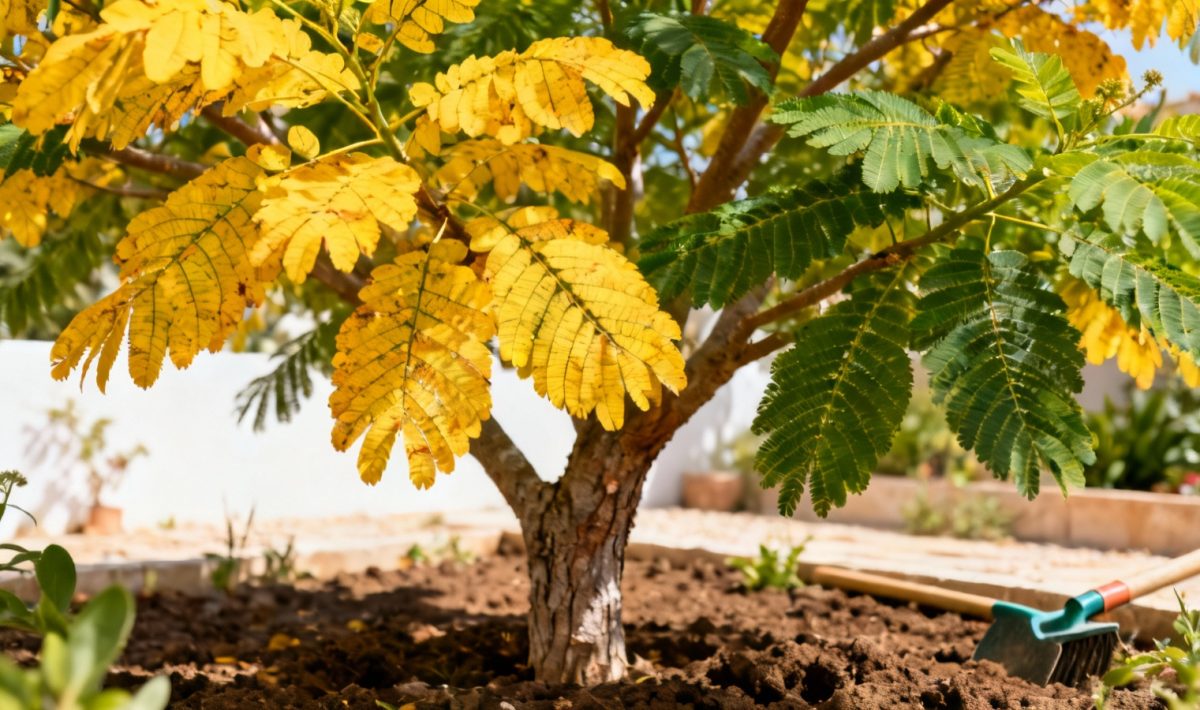
Nothing’s more frustrating than watching your beautiful persian silk tree’s leaves turn yellow when you’ve been caring for it with love. But don’t worry – yellowing leaves are actually your tree’s way of telling you something specific, and with the right knowledge, you can get it back to its gorgeous, healthy state.
Persian silk trees are stunning ornamental species that can thrive in mediterranean climates, but they do have particular needs. When those feathery leaves start changing color, it’s usually one of several common issues that are completely fixable with a bit of know-how.
Water issues are by far the most common reason for yellowing leaves on persian silk trees. These beautiful trees need just the right amount of moisture – not too much, not too little.
Overwatering symptoms and consequences
When you give your tree too much water, the roots can’t breathe properly and start to rot. You’ll notice yellowing leaves that feel soft and mushy, often starting from the bottom branches and working their way up. The soil around the base will feel soggy and might even smell a bit off.
Overwatering is more dangerous than underwatering because it can kill the root system. If you suspect this is the issue, stop watering immediately and let the soil dry out completely before resuming a more moderate watering schedule.
✅ Quick Checklist
Is the soil too wet or too dry?
Is the plant getting 6+ hours of sunlight daily?
Have you fertilized in the last 2 months?
Are there visible pests under the leaves?
Does the pot have adequate drainage?
🔥 FREE
📱
Diagnose your plant in one click!
AI instant diagnosis • Personalized solutions • 50,000+ species
On the flip side, persian silk trees that don’t get enough water will also develop yellow leaves, but these will feel dry and crispy to the touch. The yellowing usually starts at the leaf tips and edges before spreading inward.
During spring and summer, your tree needs consistent moisture but not waterlogged conditions. Check the soil about 2 inches down – if it’s bone dry, it’s time for a good drink. In mediterranean climates, this might mean watering 2-3 times per week during hot periods.
Nutrient deficiencies and their impact
Just like people need vitamins, your persian silk tree needs specific nutrients to keep those leaves green and healthy. When essential nutrients are missing, yellowing is often the first sign.
Essential nutrient shortages
Nitrogen deficiency is probably the most common culprit. When your tree doesn’t get enough nitrogen, older leaves turn yellow first while new growth stays green. Iron deficiency causes yellowing between the leaf veins, creating a distinctive pattern that’s pretty easy to spot.
Magnesium deficiency shows up as yellowing that starts at the leaf edges and moves inward, leaving the veins green for longer. These nutrient issues are more common in sandy soils or if you haven’t fertilized in over a year.
Similar yellowing patterns can be seen in other plants, and causes of yellowing honeysuckle leaves often share these same nutritional factors that affect many garden species.
Fertilizer burn and excess nutrients
Believe it or not, too much fertilizer can be just as problematic as too little. Over-fertilizing, especially with high-nitrogen commercial fertilizers, can cause leaf burn that looks like yellowing or browning at the tips and edges.
If you’ve recently fertilized and notice sudden yellowing within a week or two, you might have applied too much. Flush the soil with water to dilute the excess nutrients and wait before applying any more fertilizer.
Environmental stress factors
Persian silk trees are generally tough, but extreme environmental conditions can definitely stress them out enough to cause yellowing leaves.
Temperature extremes and seasonal changes
Sudden temperature drops in spring or late heat waves can shock your tree into dropping leaves. This is especially common with ornamental species that aren’t fully established yet.
If you’ve had an unusually hot summer or late frost, don’t panic if you see some yellowing. The tree is just protecting itself by shedding stressed leaves. Make sure it gets adequate water during these extreme periods.
Light exposure issues
Persian silk trees love full sun – they need at least 6 hours of direct sunlight daily to thrive. If your tree isn’t getting enough light because of new construction, growing nearby trees, or being moved to a shadier spot, the leaves will start yellowing from lack of photosynthesis.
On the other hand, sudden exposure to intense sunlight after being in partial shade can also cause leaf burn that looks like yellowing. This is more common when moving potted trees or after pruning nearby vegetation.
Many ornamental trees experience similar light-related stress, and understanding yellow leaves on autograph trees can provide additional insights into how light exposure affects different species.
Pest and disease considerations
While less common than water and nutrient issues, pests and diseases can definitely cause yellowing leaves on persian silk trees.
Check the undersides of yellowing leaves for tiny insects like aphids or spider mites. These pests suck the sap from leaves, causing them to yellow and eventually drop. You might also notice small webs or sticky honeydew residue.
Root rot from fungal diseases can also cause yellowing, but this usually comes with other symptoms like wilting or a foul smell from the soil. If you suspect disease, it’s worth having a soil sample tested.
✅ Quick Checklist
Is the soil too wet or too dry?
Is the plant getting 6+ hours of sunlight daily?
Have you fertilized in the last 2 months?
Are there visible pests under the leaves?
Does the pot have adequate drainage?
🔥 FREE
📱
Diagnose your plant in one click!
AI instant diagnosis • Personalized solutions • 50,000+ species
Now that you know what might be causing those yellow leaves, here’s your action plan to get your persian silk tree back on track:
Check soil moisture first – Stick your finger 2-3 inches into the soil to assess if it’s too wet or too dry
Adjust watering schedule – Water deeply but less frequently, allowing soil to dry slightly between waterings
Evaluate sun exposure – Ensure your tree gets at least 6 hours of direct sunlight daily
Consider fertilization – Apply balanced fertilizer if you haven’t fed the tree in over 6 months
Inspect for pests – Look under leaves and around the base for signs of insects or disease
Remember, persian silk trees are resilient ornamental species that usually bounce back quickly once their needs are met. With proper care and attention to these key factors, you should see new green growth appearing within a few weeks. The key is being observant and responsive to what your tree is telling you through those changing leaves.
Allan is a lifelong gardening enthusiast who still gets excited when the first seedlings pop up in spring. With a deep love for nature and a hands-in-the-soil approach, he shares practical tips, plant discoveries, and clever tricks picked up over years of digging, planting, and observing. Whether you’re a new gardener or have a shed full of tools, Allan writes like a neighbor who’s always happy to swap cuttings and stories over the fence.
You can find more about Allan’s work on Malt or connect with him on LinkedIn.