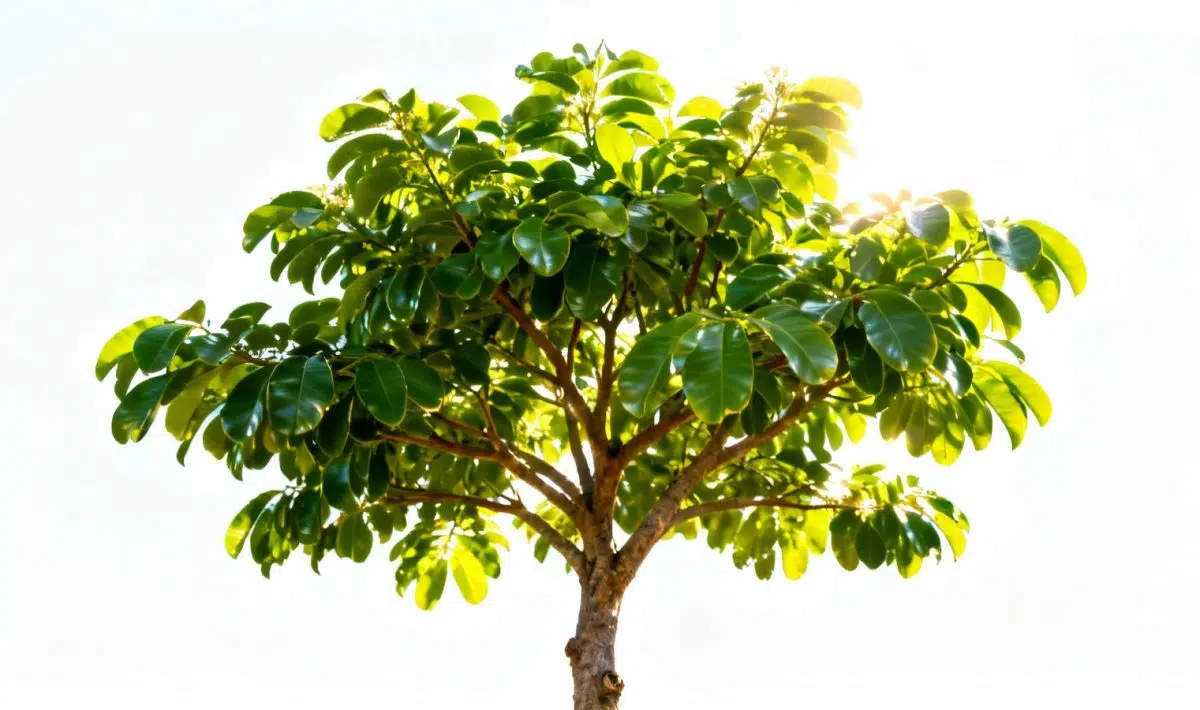
How much sunlight does Persian silk tree need for optimal growth
The Persian silk tree, scientifically known as Albizia julibrissin, captivates gardeners with its delicate pink blooms and feathery foliage. However, understanding how much sunlight this beautiful tree needs can make the difference between a thriving specimen and a struggling plant. This magnificent tree has specific light requirements that directly impact its growth, flowering, and overall health.
Understanding the sunlight requirements of Persian silk tree
The Persian silk tree thrives best with full sun exposure, requiring at least 6 hours of direct sunlight daily. This amount of light ensures optimal photosynthesis, promoting vigorous growth and abundant flowering during the summer months. When planted in ideal conditions, this tree can reach impressive heights of 20-40 feet with a spreading canopy that provides excellent shade.
Full sun exposure encourages the development of the tree’s signature pink, fluffy flowers that bloom from late spring through summer. These delicate blooms are not just beautiful but also attract beneficial pollinators to your garden. The tree’s fernlike leaves also develop their best color and density when receiving adequate sunlight throughout the growing season.
While the Persian silk tree can tolerate partial shade, reduced light conditions often result in less vigorous growth and fewer flowers. Trees grown in partial shade typically produce a more open canopy and may struggle to develop the classic umbrella-shaped form that makes this species so attractive in landscape settings.
Optimal growing conditions for healthy development
Beyond sunlight requirements, several environmental factors work together to create ideal growing conditions for the Persian silk tree. Well-draining soil is crucial, as this tree cannot tolerate waterlogged conditions that can lead to root rot. The combination of full sun and proper drainage creates the foundation for healthy root development and strong growth.
Temperature also plays a significant role in the tree’s success. Persian silk trees are hardy in USDA zones 6-9, where they can withstand winter temperatures while still receiving adequate warmth during the growing season. In these zones, the tree benefits from long, sunny days that support continuous growth and flower production.
Soil type matters as well, though this adaptable tree can grow in various soil conditions. Sandy loam or clay loam soils that drain well provide the best foundation. Just as different plants have varying needs, similar to how sunlight requirements for octopus tree differ from other species, the Persian silk tree has its own specific preferences that gardeners should understand.
Placement strategies for maximum sun exposure
Choosing the right location in your garden is critical for meeting the Persian silk tree’s sunlight needs. Look for areas that receive morning sun, which helps dry dew from the leaves and reduces the risk of fungal diseases. Southern and western exposures typically provide the most consistent sunlight throughout the day.
Avoid planting near large buildings, mature trees, or other structures that cast shadows during peak sun hours. The tree should have enough space to develop its natural spreading habit without competition from nearby plants for light. Consider the mature size of the tree when selecting a planting site to ensure it won’t be shaded by future construction or landscape changes.
If you’re working with a smaller garden space, you might consider how other plants manage in similar conditions. For instance, understanding light needs of mother of thousands can provide insights into how different species adapt to varying light conditions in confined spaces.
Evaluating your garden’s light patterns
Before planting, spend time observing your garden’s light patterns throughout the day. Mark areas that receive continuous sunlight from morning until late afternoon. These observations should be done during different seasons, as the sun’s angle changes significantly between summer and winter months.
Use a simple method to track sunlight: check your potential planting area every two hours from sunrise to sunset. Record whether the area is in full sun, partial sun, or shade. This information will help you make an informed decision about where to plant your Persian silk tree for optimal growth.
Care techniques to maximize light benefits
Once your Persian silk tree is established in a sunny location, proper care techniques can help maximize the benefits of that sunlight exposure. Regular watering during dry periods ensures the tree can efficiently use the energy it produces through photosynthesis. Deep, infrequent watering encourages strong root development that supports the tree’s ability to access nutrients.
Pruning also plays a role in light management. Remove any dead, damaged, or crossing branches to ensure good air circulation and light penetration throughout the canopy. This practice helps prevent disease and encourages healthy growth patterns. Just as indoor plants like optimal light for zanzibar gem benefit from strategic positioning, outdoor trees benefit from thoughtful pruning to optimize light exposure.
Mulching around the base of the tree helps retain soil moisture and regulate soil temperature, both of which support the tree’s ability to process sunlight efficiently. A 2-3 inch layer of organic mulch extends about 3 feet from the trunk, creating an ideal growing environment.
Seasonal considerations for sunlight exposure
Understanding how seasonal changes affect sunlight availability helps you provide better care for your Persian silk tree. During winter months, the sun sits lower in the sky, potentially creating different shade patterns in your garden. However, since the tree is deciduous, reduced winter sunlight is less critical than ensuring adequate light during the growing season.
Spring and summer are when the tree requires maximum sunlight exposure. This is when new growth emerges, flowers develop, and the tree stores energy for the following year. Monitor for any new shade sources that might develop, such as growing neighboring trees or new construction that could impact your tree’s light access.
Common challenges and solutions
Sometimes gardeners face challenges in providing adequate sunlight for their Persian silk tree. If your tree isn’t receiving enough light, symptoms may include sparse flowering, weak growth, or an open, leggy appearance. These issues often develop gradually, making them difficult to notice until they become significant problems.
One solution is selective pruning of surrounding vegetation that may be casting unwanted shade. However, be cautious about removing established landscape features without considering the overall garden ecosystem. Other plants in your landscape may have different light requirements, similar to how sunlight needs for common chokecherry vary from those of the Persian silk tree.
If shade issues cannot be resolved through pruning, consider relocating young trees during dormancy. Mature Persian silk trees are more challenging to move, so early intervention is key. When relocating, choose a site that meets all the sunlight requirements while also providing adequate space for the tree’s mature size.
For trees that must remain in less-than-ideal light conditions, focus on providing excellent care in other areas. Ensure proper watering, fertilization, and pruning to help the tree make the most of available sunlight. While the tree may not reach its full potential in partial shade, good overall care can still result in a healthy, attractive specimen.
Long-term benefits of proper sunlight exposure
Providing adequate sunlight for your Persian silk tree pays dividends over time. Trees that receive proper light exposure develop strong branch structures, dense canopies, and reliable flowering patterns. These characteristics contribute to the tree’s longevity and its value as a landscape feature.
Well-lit Persian silk trees also demonstrate better resistance to pests and diseases. Strong, healthy trees can better defend against environmental stresses and recover more quickly from any damage they might sustain. The investment in proper siting and care during the tree’s early years results in decades of beauty and enjoyment in your garden.
Allan is a lifelong gardening enthusiast who still gets excited when the first seedlings pop up in spring. With a deep love for nature and a hands-in-the-soil approach, he shares practical tips, plant discoveries, and clever tricks picked up over years of digging, planting, and observing. Whether you’re a new gardener or have a shed full of tools, Allan writes like a neighbor who’s always happy to swap cuttings and stories over the fence.
You can find more about Allan’s work on Malt or connect with him on LinkedIn.