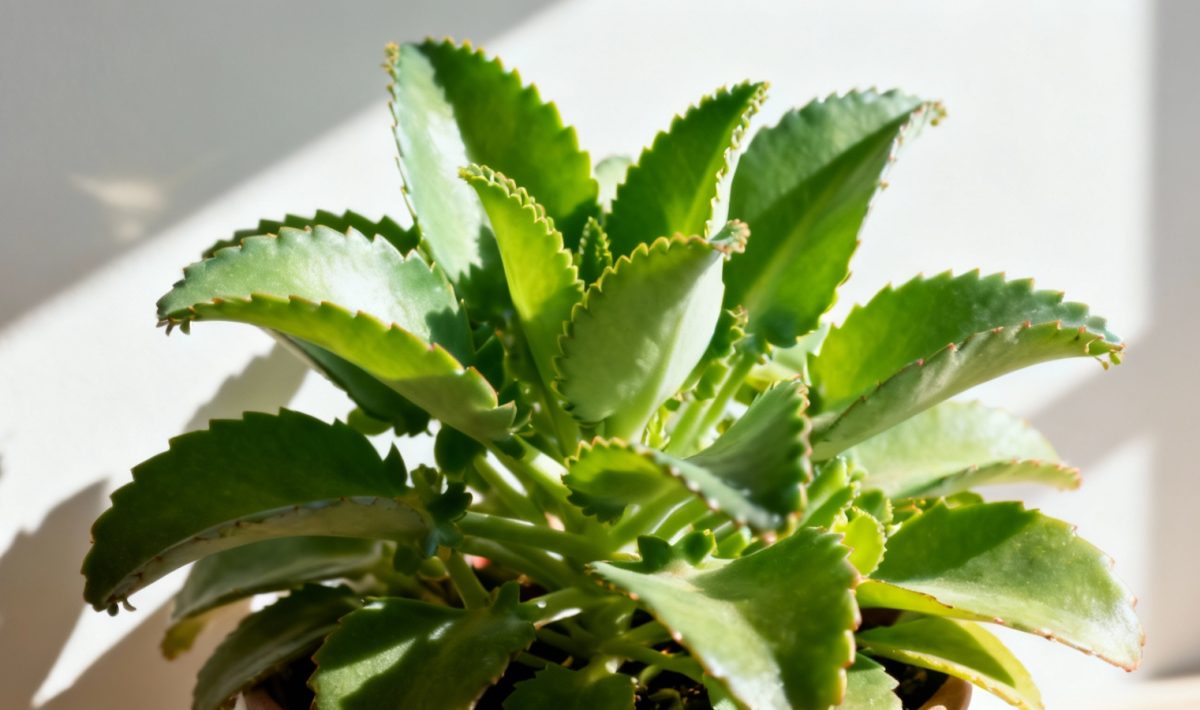
How much sunlight does mother of thousands need for healthy growth
Mother of Thousands (Kalanchoe laetivirens) is one of those fascinating plants that seems almost magical with its ability to produce baby plantlets along its leaf edges. But here’s the thing – getting the lighting right is absolutely crucial for this plant to thrive and show off its incredible reproductive features. You’ll want to understand exactly how much sunlight your Mother of Thousands needs before you invest in one.
This unique succulent requires at least 6 hours of bright light daily to maintain its vibrant green color and healthy growth pattern. Without proper lighting, you’ll quickly notice your plant becoming leggy, pale, and losing that robust appearance that makes it such a desirable addition to any plant collection.
Understanding the sunlight needs of Mother of Thousands
The type of light your Kalanchoe laetivirens receives makes all the difference in its overall health and appearance. This plant naturally thrives in bright conditions, but the intensity and duration matter significantly. During peak growing season, you’ll want to provide at least 6 to 8 hours of bright light daily.
Direct morning sunlight works wonderfully for this plant, especially when followed by bright indirect light during the afternoon hours. This combination prevents leaf burn while ensuring your plant gets the energy it needs for producing those characteristic baby plantlets. Just like with sunlight requirements for octopus trees, finding the right balance is key to success.
Indoor growers should position their Mother of Thousands near east or south-facing windows for optimal results. The plant will communicate its lighting preferences through its growth patterns – healthy specimens develop thick, fleshy leaves with well-defined plantlet production along the margins.
Indoor lighting solutions for optimal growth
When natural light isn’t sufficient, especially during winter months, you’ll need to supplement with artificial lighting. LED grow lights work exceptionally well for Mother of Thousands, providing the full spectrum these plants crave. Position lights 12 to 18 inches above your plant for 10 to 12 hours daily.
The key is maintaining consistency in your lighting schedule. Plants respond better to regular light cycles than sporadic bright periods followed by darkness. Consider investing in a timer for your grow lights to ensure your Kalanchoe receives steady illumination.
Similar to how optimal sunlight for zanzibar gem requirements vary by season, you’ll need to adjust your indoor lighting setup as daylight hours change throughout the year.
Signs your plant needs more light
Recognizing light deficiency early can save your Mother of Thousands from permanent damage. Watch for these telltale signs that indicate your plant isn’t receiving adequate illumination:
Stretching or etiolation – stems become unusually long and weak
Pale or yellowish leaf color instead of vibrant green
Reduced plantlet production along leaf edges
Leaves turning toward available light sources
Overall drooping or weakened appearance
These symptoms develop gradually, so regular monitoring helps catch issues before they become severe. Quick adjustments to lighting conditions usually reverse these problems within a few weeks.
Outdoor placement and seasonal considerations
Growing Mother of Thousands outdoors offers excellent results when you choose the right location. Morning sun with afternoon shade works perfectly in most climates. This arrangement provides intense light when the plant can best utilize it while protecting against harsh afternoon heat.
In regions with intense summer heat, consider providing shade cloth during the hottest months. Your plant will appreciate protection from scorching midday sun that can cause permanent leaf damage. Much like sunlight needs of common chokecherry, these plants benefit from thoughtful positioning rather than maximum exposure.
Winter placement requires different strategies depending on your climate zone. In colder areas, you’ll need to bring plants indoors or provide frost protection while maintaining adequate light levels.
Seasonal light adjustments
Understanding how to modify light exposure throughout the year keeps your Mother of Thousands healthy regardless of seasonal changes. During spring and fall, gradually transition your plant between indoor and outdoor conditions over 7 to 10 days to prevent shock.
Summer care involves monitoring for heat stress signs such as leaf curling or brown spots. Providing morning sun followed by filtered afternoon light prevents these issues while maintaining the robust growth you want from your Kalanchoe.
Shopping for quality Mother of Thousands plants
When you’re ready to purchase your own Mother of Thousands, selecting a healthy specimen from reputable sellers ensures success from day one. Look for plants with thick, succulent leaves showing active plantlet development along the margins. These indicators suggest the plant has received proper care and lighting.
Online marketplaces like eBay offer extensive selections from various sellers worldwide. Check seller ratings and read recent customer evaluations before making your purchase. Positive feedback regarding shipping methods and plant quality gives you confidence in your transaction.
Many specialized plant sellers now offer guaranteed shipping with fast delivery services, ensuring your new plant arrives in excellent condition. This service becomes particularly valuable when ordering during extreme weather conditions that might stress plants during transport.
Just as gardeners research sunlight for hollyhock blooms before planting, taking time to verify seller credentials protects your investment and ensures you receive a premium quality Kalanchoe specimen.
What to look for in online plant purchases
Quality sellers provide detailed descriptions of their plants including size, age, and current condition. They often include multiple photos showing the actual plant you’ll receive rather than generic stock images. Communication with the seller before purchase helps clarify any questions about care requirements or shipping timelines.
Premium sellers often include care instructions and sometimes provide guarantees on plant health upon arrival. These added services demonstrate their commitment to customer satisfaction and plant quality.
Maximizing your Mother of Thousands’ potential
Proper lighting sets the foundation for everything else your Mother of Thousands will do. With adequate light, you’ll see increased plantlet production, vibrant leaf coloration, and overall robust growth that makes this plant such a conversation starter.
The fascinating reproductive ability of this plant becomes most apparent under optimal lighting conditions. Those tiny baby plants developing along leaf edges will be larger, more numerous, and ready for transplanting much sooner when the parent plant receives proper illumination.
Consider the long-term benefits of investing in quality lighting equipment or finding the perfect outdoor location. Your initial effort in getting the light right pays dividends in plant health, reproduction success, and overall satisfaction with your gardening results.
Understanding these lighting principles also applies to other light-loving plants in your collection. Knowledge about proper illumination transfers well to species like sunlight conditions for silver maples, making you a more successful gardener overall.
Whether you choose to grow your Mother of Thousands indoors or outdoors, maintaining consistent, adequate lighting ensures this remarkable plant will reward you with years of fascinating growth and countless baby plants to share with fellow gardening enthusiasts.
Allan is a lifelong gardening enthusiast who still gets excited when the first seedlings pop up in spring. With a deep love for nature and a hands-in-the-soil approach, he shares practical tips, plant discoveries, and clever tricks picked up over years of digging, planting, and observing. Whether you’re a new gardener or have a shed full of tools, Allan writes like a neighbor who’s always happy to swap cuttings and stories over the fence.
You can find more about Allan’s work on Malt or connect with him on LinkedIn.