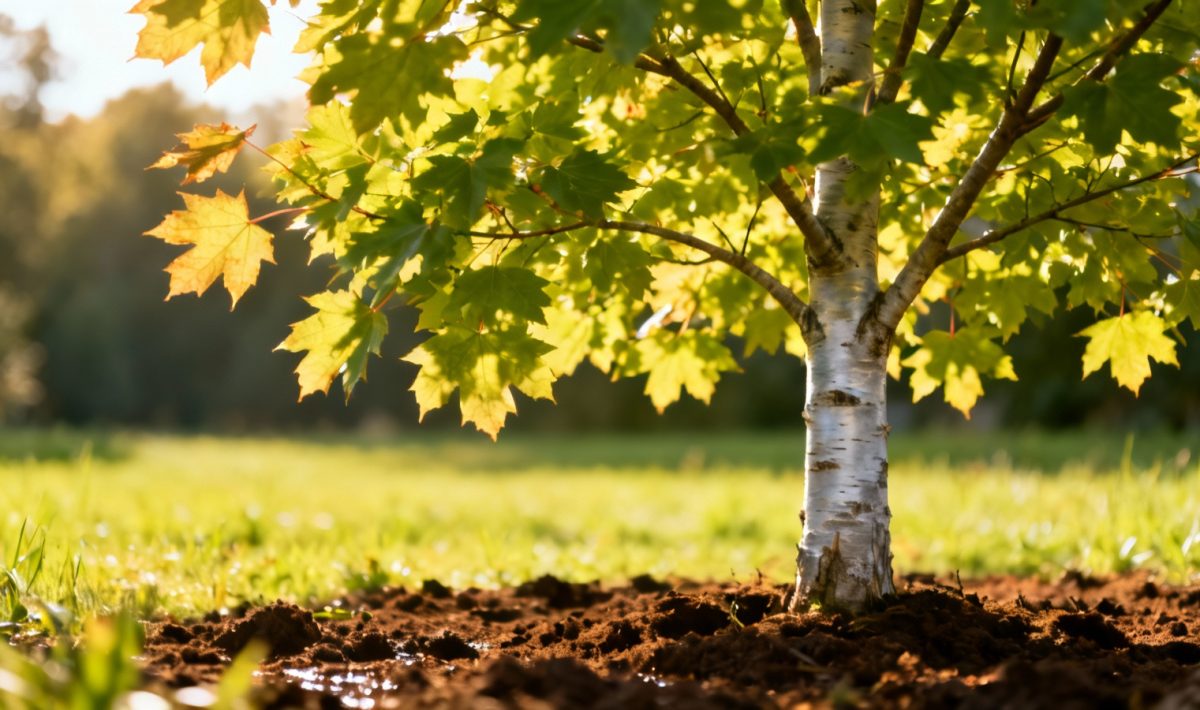
Silver maple trees are remarkably adaptable when it comes to sunlight requirements. These fast-growing trees can thrive in full sun, partial shade, or even areas with filtered light. However, understanding their specific needs will help you make informed decisions about where to plant and how to care for your silver maple.
The silver maple (Acer saccharinum) naturally grows in floodplains and river valleys, where it often receives full to partial sunlight throughout the day. This natural habitat gives us valuable clues about their light preferences and tolerance levels.
Optimal sunlight conditions for silver maple
For the best growth and health, silver maple trees prefer full sun to partial shade conditions. Full sun means at least 6-8 hours of direct sunlight daily, while partial shade typically involves 4-6 hours of direct sunlight. When silver maple receives adequate sunlight, it develops a strong trunk and robust branching structure.
In full sun conditions, these trees can grow exceptionally fast, sometimes adding 3-5 feet in height annually. The abundant sunlight helps the tree photosynthesize efficiently, producing the energy needed for rapid growth and strong wood formation. Just as different plants have varying needs, such as how much sunlight requirements for Kentucky bluegrass differs from tree requirements, understanding your specific plant’s needs is crucial.
Benefits of adequate sunlight exposure
When silver maple receives sufficient sunlight, several positive outcomes occur. The tree develops better resistance to diseases and pests, creates denser foliage, and produces more vibrant fall colors. Additionally, proper sunlight exposure helps the tree develop a more balanced canopy structure.
Trees with good sun exposure also tend to have stronger wood, making them more resistant to storm damage and wind. This is particularly important for silver maple, which can grow quite large and needs structural integrity to support its mature size.
Impact of insufficient sunlight
While silver maple can tolerate some shade, insufficient sunlight can lead to several issues. Trees grown in too much shade often develop weak, spindly growth patterns and may become more susceptible to various diseases and pest problems.
In heavily shaded conditions, silver maple may exhibit slower growth rates and develop a sparse canopy. The lack of adequate sunlight forces the tree to stretch toward available light sources, often resulting in an unbalanced or leaning growth pattern that can compromise the tree’s long-term stability.
Signs of light stress in silver maple
When your silver maple isn’t receiving enough sunlight, you might notice several warning signs. The tree may produce fewer leaves, display pale or yellowing foliage, or show reduced overall vigor. Branch growth may become elongated and weak as the tree attempts to reach better light sources.
Another common sign is increased susceptibility to fungal diseases, which thrive in the humid, poorly-ventilated conditions often found in heavily shaded areas. Monitoring these signs helps you determine whether your tree needs better light exposure.
Practical planting considerations
When selecting a location for your silver maple, consider both current and future sunlight conditions. Young trees planted near buildings or other trees may receive adequate light initially, but as surrounding vegetation grows, the available sunlight can decrease significantly.
Choose a planting site that receives morning sun, as this helps dry dew from leaves early in the day, reducing disease risk. Eastern or southern exposures typically provide the best light conditions for silver maple growth. Similar to how optimal sunlight for Mediterranean cypress requires careful consideration of placement, planning your maple’s location is essential.
Managing competition for light
Silver maple can become quite competitive for sunlight, especially when planted near other trees. Its fast growth rate and spreading canopy can quickly overshadow smaller plants and even compete with other large trees for light resources.
Consider the mature size of your silver maple when planning your landscape. These trees can reach 50-80 feet in height with a spread of 35-50 feet, so provide adequate space to prevent future light competition issues with neighboring plants.
Seasonal light variations and maple response
Silver maple responds differently to seasonal changes in light availability. During spring and summer, when days are longer and sun angles are higher, the tree maximizes its growth potential. The extended daylight hours during these seasons support vigorous leaf production and trunk expansion.
Fall brings shorter days and changing light angles, which trigger the tree’s preparation for dormancy. This seasonal light variation is natural and beneficial, helping the tree develop proper seasonal rhythms. Understanding these patterns helps you appreciate your tree’s annual growth cycle.
Winter conditions, while offering less direct sunlight, are important for the tree’s dormant period. Even during this time, reflected light from snow and clear winter days can benefit the tree’s overall health when it begins spring growth.
Maximizing sunlight exposure for healthy growth
To optimize your silver maple’s sunlight exposure, consider selective pruning of surrounding vegetation that might block light. Remove lower branches from nearby trees or trim back overgrown shrubs that cast unwanted shade on your maple’s canopy.
Regular maintenance of your silver maple itself also helps maximize light penetration through its canopy. Removing dead, damaged, or crossing branches allows better light distribution throughout the tree and improves overall health. Just as gardeners learn about sunlight needed for treasure flower blooms to ensure flowering success, understanding your tree’s light needs ensures healthy development.
Monitoring and adjusting light conditions
Observe your silver maple throughout different seasons to assess its light exposure. Take note of how shadows move across your property during various times of day and throughout the year. This information helps you make informed decisions about any necessary adjustments to improve light conditions.
If you discover that your tree is receiving insufficient light, consider whether strategic pruning of surrounding vegetation might help. Sometimes, minor adjustments to nearby plantings can significantly improve your maple’s light exposure without major landscape changes.
Comparing silver maple to other shade trees
Silver maple’s light requirements make it more adaptable than many other large shade trees. While some trees, such as ideal sunlight for white ash trees, may have more specific requirements, silver maple’s flexibility makes it suitable for various landscape situations.
This adaptability, combined with its fast growth rate, makes silver maple an excellent choice for homeowners who want quick shade establishment. However, this same rapid growth means the tree will quickly outgrow spaces that are too small or poorly positioned relative to sunlight availability.
Long-term success with proper light management
Successful silver maple cultivation depends largely on providing appropriate light conditions from the beginning. Trees that receive proper sunlight exposure from planting develop stronger root systems, more resilient trunk structure, and better overall health throughout their lifespan.
Planning for your tree’s future light needs also prevents common problems that arise when fast-growing trees outgrow their allocated space. Consider how your landscape will look in 10-20 years, and ensure your silver maple will continue to receive adequate sunlight as it matures.
With proper attention to sunlight requirements and thoughtful placement, your silver maple can provide decades of beauty, shade, and environmental benefits. These magnificent trees reward careful planning with rapid growth and impressive presence in your landscape for generations to come.
Allan is a lifelong gardening enthusiast who still gets excited when the first seedlings pop up in spring. With a deep love for nature and a hands-in-the-soil approach, he shares practical tips, plant discoveries, and clever tricks picked up over years of digging, planting, and observing. Whether you’re a new gardener or have a shed full of tools, Allan writes like a neighbor who’s always happy to swap cuttings and stories over the fence.
You can find more about Allan’s work on Malt or connect with him on LinkedIn.