
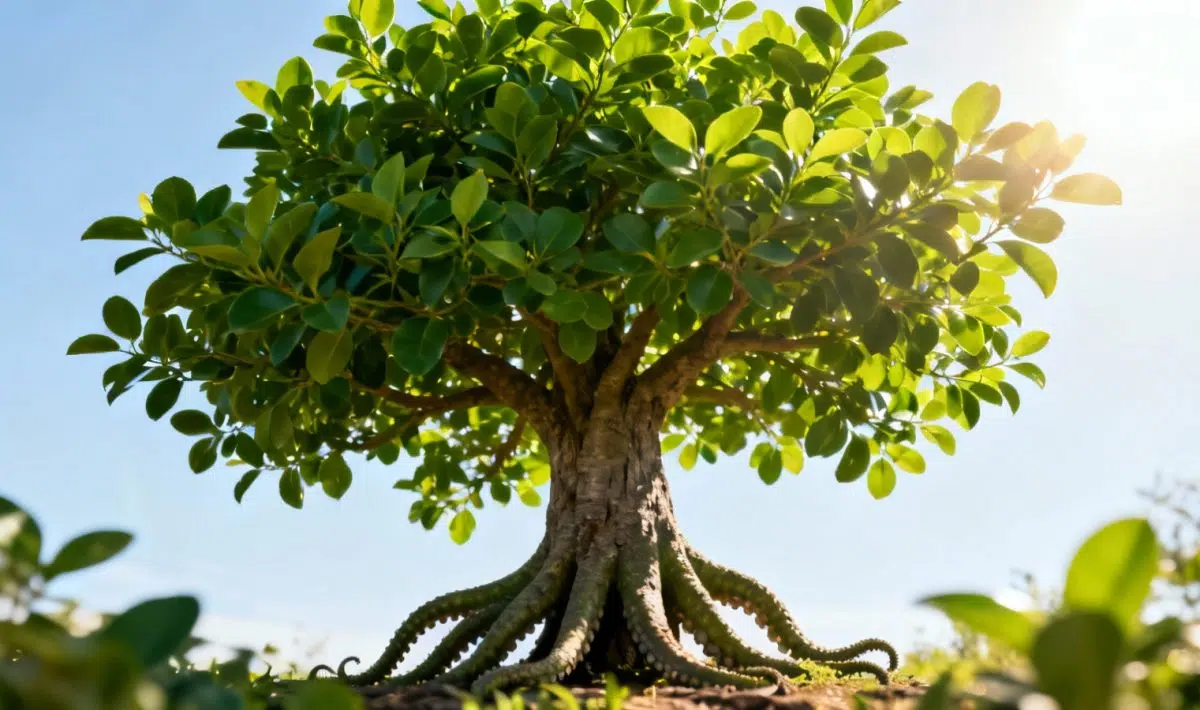
The octopus tree, scientifically known as Schefflera actinophylla, is a stunning tropical plant that brings exotic beauty to any garden space. This remarkable tree requires specific light conditions to thrive, and understanding these needs is essential for successful cultivation. Many gardeners wonder about the exact sunlight requirements, and the answer lies in providing adequate exposure while considering your specific growing environment.
Understanding octopus tree sunlight requirements
Your octopus tree needs a minimum of 6 hours of sunlight daily for optimal growth and development. This tropical beauty originally comes from Australia and has adapted to bright, consistent light conditions. When you provide the right amount of sunlight, you’ll notice vigorous growth, healthy foliage, and eventually the characteristic flowering that makes this plant so special.
The ideal scenario involves 6 to 8 hours of direct sunlight each day, particularly when growing outdoors. However, the tree can tolerate partial shade conditions, receiving between 2 to 6 hours of direct sunlight. For indoor cultivation, bright indirect light works well, though growth may be slower compared to outdoor specimens that receive full sun exposure.
Optimal placement for maximum sun exposure
Finding the perfect spot for your octopus tree involves careful observation of your garden’s light patterns throughout the day. South-facing locations typically provide the most consistent sunlight, making them ideal for this sun-loving plant. East-facing areas also work well, offering morning sun that’s particularly beneficial for healthy growth.
When positioning your tree, consider that mature specimens can reach impressive heights and develop broad canopies. Choose a location where the plant won’t be shaded by buildings, fences, or other trees as it grows. The goal is to ensure long-term access to adequate sunlight rather than just immediate needs.
In regions with intense summer heat, some afternoon shade can actually benefit the plant. This is particularly important in desert climates where excessive heat combined with direct sunlight might stress the tree. Like other plants such as sunlight requirements for zanzibar gem, finding the right balance is key to success.
Factors affecting light availability
Several environmental factors influence how much sunlight your octopus tree actually receives. Seasonal changes dramatically affect light intensity and duration, with shorter winter days providing less energy for photosynthesis. During these periods, your tree may slow its growth and require adjusted care routines.
Altitude and geographical location also play significant roles in determining light quality and intensity. Trees grown at higher elevations typically receive more intense sunlight due to thinner atmosphere, while coastal areas may experience filtered light from marine layers and humidity.
Weather patterns, including cloud cover and seasonal storms, can temporarily reduce available sunlight. Consistent monitoring helps you understand your tree’s actual light exposure versus theoretical calculations based on positioning alone.
Indoor vs outdoor growing conditions
Indoor octopus trees face unique lighting challenges that outdoor specimens don’t encounter. While natural window light can suffice, it’s often less intense than outdoor conditions. South-facing windows provide the best indoor lighting, but even these may require supplementation during winter months or in darker climates.
For indoor growing, consider using grow lights to supplement natural light, particularly during shorter days. LED grow lights work exceptionally well and can provide the consistent light spectrum your tree needs for healthy development. Position lights approximately 12 to 24 inches above the plant, adjusting based on the specific fixture’s intensity.
Outdoor cultivation allows for natural light cycles and typically results in more vigorous growth. Trees grown outdoors also develop stronger root systems and more resilient structures. However, they require protection from extreme weather conditions and may need gradual acclimation when moving from indoor to outdoor environments.
Recognizing light stress symptoms
Your octopus tree will clearly communicate its lighting needs through various visual cues. Insufficient light typically causes elongated, weak growth as the plant stretches toward available light sources. Leaves may become pale, smaller than normal, or begin dropping from lower branches.
Excessive light exposure, while less common, can cause leaf scorching, particularly on young or newly transplanted specimens. Leaves may develop brown patches or crispy edges when exposed to too much direct sunlight without proper acclimation. This is similar to what happens with chokecherry sunlight needs when exposed to sudden light changes.
Healthy octopus trees display vibrant green foliage, steady growth patterns, and well-developed leaf structures. When light conditions are optimal, you’ll notice new growth appearing regularly and existing leaves maintaining their glossy, attractive appearance.
Seasonal light management
Managing your octopus tree’s light exposure throughout the year requires understanding seasonal variations in your area. Spring brings increasing daylight hours and intensifying sun, making it an excellent time for repotting, pruning, and encouraging new growth.
Summer typically provides peak growing conditions with maximum sunlight hours and intensity. However, in extremely hot climates, some protection during the hottest part of the day may be beneficial. This prevents stress and maintains healthy growth rates throughout the growing season.
Winter light management becomes crucial in temperate climates where daylight hours decrease significantly. Indoor trees may require artificial lighting supplementation, while outdoor specimens in borderline hardiness zones might benefit from strategic positioning to capture maximum available winter sun.
Companion planting and light considerations
When planning your garden layout, consider how companion plants might affect your octopus tree’s light exposure. Smaller understory plants can benefit from the dappled shade created by mature octopus trees, creating attractive layered garden designs.
Avoid planting large shrubs or trees too close to your octopus tree, as they may compete for light and create shading issues as they mature. Instead, choose complementary plants that won’t interfere with the octopus tree’s light requirements while creating visual interest in your garden space.
Understanding how different plants interact with light helps create successful garden ecosystems. Just as hollyhock bloom sunlight requirements vary from tree requirements, each plant species has evolved for specific light conditions that should be respected in garden planning.
When your octopus tree isn’t receiving adequate sunlight, several solutions can help improve the situation. Pruning nearby vegetation that creates shade allows more light to reach your tree. This is particularly important as surrounding plants grow and potentially block previously adequate light sources.
For indoor plants, rotating the pot regularly ensures even light exposure on all sides of the tree. This prevents uneven growth patterns and maintains the plant’s natural symmetrical appearance. Weekly quarter-turns typically provide good results without causing stress to the plant.
In cases where natural light is insufficient, supplemental lighting becomes necessary. Modern LED grow lights offer energy-efficient solutions that can dramatically improve your tree’s health and growth rate. Choose full-spectrum lights that mimic natural sunlight for the best results.
Creating the perfect environment
Success with octopus trees involves more than just providing adequate sunlight. The combination of proper light, well-draining soil, and appropriate watering creates conditions where these magnificent plants truly thrive. Consider that trees growing in optimal light conditions have different water and nutrient needs compared to those in shadier locations.
Soil drainage becomes particularly important for trees receiving full sun exposure, as increased photosynthesis leads to higher water uptake and transpiration rates. Ensure your planting location provides excellent drainage while retaining enough moisture to support healthy growth.
Temperature considerations also interact with light requirements. Trees receiving full sun exposure in hot climates may benefit from mulching around the base to keep roots cool and maintain soil moisture. This is especially important for young trees establishing themselves in new locations, similar to considerations for silver maple sunlight needs during establishment periods.
By understanding and providing proper sunlight exposure for your octopus tree, you’re setting the foundation for years of healthy growth and natural beauty. These remarkable plants reward proper care with stunning foliage, impressive size, and the satisfaction of successfully growing an exotic species in your own space.

Allan is a lifelong gardening enthusiast who still gets excited when the first seedlings pop up in spring. With a deep love for nature and a hands-in-the-soil approach, he shares practical tips, plant discoveries, and clever tricks picked up over years of digging, planting, and observing. Whether you’re a new gardener or have a shed full of tools, Allan writes like a neighbor who’s always happy to swap cuttings and stories over the fence.
You can find more about Allan’s work on Malt or connect with him on LinkedIn.


