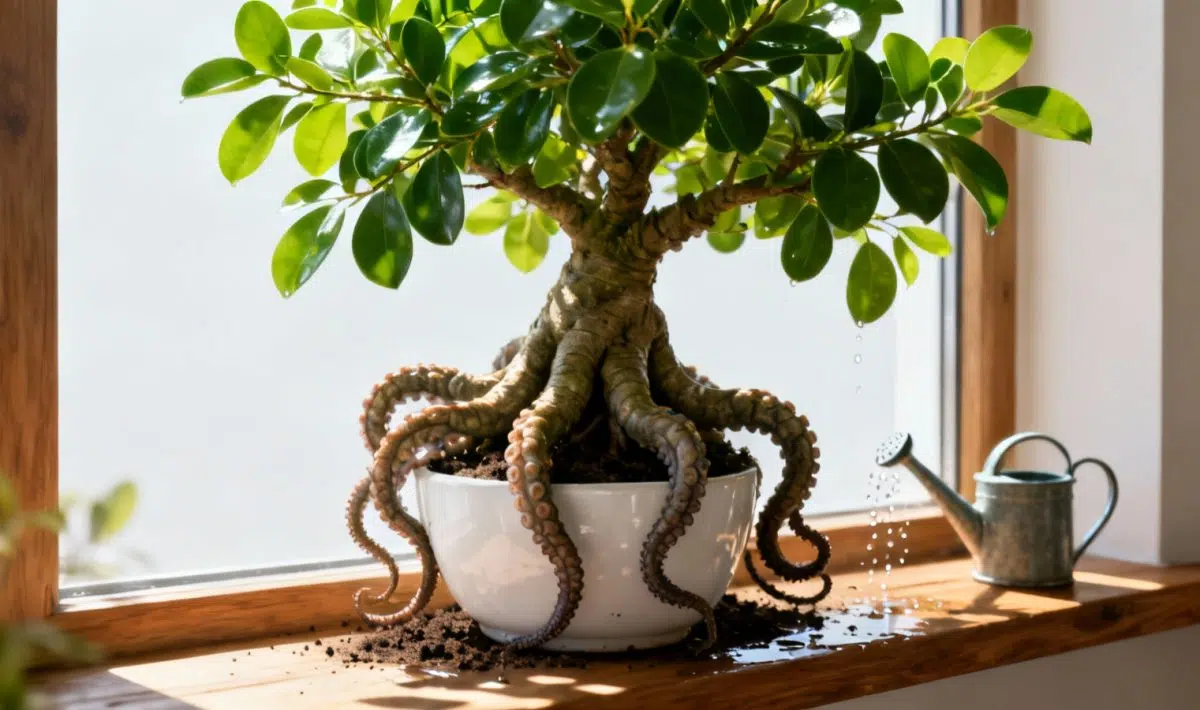
How often should you water your octopus tree for healthy indoor growth
The Octopus tree, scientifically known as Schefflera actinophylla, has become a popular houseplant that brings tropical vibes to any indoor space. This striking plant, with its distinctive umbrella-like leaves, requires specific watering attention to thrive in your home. Understanding how often should you water your Octopus tree will make the difference between a flourishing plant and one that struggles to survive.
Your Octopus tree originates from the rainforests of Australia and New Guinea, where it naturally receives consistent moisture followed by periods of drying. This natural cycle should guide your watering approach at home. The plant prefers to have its soil dry out partially between waterings, which prevents root rot while ensuring adequate hydration.
Several factors will influence how often you need to water your plant. The size of your pot, the humidity levels in your home, the amount of light it receives, and the current season all play crucial roles. During active growing periods, your Octopus tree will consume more water than during its dormant winter months.
How often should you water your Octopus tree throughout the year
For most indoor Octopus trees, watering once per week during spring and summer provides the ideal moisture balance. However, this frequency should never be set in stone. Instead, you should always check the soil moisture before adding water to ensure your plant actually needs it.
During the growing season from March to September, your plant will be actively producing new leaves and expanding its canopy. This increased activity means higher water consumption, so weekly watering often becomes necessary. Just like when learning how to properly water tomatoes during hot periods, consistency matters more than strict scheduling.
Winter watering requires a different approach entirely. From October through February, reduce your watering frequency to every 10-14 days. The cooler temperatures and lower light levels naturally slow your plant’s metabolism, reducing its water needs significantly.
Testing soil moisture effectively
The most reliable method for determining when to water involves checking the top 2-3 inches of soil. Insert your finger directly into the potting medium near the plant’s base. If this upper layer feels dry to the touch, your Octopus tree is ready for its next watering session.
You can also use a wooden skewer or moisture meter for more precise readings. These tools help you avoid the guesswork that often leads to overwatering, which remains the most common cause of Octopus tree health problems.
Proper watering techniques for optimal growth
When watering day arrives, do it thoroughly and with purpose. Pour water slowly around the entire soil surface, allowing it to penetrate deeply into the root zone. Continue until water begins draining from the bottom holes, ensuring complete soil saturation.
Room temperature water works best for your Octopus tree, as cold water can shock the roots and disrupt normal plant functions. If you typically use tap water, let it sit overnight to allow chlorine to evaporate, which benefits your plant’s overall health.
After watering, empty the drainage saucer within 30 minutes to prevent your plant from sitting in standing water. This simple step prevents root rot and maintains healthy growing conditions.
Recognizing water stress signals
Your Octopus tree will communicate its water needs through various visual cues that you should learn to recognize. Drooping leaves often indicate underwatering, while yellowing leaves that feel soft usually signal overwatering problems.
Brown leaf tips can result from inconsistent watering patterns or water quality issues. Maintaining steady moisture levels, similar to watering tips for English ivy care, helps prevent these stress responses and keeps your plant looking vibrant.
Common watering mistakes to avoid
Many plant enthusiasts make the mistake of watering on a rigid schedule regardless of actual plant needs. Your Octopus tree’s water requirements change based on environmental conditions, so flexibility in your approach yields better results than strict adherence to calendar dates.
Overwatering poses the greatest threat to your plant’s health. When soil remains constantly wet, it creates anaerobic conditions that promote root rot and fungal diseases. These problems can kill your Octopus tree faster than underwatering ever could.
Using containers without drainage holes represents another serious mistake. Your plant needs the ability to release excess water, and proper drainage prevents salt buildup that can damage root systems over time.
Seasonal watering adjustments
Understanding seasonal changes helps you provide appropriate care throughout the year. During summer months, increased temperatures and longer daylight hours accelerate water consumption, potentially requiring more frequent watering sessions.
Air conditioning and heating systems also affect your plant’s water needs. These systems typically reduce humidity levels, causing soil to dry faster than normal. Monitor your plant more closely during extreme weather periods when indoor climate control runs continuously.
The principles that apply to best watering practices for Indian shot plants also work well for Octopus trees – adapting your schedule based on environmental conditions rather than following rigid timelines.
Creating the ideal growing environment
Beyond watering frequency, your Octopus tree benefits from optimal growing conditions that reduce water stress. Placing it near a bright window with indirect sunlight encourages healthy growth while preventing rapid soil drying that occurs in direct sun exposure.
Humidity levels between 40-60% create ideal conditions for your plant. You can increase local humidity by placing a water-filled pebble tray beneath your pot or grouping it with other houseplants to create a beneficial microclimate.
Well-draining potting soil specifically formulated for houseplants provides the foundation for successful watering. These mixtures typically contain perlite or bark chips that improve drainage while retaining appropriate moisture levels.
Long-term care considerations
As your Octopus tree matures, its watering needs will evolve along with its size and root system development. Larger plants in bigger pots typically require less frequent watering because the increased soil volume retains moisture longer.
Repotting every 2-3 years refreshes the growing medium and prevents soil compaction that can interfere with proper water absorption. Fresh potting soil also provides renewed drainage capabilities essential for healthy root function.
Regular observation remains your most valuable tool for maintaining optimal watering practices. The same attention to detail that goes into proper care for Angel’s-wings begonia applies here – watching for subtle changes in your plant’s appearance guides you toward appropriate care adjustments.
Success with Octopus tree watering comes from understanding that this plant prefers consistent moisture without waterlogged conditions. By checking soil moisture regularly, adjusting for seasonal changes, and maintaining proper drainage, you will provide the foundation your plant needs for years of healthy growth and stunning foliage display.
Allan is a lifelong gardening enthusiast who still gets excited when the first seedlings pop up in spring. With a deep love for nature and a hands-in-the-soil approach, he shares practical tips, plant discoveries, and clever tricks picked up over years of digging, planting, and observing. Whether you’re a new gardener or have a shed full of tools, Allan writes like a neighbor who’s always happy to swap cuttings and stories over the fence.
You can find more about Allan’s work on Malt or connect with him on LinkedIn.