Understanding common chokecherry sunlight requirements
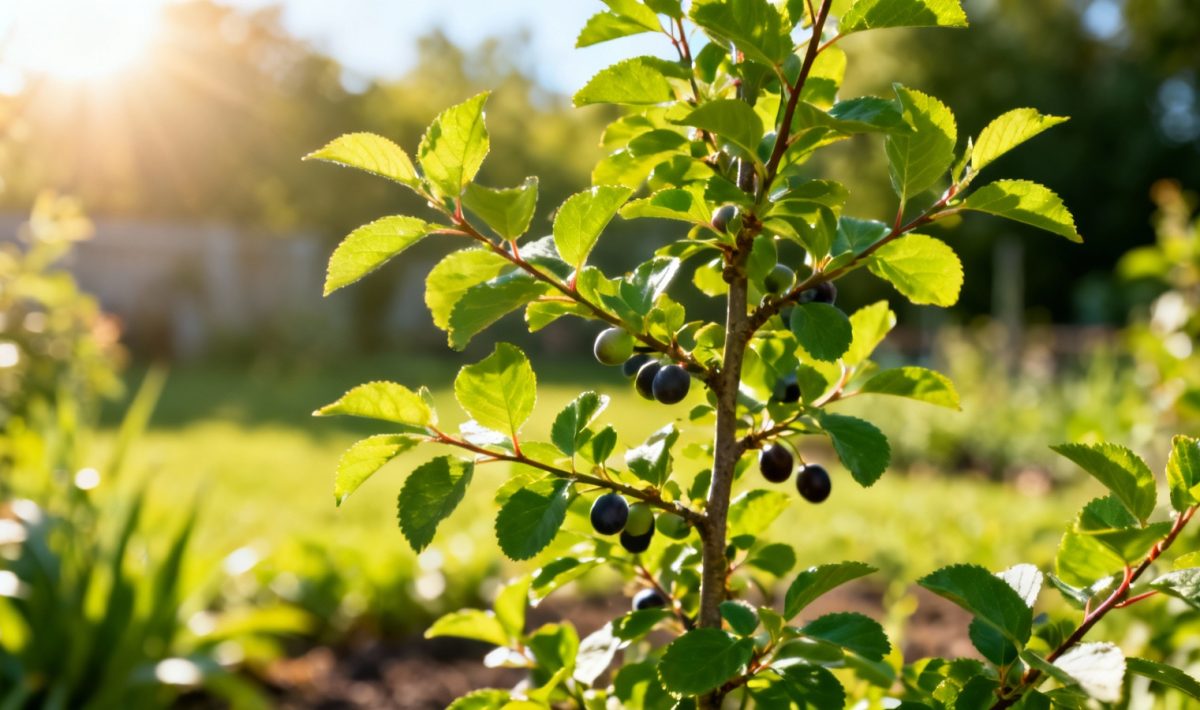
When planning your garden layout, understanding how much sunlight does common chokecherry need becomes essential for successful cultivation. The common chokecherry (Prunus virginiana) is a remarkably adaptable native tree that thrives with a minimum of six hours of direct sunlight daily. However, its tolerance for varying light conditions makes it an excellent choice for diverse garden environments.
This versatile shrub demonstrates exceptional flexibility in its light requirements. While full sun exposure promotes the most robust growth and abundant fruit production, chokecherry can tolerate partial shade better than many other native cherry varieties. This adaptability allows gardeners to successfully grow these valuable trees in locations that might not receive constant direct sunlight throughout the day.
The purple-black fruits that develop in late summer require adequate sunlight to reach their full potential. These berries not only provide food for wildlife but also offer opportunities for human consumption when properly processed. Understanding the relationship between light exposure and fruit development helps ensure your chokecherry produces its characteristic clusters of nutritious berries.
Optimal growing conditions for healthy development
Full sun exposure represents the ideal condition for chokecherry cultivation, particularly for mature trees seeking maximum productivity. In these conditions, the tree develops dense foliage, produces abundant white flower clusters in spring, and yields generous harvests of fruit. The enhanced sunlight also strengthens the tree’s natural resistance to common diseases and pest issues.
Young chokecherry plants benefit from slightly different light management during their establishment period. While they still require substantial sunlight, some protection from intense midday sun can prevent stress and promote healthy root development. This balance helps new plantings establish themselves before transitioning to full sun exposure as they mature.
The native habitat of chokecherry provides valuable insights into its light preferences. In the wild, these trees often grow along forest edges, stream banks, and open woodlands where they receive a combination of direct sunlight and filtered light throughout the day. This natural growing pattern explains their remarkable adaptability to various garden conditions.
Soil and environmental considerations
Beyond sunlight, chokecherry demonstrates impressive tolerance for different soil types, including clay soils that challenge many other fruit trees. This adaptability extends to moisture conditions as well, with established trees showing good drought tolerance once their root systems develop fully. The combination of flexible light requirements and soil tolerance makes chokecherry an excellent choice for challenging garden zones.
When selecting seeds or seedlings for purchase, consider your specific growing zone and local climate conditions. Much like determining sunlight requirements for hollyhocks in your garden, understanding your chokecherry’s needs ensures successful establishment and long-term growth.
The spring flowering period showcases one of chokecherry’s most attractive features. These fragrant white flowers appear in drooping clusters, creating a stunning display that attracts beneficial pollinators to your garden. Adequate sunlight during this critical period supports abundant flowering and subsequent fruit development.
Maximizing growth through proper placement
Strategic placement in your garden significantly impacts your chokecherry’s performance and longevity. When planning your landscape, consider the mature size of the tree and ensure surrounding vegetation won’t create excessive shade as your garden develops over time. Proper spacing allows each tree to receive its full light requirements while maintaining good air circulation.
The winter season presents unique considerations for chokecherry placement. While dormant trees tolerate cold conditions well, their location should still receive adequate light during shorter winter days. This consideration becomes particularly important in northern growing zones where winter sunlight remains limited.
For gardeners dealing with partially shaded conditions, chokecherry offers more flexibility than many fruit trees. Similar to how gardeners must evaluate lilac sunlight needs for blooms when planning their landscape, understanding chokecherry’s tolerance levels helps optimize placement decisions even in less-than-ideal locations.
Watering and maintenance considerations
While sunlight provides the energy for photosynthesis, proper watering supports healthy growth throughout the growing season. Chokecherry trees require consistent moisture during their first growing season but develop good drought tolerance as they mature. The balance between adequate watering and proper drainage becomes crucial for long-term tree health.
Medium to low maintenance requirements make chokecherry an appealing choice for busy gardeners. Once established, these perennial trees require minimal intervention beyond occasional pruning and monitoring for pest issues. Their natural hardiness and disease resistance reduce the need for intensive care compared to many cultivated fruit varieties.
Just as sunlight for silver maple trees varies based on specific growing conditions, chokecherry’s needs may require adjustment based on your local environment. Observing your tree’s response to its current light conditions helps determine whether relocation or pruning of surrounding vegetation might improve its performance.
Benefits for wildlife and ecosystem health
The ecological value of chokecherry extends far beyond its ornamental appeal and fruit production. These native trees provide essential food sources for numerous bird species, small mammals, and beneficial insects throughout the growing season. The timing of fruit ripening coincides perfectly with late summer wildlife feeding patterns.
Proper light exposure enhances the tree’s ability to support local wildlife populations. Well-lit trees produce more abundant fruit crops, creating reliable food sources that support biodiversity in your garden ecosystem. This benefit extends to pollinating insects that visit the spring flowers and rely on healthy, well-established trees for consistent nectar sources.
Urban forestry initiatives increasingly recognize the value of native species like chokecherry for creating resilient, low-maintenance landscapes. Their adaptability to various light conditions makes them excellent candidates for street plantings, park installations, and residential gardens where growing conditions may not be optimal.
Consider the broader landscape context when planning your chokecherry placement. Much like understanding ideal sunlight for bluegrass growth helps create cohesive lawn areas, positioning your chokecherry thoughtfully contributes to overall garden harmony and ecosystem function.
Purchasing and planting success tips
When ready to add chokecherry to your garden, source your seeds or seedlings from reputable suppliers who understand native plant requirements. Quality genetic material ensures your trees will demonstrate the characteristic hardiness and adaptability that makes chokecherry such a valuable addition to diverse landscapes.
Timing your planting efforts with optimal growing conditions sets the foundation for long-term success. Spring planting allows trees to establish root systems before facing summer heat stress, while fall planting takes advantage of cooler temperatures and typically increased rainfall in many regions.
The investment in quality chokecherry trees pays dividends through years of low-maintenance beauty, wildlife support, and potential fruit harvests. Their longevity and adaptability make them excellent choices for gardeners seeking sustainable, native alternatives to high-maintenance ornamental trees that require intensive care and resources.
Allan is a lifelong gardening enthusiast who still gets excited when the first seedlings pop up in spring. With a deep love for nature and a hands-in-the-soil approach, he shares practical tips, plant discoveries, and clever tricks picked up over years of digging, planting, and observing. Whether you’re a new gardener or have a shed full of tools, Allan writes like a neighbor who’s always happy to swap cuttings and stories over the fence.
You can find more about Allan’s work on Malt or connect with him on LinkedIn.