Understanding cherry laurel and its light preferences
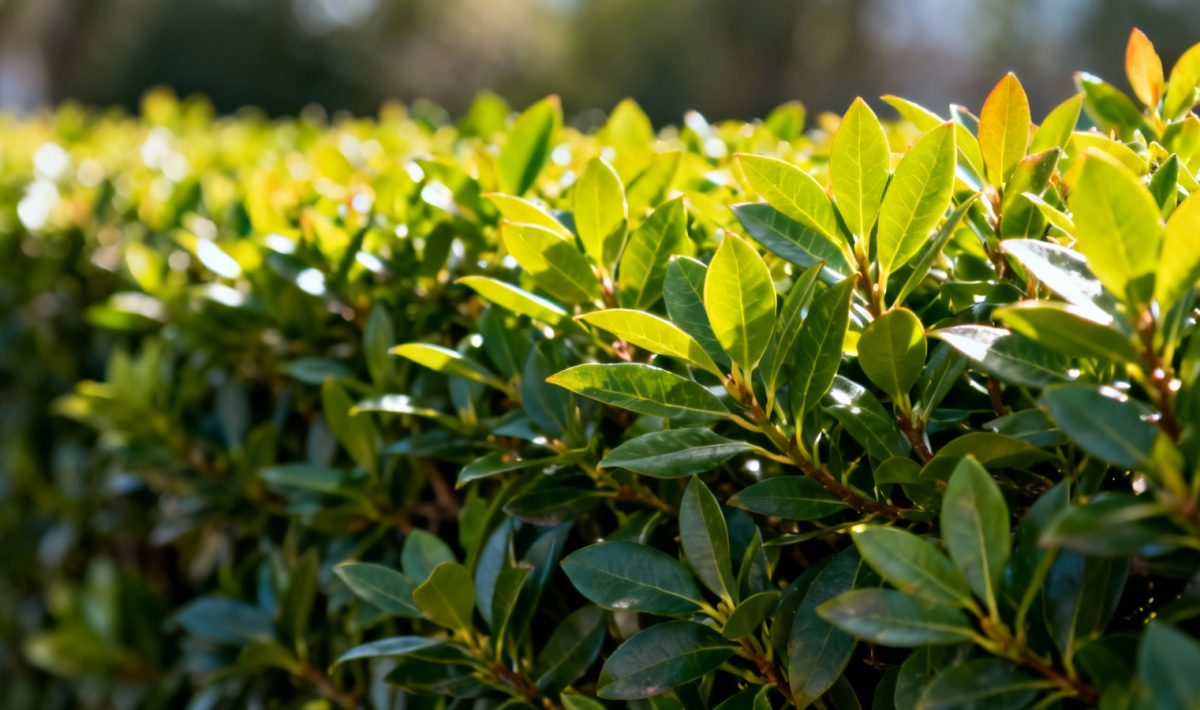
Cherry laurel, scientifically known as Prunus laurocerasus, stands out as one of the most adaptable evergreen shrubs for garden hedging. This remarkable plant brings year-round privacy and aesthetic appeal to countless gardens. Understanding how much sunlight cherry laurel needs becomes crucial for achieving the dense, vibrant foliage that makes these plants so desirable for hedging purposes.
These versatile shrubs originate from regions with varied light conditions, which explains their impressive tolerance to different exposure levels. However, providing optimal sunlight conditions can significantly impact their growth rate, foliage density, and overall health. The key lies in finding the perfect balance for your specific garden conditions.
Optimal sunlight requirements for cherry laurel growth
Cherry laurel thrives best with 4 to 6 hours of direct sunlight daily. This exposure level promotes vigorous growth and maintains the dense, glossy foliage that makes these plants such attractive hedging options. When planted in locations receiving this amount of sun, you’ll notice faster establishment and more compact growth patterns.
The ideal positioning combines morning sun with some afternoon shade, particularly in warmer climates. This arrangement provides sufficient energy for photosynthesis while protecting the plants from excessive heat stress during peak summer months. Such conditions encourage steady, healthy development throughout the growing season.
Unlike some other evergreen shrubs that demand full sun exposure, cherry laurel demonstrates remarkable flexibility. This adaptability makes it an excellent choice for gardens with varying light conditions, where other plants might struggle to establish themselves effectively.
Tolerance for partial shade conditions
Cherry laurel can successfully grow in partial shade, receiving as little as 3 to 4 hours of direct sunlight. While growth may be slightly slower compared to full sun conditions, the plants maintain their evergreen characteristics and continue to provide effective screening. This shade tolerance opens up planting opportunities in locations where full sun plants would fail.
In shadier spots, expect somewhat more open growth habits and potentially reduced flowering. However, the fundamental structure and leaf quality remain excellent for hedging purposes. Many gardeners actually prefer this slightly more relaxed growth pattern in certain landscape settings.
Recognizing light stress in cherry laurel plants
Understanding how your cherry laurel responds to its current light conditions helps you make informed decisions about placement and care. Plants receiving insufficient light often display elongated growth with larger gaps between leaves, as they stretch toward available light sources.
Conversely, excessive direct sunlight, particularly in hot climates, can cause leaf scorch or yellowing. Just as radish sunlight needs for growth vary depending on climate conditions, cherry laurel benefits from some protection during the hottest part of summer days in regions with intense sun.
Healthy cherry laurel plants display rich, dark green foliage with good density from top to bottom. New growth appears regularly during the growing season, and the overall shape remains naturally compact without excessive pruning requirements.
Seasonal light considerations
Throughout the year, cherry laurel’s light needs remain relatively consistent, though winter dormancy reduces their energy requirements slightly. During spring and summer active growth periods, ensuring adequate light exposure becomes most critical for maintaining vigorous development.
Consider how deciduous trees in your garden might affect light levels seasonally. A location that receives full sun in winter might become quite shaded once overhead tree canopies leaf out in spring. Planning for these changes helps ensure consistent growing conditions year-round.
Optimizing garden placement for best results
When planning cherry laurel placement, survey your garden at different times of day to understand light patterns. Morning sun combined with afternoon shade often provides ideal conditions, especially in warmer regions where intense afternoon heat can stress plants unnecessarily.
Consider the mature size of surrounding plants and structures when selecting planting locations. What seems like a sunny spot today might become heavily shaded as nearby trees and shrubs grow. Planning ahead prevents future problems and reduces the need for transplanting established hedges.
Similar to how optimal sunlight for selloum plants requires careful consideration of placement, cherry laurel benefits from thoughtful positioning that maximizes favorable light conditions while minimizing potential stress factors.
Companion planting considerations
Cherry laurel works well with other evergreen shrubs that share similar light requirements. This creates opportunities for mixed hedging that provides varied textures and colors while maintaining consistent care needs across all planted areas.
Avoid placing cherry laurel too close to plants with dramatically different light needs, as this can create maintenance challenges and uneven growth patterns within your hedge design. Consistency in growing conditions helps maintain uniform appearance over time.
Care tips for healthy cherry laurel growth
Beyond providing appropriate sunlight exposure, several additional care practices support optimal cherry laurel health. Regular watering during establishment and dry periods helps plants develop strong root systems that can better utilize available light for growth.
Mulching around the base of plants helps retain soil moisture and regulate soil temperature, creating stable growing conditions that complement proper light exposure. This practice becomes particularly valuable during hot summer months when plants face additional stress.
Interestingly, just as Jimsonweed growth and sunlight needs demonstrate how different plants adapt to various light conditions, cherry laurel shows remarkable resilience when basic care requirements are met consistently.
Pruning for light penetration
Regular pruning helps maintain good light penetration throughout the hedge structure. This practice prevents the development of bare patches in lower portions of plants, which commonly occurs when upper growth becomes too dense and blocks light from reaching interior branches.
Light annual pruning after flowering maintains shape while encouraging bushier growth patterns. This approach ensures that all parts of your cherry laurel hedge receive adequate light exposure for healthy development throughout the growing season.
Common mistakes to avoid with cherry laurel lighting
One frequent error involves assuming that cherry laurel can thrive in deep shade simply because it tolerates partial shade well. While these plants are more shade-tolerant than many evergreens, they still need several hours of direct sunlight for optimal performance.
Another mistake involves placing cherry laurel in locations with excessive reflected heat, such as near south-facing walls or paved surfaces. While these spots may provide abundant light, the additional heat stress can overwhelm plants, particularly during summer months.
Much like understanding sunlight requirements for sweet cherry trees helps ensure successful fruit production, recognizing cherry laurel’s specific needs prevents disappointing results and supports long-term hedge success.
Maximizing success with proper light management
Cherry laurel offers gardeners an exceptional combination of beauty, functionality, and adaptability for evergreen hedging projects. By providing 4 to 6 hours of daily sunlight in well-chosen locations, you can enjoy dense, healthy growth that creates effective privacy screens and attractive garden features year-round.
Remember that while these plants tolerate various light conditions, optimizing their exposure leads to superior results. Take time to observe your garden’s light patterns throughout the day and seasons, then position your cherry laurel accordingly for the best possible outcome.
With proper light management and basic care, cherry laurel hedges can provide decades of reliable service, transforming your outdoor space into a private, green sanctuary that remains beautiful through all seasons.
Allan is a lifelong gardening enthusiast who still gets excited when the first seedlings pop up in spring. With a deep love for nature and a hands-in-the-soil approach, he shares practical tips, plant discoveries, and clever tricks picked up over years of digging, planting, and observing. Whether you’re a new gardener or have a shed full of tools, Allan writes like a neighbor who’s always happy to swap cuttings and stories over the fence.
You can find more about Allan’s work on Malt or connect with him on LinkedIn.