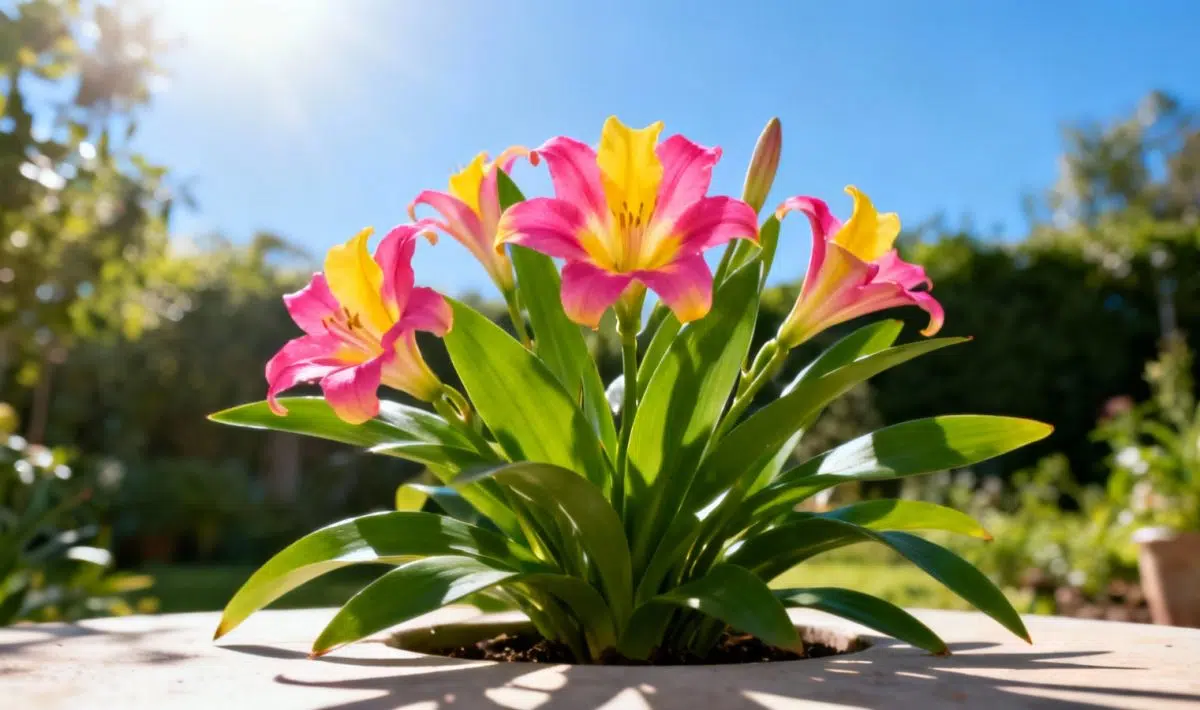
How much sunlight does Peruvian lily need for successful growth
Growing beautiful Peruvian lily flowers starts with understanding their sunlight requirements. These stunning alstroemeria plants are quite particular about their light conditions, and getting it right makes all the difference between lackluster blooms and a spectacular garden display. Today, I’m sharing everything you need to know about how much sunlight does Peruvian lily need to thrive in your garden.
The alstroemeria, commonly known as Peruvian lily, originated in the cool mountainous regions of South America. This background gives us valuable clues about their light preferences. These plants typically need between 3 to 6 hours of direct sunlight daily, though the exact amount depends on your climate and growing conditions.
In temperate climates with moderate summers, your Peruvian lily will flourish with 6 hours or more of direct sunlight. However, if you’re gardening in particularly hot regions, these beautiful flowers actually prefer morning sun with some afternoon shade. Much like how different plants have varying needs – for instance, sunlight needs for Peace lilies are quite different from outdoor flowering plants – understanding your specific variety’s requirements is crucial.
Full sun versus partial shade placement
The quality of light your alstroemeria receives directly impacts flower production and plant health. Full sun locations provide the energy these plants need for robust flowering, but they also require careful consideration of your local climate conditions.
Morning sunlight is particularly beneficial for Peruvian lily plants because it’s gentler and helps dry any overnight moisture from the leaves. This reduces the risk of fungal issues while still providing the photosynthetic energy the plants crave. Afternoon sun can be more intense, especially during summer months, which is why many gardeners opt for locations that receive bright morning light followed by dappled afternoon shade.
When selecting the perfect spot in your garden, observe how sunlight moves across different areas throughout the day. You’ll want to avoid deep shade areas where your alstroemeria won’t receive enough light to produce those gorgeous flowers that make them so popular.
Climate considerations for optimal growth
Your local climate plays a huge role in determining the ideal light conditions for your Peruvian lily. In cooler regions with mild summers, these plants can handle and actually benefit from full sun exposure throughout most of the day. The moderate temperatures allow them to make full use of available sunlight without stress.
Conversely, in hot climates where summer temperatures regularly exceed 85°F, your alstroemeria will appreciate some protection during the hottest part of the day. Similar to how optimal sunlight for radish plants varies by season, you might need to adjust your Peruvian lily’s light exposure based on weather patterns.
During extremely hot spells, providing temporary shade during peak afternoon hours can prevent flower fade and leaf scorch. A simple shade cloth or strategic placement near taller plants can offer this protection while still allowing plenty of morning and late afternoon light.
Choosing the right varieties for your garden
Different alstroemeria varieties have slightly different light tolerances, which affects how you should position them in your garden. Hybrid varieties bred for garden cultivation often show better heat tolerance and can handle more direct sunlight than their wild counterparts.
When purchasing seeds or plants, look for varieties specifically recommended for your growing zone. Some cultivars are bred to be more sun-tolerant, while others perform better in partially shaded conditions. Quality seeds from reputable sources will typically include growing information that specifies ideal light conditions for that particular variety.
For gardeners interested in creating diverse plantings, understanding how different species respond to light can be valuable. Just as sunlight for healthy selloum growth differs from flowering annuals, each plant type has its preferences that you can work with when designing your garden layout.
Planting and positioning strategies
Successful Peruvian lily cultivation begins with smart placement in your garden. Look for spots that receive morning sun but have some natural protection from the harshest afternoon rays. East-facing slopes or areas near deciduous trees often provide this ideal combination.
The soil quality in your chosen location matters just as much as the light conditions. Well-draining soil prevents root rot while allowing the plants to make full use of available sunlight. Poor drainage combined with intense sun can stress plants and reduce flowering.
Consider the mature size of your alstroemeria when planning their placement. These plants can spread over time, so adequate spacing ensures each plant receives sufficient light without crowding. Additionally, understanding light requirements for various garden plants, such as optimal light conditions for Jimsonweed, helps you create compatible plant communities.
Seasonal light adjustments
Throughout the growing season, you may need to make adjustments to optimize light conditions for your Peruvian lily. Spring planting typically allows plants to gradually acclimate to increasing light levels as the season progresses.
During summer months, monitor your plants for signs of light stress. Wilting during the hottest part of the day, even with adequate moisture, often indicates too much direct sun. Conversely, weak stems and poor flowering suggest insufficient light exposure.
As autumn approaches and daylight hours decrease, your alstroemeria will naturally begin to slow their growth. This seasonal change is normal and actually helps prepare the plants for winter dormancy in colder climates.
Maximizing flower production
The right balance of sunlight directly correlates with flower production in Peruvian lily plants. Adequate light exposure encourages the formation of flower buds and supports the energy needs of blooming. However, excessive heat and intense sun can actually reduce flowering and shorten bloom duration.
Regular observation helps you fine-tune light conditions for maximum flower production. Healthy plants in optimal light will produce strong stems with vibrant flower colors that last longer both in the garden and as cut flowers.
For gardeners growing multiple crop varieties, understanding diverse light requirements becomes essential. Much like how successful rutabaga growth requires light management differs from ornamental flowers, each plant type needs individual consideration for best results.
Troubleshooting common light-related issues
When Peruvian lily plants don’t receive appropriate light levels, they display specific symptoms that help you identify and correct the problem. Insufficient light typically results in tall, weak stems that flop over and reduced flower production.
Excessive light exposure, particularly in hot climates, causes flower colors to fade quickly and may lead to premature bloom drop. The leaves might also show signs of stress, appearing pale or developing brown edges despite adequate watering.
Adjusting light exposure doesn’t always require moving plants. Simple solutions like adding temporary shade structures during heat waves or pruning nearby vegetation to increase light penetration can resolve many issues without major garden reorganization.
Successfully growing these beautiful flowers requires patience and observation, but the reward of vibrant blooms makes the effort worthwhile. With proper attention to their sunlight needs, your Peruvian lily plants will provide seasons of stunning garden color and excellent cut flowers for your home.
Allan is a lifelong gardening enthusiast who still gets excited when the first seedlings pop up in spring. With a deep love for nature and a hands-in-the-soil approach, he shares practical tips, plant discoveries, and clever tricks picked up over years of digging, planting, and observing. Whether you’re a new gardener or have a shed full of tools, Allan writes like a neighbor who’s always happy to swap cuttings and stories over the fence.
You can find more about Allan’s work on Malt or connect with him on LinkedIn.