
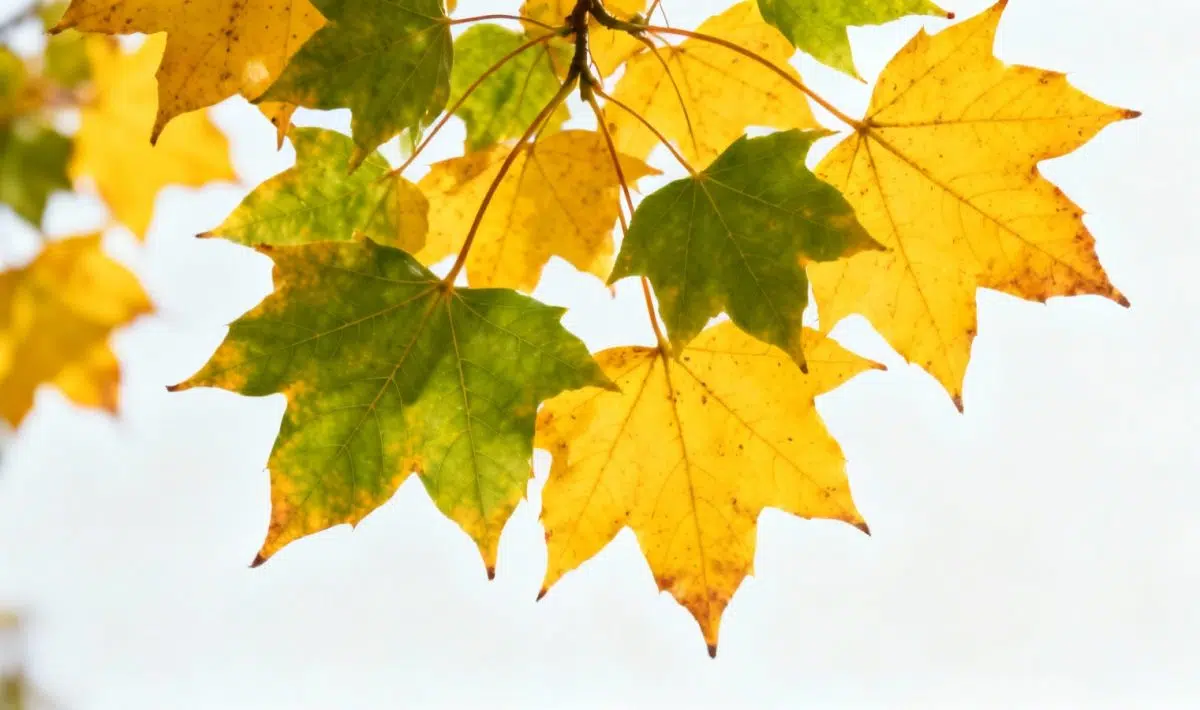
If you’ve noticed your sweetgum tree’s leaves starting to turn yellow, you’re probably wondering whether this is something to worry about. The truth is, yellowing leaves on Liquidambar styraciflua can be completely natural, especially as we approach autumn. However, understanding the difference between natural seasonal changes and potential health issues will help you care for your tree properly.
Today, I’m sharing everything you need to know about why sweetgum leaves change color and what you can do to keep your tree thriving. From natural autumn transitions to potential problems that might need your attention, we’ll cover it all in a straightforward way.
Understanding your Liquidambar styraciflua
The sweetgum tree, scientifically known as Liquidambar styraciflua, is truly one of nature’s most spectacular performers when it comes to fall color displays. These magnificent trees are beloved for their star-shaped leaves that transform from green to brilliant shades of yellow, orange, and red as autumn approaches.
Native to eastern North America, sweetgum trees have adapted beautifully to various climates and soil conditions. What makes them particularly special is their ability to put on a stunning show before winter arrives. The natural process begins with leaves turning yellow, then progressing through orange to deep red hues.
Your tree’s leaves serve as its food-making factories during the growing season. As daylight hours shorten and temperatures drop, the tree begins preparing for dormancy by breaking down chlorophyll in the leaves, revealing those beautiful yellow and red pigments that were hidden underneath all along.
Natural seasonal changes in sweetgum leaves
The most common reason your sweetgum leaves are turning yellow is simply the arrival of autumn. This natural transformation typically begins in late September or early October, depending on your local climate conditions. The process is absolutely normal and nothing to be concerned about.
✅ Quick Checklist
- Is the soil too wet or too dry?
- Is the plant getting 6+ hours of sunlight daily?
- Have you fertilized in the last 2 months?
- Are there visible pests under the leaves?
- Does the pot have adequate drainage?
Diagnose your plant in one click!
AI instant diagnosis • Personalized solutions • 50,000+ species
During this natural transition, you’ll notice the leaves don’t all change at once. The transformation often starts from the outside of the canopy and works inward, creating a beautiful gradient effect. Weather conditions play a significant role in how vibrant these colors become and how long they last.
Cool nights and warm sunny days create the perfect conditions for spectacular fall color. These temperature fluctuations help trap sugars in the leaves, intensifying the red and purple pigments while the yellow ones shine through from the breakdown of chlorophyll.
When yellow leaves might indicate problems
While autumn yellowing is perfectly normal, there are times when yellow leaves signal that your sweetgum needs attention. If you’re seeing yellowing leaves during spring or summer, or if the yellowing appears patchy and unhealthy, you might be dealing with stress factors.
Water stress is one of the most common culprits. Both overwatering and underwatering can cause leaves to turn yellow prematurely. Sweetgum trees prefer consistently moist but well-draining soil. If the ground around your tree is either waterlogged or bone dry, your tree might be telling you it needs better water management.
Nutrient deficiencies can also manifest as yellowing leaves. Iron deficiency, in particular, often causes yellowing that starts between the leaf veins while the veins themselves remain green. This is especially common in alkaline soils where iron becomes less available to the tree’s roots.
Just like with other plants, yellow leaves on sweetgums can sometimes indicate broader health issues. For instance, causes of yellowing honeysuckle leaves often involve similar stress factors that affect many garden plants, including water management and nutrient availability.
Proper care for healthy sweetgum trees
Maintaining a healthy Liquidambar styraciflua doesn’t require complicated techniques, but consistency is key. These trees thrive with regular watering during dry periods, especially in their first few years after planting. Deep, infrequent watering encourages strong root development better than frequent shallow watering.
Fertilizing your sweetgum tree can help prevent nutrient-related yellowing. A balanced, slow-release fertilizer applied in early spring provides the nutrients your tree needs throughout the growing season. However, avoid over-fertilizing, as this can actually cause more harm than good.
Mulching around the base of your tree offers multiple benefits. A 2-3 inch layer of organic mulch helps retain soil moisture, moderates soil temperature, and gradually breaks down to provide natural nutrients. Keep the mulch a few inches away from the trunk to prevent moisture-related problems.
Proper pruning also contributes to overall tree health. Remove any dead, damaged, or crossing branches during the dormant season. This improves air circulation and reduces the risk of disease, which can sometimes manifest as yellowing leaves during the growing season.
Recognizing seasonal timing and patterns
Understanding the timing of natural color changes helps distinguish between normal autumn transitions and potential problems. In most regions, sweetgum leaves begin their color transformation in response to shorter daylight hours, typically starting in late September.
The progression from green to yellow to red usually takes several weeks. If you’re seeing this gradual transition during the appropriate season, you can simply enjoy the show. However, if yellowing occurs suddenly or during unexpected times of the year, investigation is warranted.
✅ Quick Checklist
- Is the soil too wet or too dry?
- Is the plant getting 6+ hours of sunlight daily?
- Have you fertilized in the last 2 months?
- Are there visible pests under the leaves?
- Does the pot have adequate drainage?
Diagnose your plant in one click!
AI instant diagnosis • Personalized solutions • 50,000+ species
Climate variations can affect timing significantly. Warmer regions may see color changes later in the season, while cooler areas might experience earlier transitions. Keeping notes about when your tree’s leaves typically change helps you recognize patterns and spot any unusual behavior.
Tree age also influences color intensity and timing. Mature sweetgum trees often produce more dramatic color displays than younger specimens. Young trees may show less vibrant colors as they focus energy on establishing strong root systems and structural growth.
Environmental factors affecting leaf color
Several environmental conditions influence both the timing and intensity of autumn color changes in sweetgum trees. Sunlight exposure plays a crucial role – trees in full sun typically develop more vibrant colors than those in partial shade.
Soil conditions significantly impact leaf health throughout the growing season. Well-draining soils that retain adequate moisture produce the healthiest trees with the most spectacular fall displays. Poor drainage or compacted soils can stress trees, leading to premature yellowing or poor color development.
Similar environmental stresses affect many fruit trees as well. The reasons for pomegranate leaves yellowing often mirror those affecting sweetgums, including water stress and soil quality issues.
Temperature fluctuations during the fall season create the perfect conditions for intense colors. Cool nights that don’t dip below freezing, combined with warm sunny days, help develop and preserve the brilliant yellows and reds that make sweetgum trees so spectacular.
Enjoying your sweetgum’s natural beauty
Once you understand that yellow leaves are often part of your sweetgum’s natural autumn display, you can relax and enjoy the show. These trees are among the most reliable performers for fall color, often maintaining their leaves longer than many other deciduous trees.
The transition from yellow to red provides weeks of changing beauty in your landscape. Many gardeners look forward to this annual transformation as one of the highlights of their fall garden experience. Taking photos throughout the progression creates a wonderful record of your tree’s seasonal performance.
Remember that after the spectacular display ends and leaves begin falling, your tree is simply preparing for winter dormancy. This natural cycle has repeated for thousands of years, and your sweetgum will emerge next spring ready to begin the process all over again.
With proper care and understanding of natural seasonal changes, your Liquidambar styraciflua will continue providing years of autumn beauty. The key is recognizing when yellowing is natural and when it might indicate a need for attention, ensuring your tree remains healthy and vibrant for seasons to come.

Allan is a lifelong gardening enthusiast who still gets excited when the first seedlings pop up in spring. With a deep love for nature and a hands-in-the-soil approach, he shares practical tips, plant discoveries, and clever tricks picked up over years of digging, planting, and observing. Whether you’re a new gardener or have a shed full of tools, Allan writes like a neighbor who’s always happy to swap cuttings and stories over the fence.
You can find more about Allan’s work on Malt or connect with him on LinkedIn.


