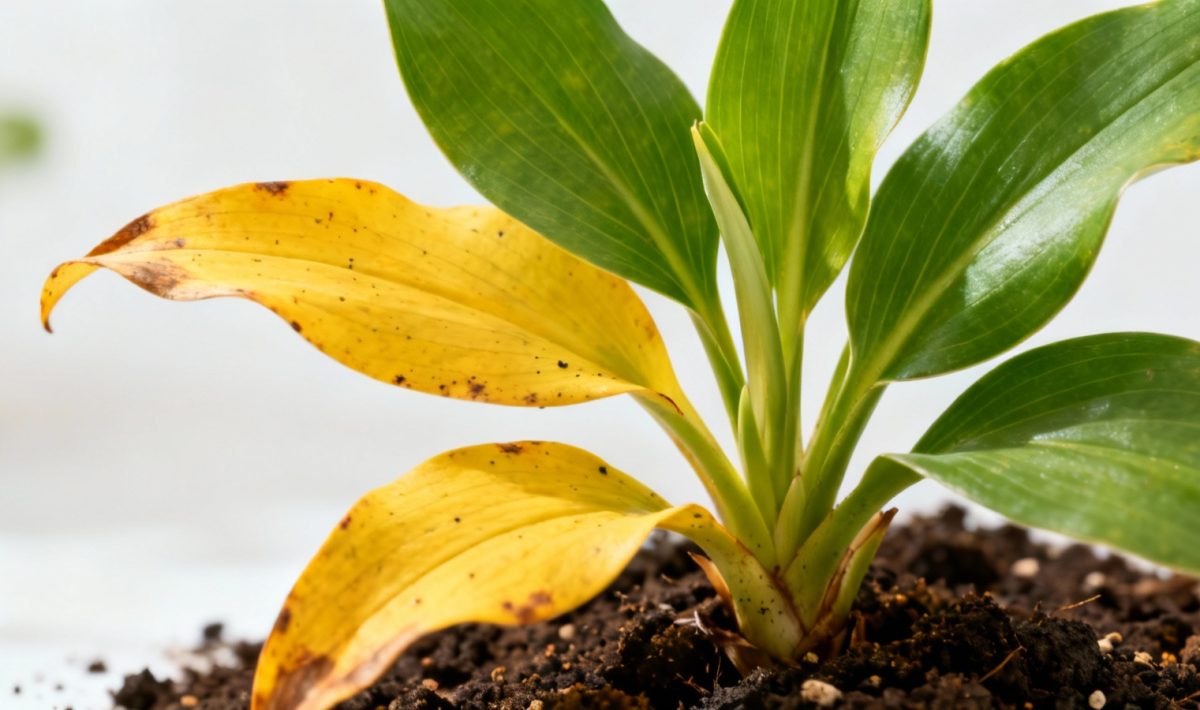
Why are my peruvian lily leaves turning yellow – causes and solutions
Nothing quite frustrates a plant lover like watching their beautiful Peruvian lily develop yellow leaves. These stunning botanical specimens, native to South America, are generally hardy plants that reward gardeners with spectacular blooms. However, when their leaves start turning yellow, it’s your plant’s way of telling you something needs attention.
The good news is that yellowing leaves in Peruvian lilies are often reversible with the right approach. Understanding the underlying causes will help you provide better support for your plant and prevent future issues from developing.
Peruvian lilies, scientifically known as Alstroemeria, are remarkable flowering plants that have captured gardeners’ hearts worldwide. These botanical treasures originated in the wild landscapes of South America, where they developed specific survival strategies that we need to understand for successful cultivation.
In their natural habitat, these plants thrive in well-draining soil with consistent moisture and filtered sunlight. They’re actually quite adaptable species that can flourish in various conditions when their basic needs are met. The key is recognizing what those needs are and how environmental stress manifests through their foliage.
✅ Quick Checklist
Is the soil too wet or too dry?
Is the plant getting 6+ hours of sunlight daily?
Have you fertilized in the last 2 months?
Are there visible pests under the leaves?
Does the pot have adequate drainage?
🔥 FREE
📱
Diagnose your plant in one click!
AI instant diagnosis • Personalized solutions • 50,000+ species
Water issues are the most common culprits behind yellow Peruvian lily leaves. Both overwatering and underwatering can stress your plant, but they manifest in slightly different ways that help you identify which problem you’re dealing with.
Overwatering creates soggy soil conditions that prevent roots from accessing oxygen. This leads to root rot, which shows up as yellowing leaves that feel soft and mushy. You might also notice a musty smell from the soil or see fungal growth on the surface.
Underwatering, on the other hand, causes leaves to turn yellow and crispy around the edges. The plant essentially sacrifices older leaves to conserve water for new growth. The soil will feel dry several inches down, and the entire plant may appear wilted.
To fix watering issues, check your soil moisture by inserting your finger 2-3 inches deep. Water when the top inch feels dry, but never let the plant sit in standing water. Ensure your pot has proper drainage holes and consider adding perlite to improve soil structure.
Light and temperature factors
Peruvian lilies prefer bright, filtered light rather than direct sun, especially during hot summer months. Too much intense sunlight can scorch leaves, causing them to yellow and brown at the tips. Conversely, insufficient light leads to pale, yellowing foliage as the plant struggles to photosynthesize effectively.
Temperature stress also plays a significant role in leaf health. These plants prefer moderate temperatures between 65-75°F (18-24°C). Sudden temperature changes, cold drafts, or excessive heat can shock the plant into dropping leaves or turning them yellow as a protective response.
If you’re growing your Peruvian lily indoors, place it near a north or east-facing window where it receives gentle morning light. Outdoor plants benefit from partial shade during the hottest part of the day, similar to how they would naturally grow under tree canopies in their native habitat.
Nutrient deficiencies and soil issues
Yellow leaves can signal various nutrient deficiencies, with nitrogen being the most common culprit. Nitrogen deficiency typically starts with older, lower leaves turning yellow while newer growth remains green. This is because plants naturally move nutrients to support new growth when resources are scarce.
Iron deficiency creates a different pattern called chlorosis, where leaves turn yellow but veins remain green, creating a striking contrast. This often occurs in alkaline soils where iron becomes unavailable to plant roots, even when it’s present in the soil.
Poor soil quality can compound nutrient problems. Heavy clay soils that don’t drain well or sandy soils that drain too quickly both create challenges for nutrient uptake. Adding organic matter like compost improves soil structure and provides slow-release nutrients that support healthy growth.
Feed your Peruvian lily with a balanced, slow-release fertilizer every 6-8 weeks during the growing season. Avoid over-fertilizing, which can actually burn roots and cause more yellowing. A gentle, organic approach often works better than synthetic fertilizers for these sensitive plants.
Pests and diseases affecting leaf health
Several pests can cause yellowing in Peruvian lily leaves, often by sucking plant juices or transmitting diseases. Aphids, spider mites, and thrips are common culprits that feed on leaf tissues, causing stippling, yellowing, and eventual leaf drop.
Spider mites are particularly troublesome in dry indoor conditions, creating fine webbing on leaves along with yellow speckling. These tiny pests multiply rapidly and can quickly damage an entire plant if left unchecked. Regular misting can help prevent infestations by increasing humidity around your plant.
Fungal diseases like leaf spot or root rot can also cause yellowing, often accompanied by brown spots or mushy areas. These issues typically develop in overly moist conditions with poor air circulation. Just as with causes of yellow leaves in peace lilies, addressing environmental conditions is crucial for recovery.
Inspect your plant weekly, checking both tops and undersides of leaves for signs of pest activity. Early detection makes treatment much more successful. Insecticidal soap or neem oil can effectively control most pest problems when applied consistently.
✅ Quick Checklist
Is the soil too wet or too dry?
Is the plant getting 6+ hours of sunlight daily?
Have you fertilized in the last 2 months?
Are there visible pests under the leaves?
Does the pot have adequate drainage?
🔥 FREE
📱
Diagnose your plant in one click!
AI instant diagnosis • Personalized solutions • 50,000+ species
Preventing yellow leaves is always easier than treating them after they appear. Establishing a consistent care routine helps your Peruvian lily maintain healthy, vibrant foliage throughout the growing season.
Start with proper planting practices. Use well-draining potting mix that retains some moisture but doesn’t stay soggy. A combination of peat moss, perlite, and compost creates an ideal growing medium that supports root health and nutrient availability.
Regular maintenance includes removing any yellow or damaged leaves promptly. This prevents the spread of diseases and redirects the plant’s energy toward healthy growth. Similar to reasons for yellowing honeysuckle leaves, environmental stress often shows up first in older foliage.
During winter months, reduce watering frequency but don’t let the plant completely dry out. Many varieties benefit from a cool dormancy period with temperatures around 50-60°F (10-15°C). This natural rest period helps them produce more vigorous growth and better flowering in spring.
Seasonal considerations and long-term plant health
Understanding seasonal changes in your Peruvian lily’s needs helps prevent many yellowing issues. During active growing seasons in spring and summer, plants require more frequent watering and feeding. However, as temperatures cool in fall, reduce both water and fertilizer to match the plant’s slowing metabolism.
Some yellowing is completely natural, especially as plants prepare for dormancy. Older leaves naturally yellow and drop as the plant conserves resources for winter survival. The key is distinguishing between normal seasonal changes and stress-related problems.
For long-term success, consider dividing established plants every 3-4 years. This rejuvenates the root system and prevents overcrowding that can lead to poor air circulation and increased disease pressure. Division also gives you the opportunity to refresh the growing medium and check for any root problems.
With proper care and attention to environmental needs, your Peruvian lily will reward you with years of beautiful blooms and healthy green foliage. Remember that these resilient plants have evolved sophisticated mechanisms for surviving challenging conditions, and with your support, they can thrive in your garden or home for many seasons to come.
Allan is a lifelong gardening enthusiast who still gets excited when the first seedlings pop up in spring. With a deep love for nature and a hands-in-the-soil approach, he shares practical tips, plant discoveries, and clever tricks picked up over years of digging, planting, and observing. Whether you’re a new gardener or have a shed full of tools, Allan writes like a neighbor who’s always happy to swap cuttings and stories over the fence.
You can find more about Allan’s work on Malt or connect with him on LinkedIn.