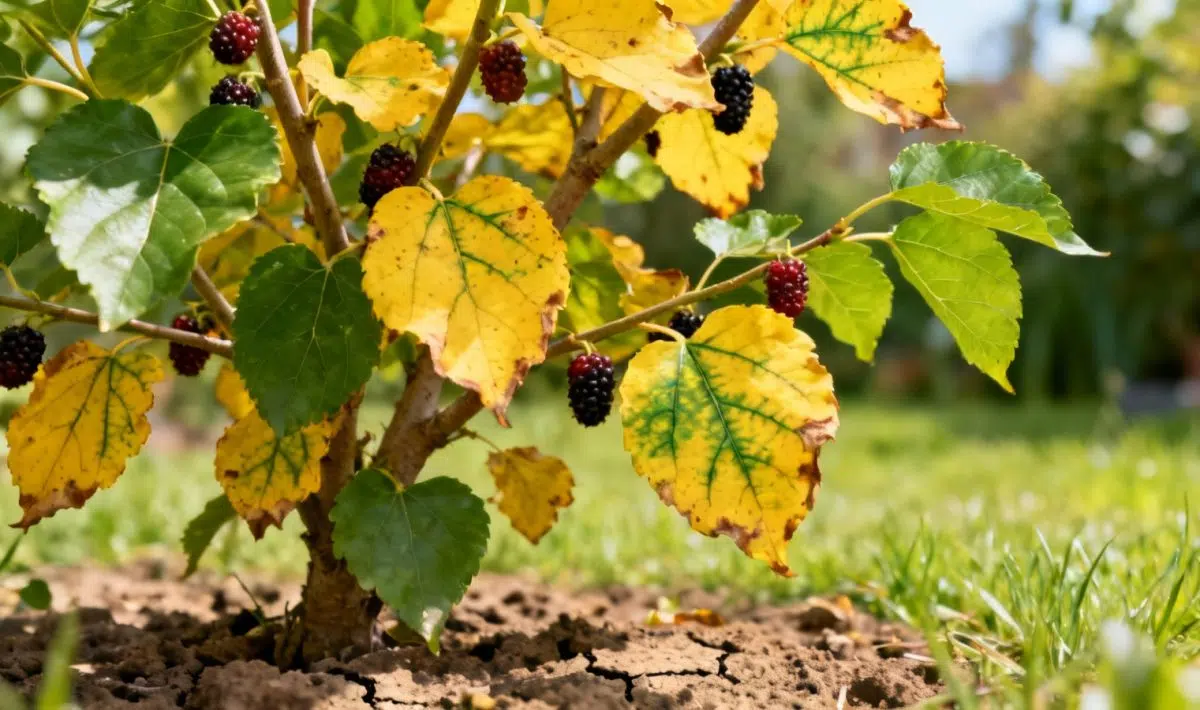
Why are my mulberry leaves turning yellow – causes and solutions for yellow foliage
Nothing’s more concerning than watching your beloved mulberry tree’s vibrant green leaves suddenly turn yellow. Many gardeners experience this frustrating issue, and honestly, it can be quite alarming when you don’t know what’s causing it. The good news is that yellowing leaves on mulberry trees are often fixable once you identify the root cause.
Yellow leaves can signal various problems, from simple watering issues to more complex diseases or pest infestations. Understanding these causes will help you take the right action to restore your tree’s health and prevent future problems.
Let’s start with the most frequent culprit – watering issues. Both overwatering and underwatering can cause your mulberry leaves to turn yellow, though they affect the plant in different ways.
Overwatering symptoms and solutions
When mulberry trees receive too much water, their roots become waterlogged and can’t absorb oxygen properly. This stress causes the leaves to yellow from the bottom up, often accompanied by a musty smell around the base of the tree. You might also notice the soil staying wet for days after watering.
To fix overwatering, reduce your watering frequency immediately and ensure your tree has proper drainage. Check the soil moisture by inserting your finger about 2 inches deep – it should be slightly moist but not soggy. For potted mulberries, make sure the container has drainage holes.
Underwatering signs and remedies
Conversely, when mulberry trees don’t get enough water, the leaves will yellow and become crispy around the edges. The yellowing typically starts with older leaves first, and the soil will feel dry and pull away from container edges.
Gradually increase your watering schedule, ensuring deep, thorough watering sessions rather than frequent shallow ones. Mulberry trees prefer consistent moisture levels throughout the growing season.
✅ Quick Checklist
Is the soil too wet or too dry?
Is the plant getting 6+ hours of sunlight daily?
Have you fertilized in the last 2 months?
Are there visible pests under the leaves?
Does the pot have adequate drainage?
🔥 FREE
📱
Diagnose your plant in one click!
AI instant diagnosis • Personalized solutions • 50,000+ species
When your mulberry tree lacks essential nutrients, the leaves often turn yellow as one of the first warning signs. Different nutrient deficiencies create distinct yellowing patterns that can help you diagnose the problem.
Nitrogen deficiency symptoms
Nitrogen deficiency is probably the most common nutritional cause of yellowing leaves. You’ll notice the older, lower leaves turning yellow first while newer growth remains green. The yellowing progresses from the leaf veins outward, and growth may slow significantly.
Apply a balanced fertilizer with a higher nitrogen content during the growing season. Organic options like compost or well-aged manure work wonderfully for mulberry trees and provide slow-release nutrition.
Iron deficiency and chlorosis
Iron deficiency causes a condition called chlorosis, where leaves turn yellow but the veins remain green, creating a distinctive striped appearance. This often occurs in alkaline soils where iron becomes unavailable to the plant even when present.
Test your soil pH – mulberries prefer slightly acidic to neutral soil (pH 6.0-7.0). If your soil is too alkaline, apply sulfur to lower the pH or use chelated iron supplements for quick results.
Diseases that cause yellowing foliage
Several diseases can attack mulberry trees and cause their leaves to yellow. Early identification and treatment are crucial for preventing serious damage to your tree.
Fungal infections
Fungal diseases like root rot, leaf spot, and powdery mildew commonly affect mulberry trees, especially in humid conditions. These infections typically start with yellowing leaves that may develop brown spots or a white, powdery coating.
Improve air circulation around your tree by pruning overcrowded branches and avoid overhead watering. Apply a copper-based fungicide according to package directions, and remove any fallen leaves to prevent reinfection. Similar yellowing patterns can occur in other fruit trees, such as the causes of yellowing pomegranate leaves, which share comparable fungal susceptibilities.
Viral infections
Viral diseases can cause irregular yellowing patterns, often with mosaic-like discoloration or ring spots on the leaves. Unfortunately, there’s no cure for viral infections, but you can prevent spread by controlling insect vectors and removing infected plant material.
Sterilize your pruning tools between cuts when working with infected trees, and consider removing severely affected branches to prevent further spread.
Pest problems and their impact
Various insects and pests can stress mulberry trees enough to cause yellowing leaves. Regular inspection helps you catch these problems early before they become serious.
Sap-sucking insects
Aphids, scale insects, and spider mites feed on plant sap, weakening the tree and causing leaves to yellow and drop. You’ll often find these pests on the undersides of leaves or along stems.
Spray affected areas with insecticidal soap or neem oil, focusing on leaf undersides where pests typically hide. Beneficial insects like ladybugs can also help control aphid populations naturally. This type of pest damage is also common in other plants, and you can find similar issues with reasons for yellowing honeysuckle leaves when dealing with comparable insect infestations.
Caterpillars and leaf-eating pests
While caterpillars don’t directly cause yellowing, their feeding damage can stress the tree and lead to secondary problems that result in yellow leaves. Heavy defoliation forces the tree to use stored energy reserves, weakening overall plant health.
Hand-pick larger caterpillars when possible, or use Bacillus thuringiensis (Bt) for organic control of caterpillar populations.
✅ Quick Checklist
Is the soil too wet or too dry?
Is the plant getting 6+ hours of sunlight daily?
Have you fertilized in the last 2 months?
Are there visible pests under the leaves?
Does the pot have adequate drainage?
🔥 FREE
📱
Diagnose your plant in one click!
AI instant diagnosis • Personalized solutions • 50,000+ species
Sometimes yellowing leaves result from environmental conditions that stress the tree. Understanding these factors helps you create better growing conditions for your mulberry.
Temperature extremes and seasonal changes
Sudden temperature changes, late frosts, or extreme heat can shock mulberry trees and cause rapid yellowing of leaves. This is particularly common when trees experience temperature swings of more than 20 degrees within 24 hours.
While you can’t control weather, you can protect your tree with mulch around the base to moderate soil temperature and provide shade during extreme heat waves.
Soil quality and drainage issues
Poor soil drainage, compacted soil, or extremely sandy soil that doesn’t retain moisture can stress mulberry trees. These conditions prevent proper root function and nutrient uptake, leading to yellowing leaves.
Improve your soil by adding organic compost to heavy clay soils for better drainage, or incorporating compost into sandy soils to improve water retention. Mulberry trees thrive in well-draining soil that stays consistently moist but never waterlogged.
Prevention and long-term care strategies
The best approach to preventing yellowing leaves is establishing good care habits from the start. Consistent care prevents most problems before they develop into serious issues.
Proper watering schedule
Establish a regular watering routine based on your climate and soil conditions. During the growing season, mulberry trees typically need about 1 inch of water per week, including rainfall. Water deeply but less frequently to encourage strong root development.
Regular fertilization program
Feed your mulberry tree with a balanced fertilizer in early spring and again in mid-summer. Organic options like compost tea or fish emulsion provide gentle, slow-release nutrition that won’t burn the roots.
Monitoring and early intervention
Check your mulberry tree weekly for signs of yellowing leaves, pests, or disease. Early detection allows for prompt treatment and prevents minor issues from becoming major problems. Keep a garden journal to track patterns and identify recurring issues.
Remember, some leaf yellowing is normal as older leaves age and drop, especially in fall. However, widespread yellowing during the growing season indicates a problem that needs attention. With proper care and quick action when problems arise, your mulberry tree can recover its vibrant green foliage and continue providing you with delicious fruit for years to come.
Allan is a lifelong gardening enthusiast who still gets excited when the first seedlings pop up in spring. With a deep love for nature and a hands-in-the-soil approach, he shares practical tips, plant discoveries, and clever tricks picked up over years of digging, planting, and observing. Whether you’re a new gardener or have a shed full of tools, Allan writes like a neighbor who’s always happy to swap cuttings and stories over the fence.
You can find more about Allan’s work on Malt or connect with him on LinkedIn.