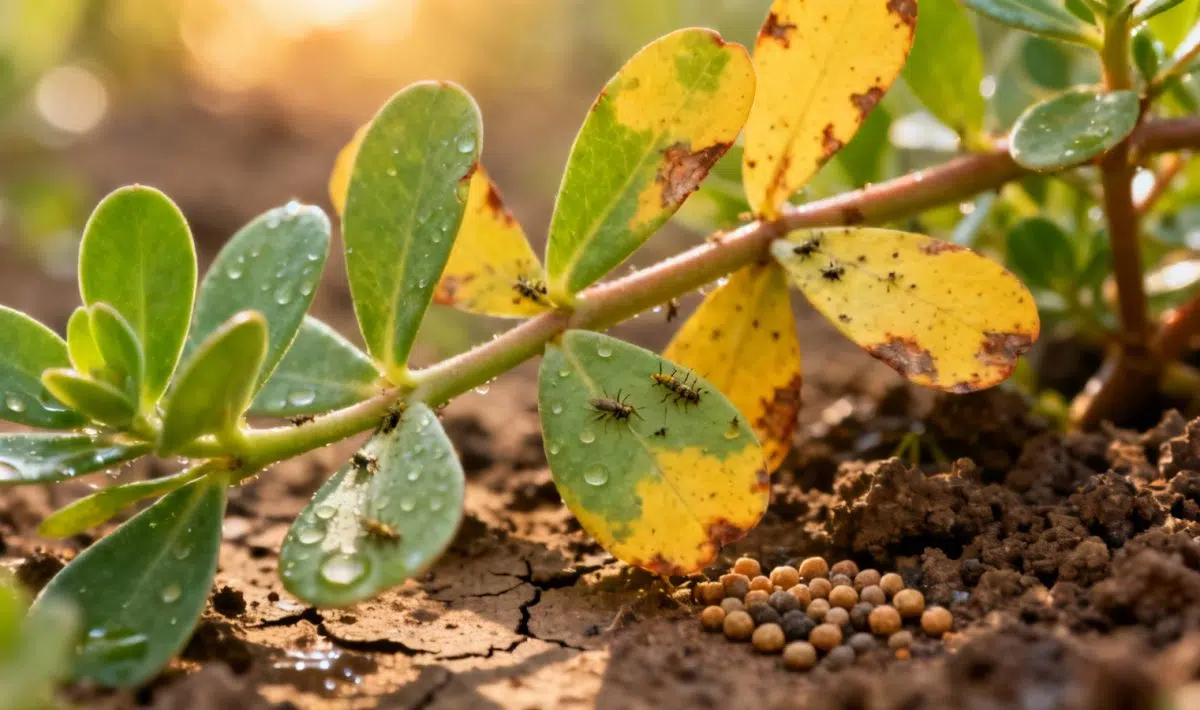
Why are my wingpod purslane leaves turning yellow – causes and solutions
Yellow leaves on your wingpod purslane can be frustrating, especially when this vibrant succulent is known for its resilience. Understanding why this happens will help you restore your plant’s health and prevent future issues. The good news is that most causes are easily fixable once you identify the root problem.
Understanding wingpod purslane and its basic needs
Wingpod purslane is a fascinating succulent plant that thrives in sunny conditions and well-draining soil. This annual plant produces colorful flowers and edible leaves, making it both ornamental and functional in your garden. Like most succulent plants, it stores water in its thick stems and leaves, which means it can tolerate drought better than excessive moisture.
For optimal care, your purslane needs at least 6 hours of direct sun daily. The plant performs best in temperatures between 65-80°F and requires soil that drains quickly. When growing in containers, ensure your pot has drainage holes to prevent water from sitting around the roots.
✅ Quick Checklist
Is the soil too wet or too dry?
Is the plant getting 6+ hours of sunlight daily?
Have you fertilized in the last 2 months?
Are there visible pests under the leaves?
Does the pot have adequate drainage?
🔥 FREE
📱
Diagnose your plant in one click!
AI instant diagnosis • Personalized solutions • 50,000+ species
The most common reason for yellowing leaves is improper watering. Over-watering creates soggy conditions that purslane cannot tolerate, causing roots to rot and leaves to turn yellow from the bottom up. On the flip side, severe under-watering will also stress the plant, though this succulent can handle drought better than most plants.
To fix watering issues, check the soil moisture by inserting your finger about one inch deep. Water only when the top inch feels completely dry. When you do water, give the plant a thorough drink until water drains from the bottom holes, then allow it to dry out again.
Nutrient deficiencies
Yellow leaves may indicate that your plant lacks essential nutrients, particularly nitrogen. This is especially common when growing purslane in poor soil or containers without regular fertilizing. The yellowing typically starts with older leaves at the bottom of the plant and progresses upward if not addressed.
Feed your purslane with a balanced, water-soluble fertilizer diluted to half strength every 4-6 weeks during the growing season. Avoid fertilizing during winter when plant growth slows down naturally.
Light and temperature stress
Insufficient sunlight can cause purslane leaves to yellow and become leggy. This plant needs bright, direct sun for at least 6 hours daily to maintain its vibrant color and compact growth. Similarly, sudden temperature changes or prolonged exposure to temperatures below 50°F will stress the plant and trigger leaf yellowing.
Move your purslane to a sunnier location if it’s not getting enough light. For container plants, this may mean relocating them throughout the day or choosing a permanently sunny spot. Protect outdoor plants from unexpected cold snaps by covering them or bringing containers indoors temporarily.
Identifying and treating common diseases
Fungal diseases can also cause yellow leaves in purslane, particularly in humid conditions or when leaves stay wet for extended periods. Root rot, leaf spot, and powdery mildew are the most frequent culprits. These problems often develop when plants are overcrowded or lack proper air circulation.
Similar yellowing patterns can occur in other plants, as seen with causes of yellow purslane leaves in common purslane varieties. The treatment approach involves improving growing conditions and removing affected foliage promptly.
To prevent fungal issues, ensure good air circulation around your plants and avoid watering the leaves directly. Remove any yellowed or spotted leaves immediately and dispose of them in the trash rather than composting. If the problem persists, apply a fungicidal spray according to package directions.
Proper care techniques for healthy purslane
Pruning and maintenance
Regular pruning helps keep your purslane healthy and encourages new growth. Pinch off spent blooms to redirect the plant’s energy into producing more flowers rather than seeds. You can also trim back leggy stems to promote bushier growth and better overall plant health.
When pruning, use clean, sharp scissors or pinch with your fingers. Remove any yellowed, damaged, or diseased leaves as soon as you notice them. This prevents problems from spreading and keeps your plant looking its best throughout the growing season.
Seasonal care adjustments
As an annual plant, purslane completes its life cycle in one growing season. However, you can extend its productive period by providing consistent care and protection from extreme weather. In hot climates, provide some afternoon shade to prevent stress, while in cooler areas, ensure maximum sun exposure.
For container growing, this flexibility allows you to move plants to optimal conditions throughout the season. Keep plants well-watered during bloom periods, but reduce watering as temperatures drop and growth slows in fall.
✅ Quick Checklist
Is the soil too wet or too dry?
Is the plant getting 6+ hours of sunlight daily?
Have you fertilized in the last 2 months?
Are there visible pests under the leaves?
Does the pot have adequate drainage?
🔥 FREE
📱
Diagnose your plant in one click!
AI instant diagnosis • Personalized solutions • 50,000+ species
The best approach to preventing yellow leaves is creating optimal growing conditions from the start. Choose a location with excellent drainage and full sun exposure. If planting in containers, select pots that are appropriately sized with multiple drainage holes to prevent waterlogging.
Establish a consistent care routine that includes checking soil moisture regularly, monitoring for pests, and providing support through proper fertilization. This pattern of care will help you catch potential problems early, before they cause significant yellowing or plant damage.
Interestingly, yellowing leaves can affect various plants in similar ways, much like the reasons for yellow honeysuckle leaves that gardeners often encounter. Understanding these common patterns helps you become a better plant care provider overall.
Remember that some natural leaf yellowing occurs as plants age or transition between seasons. The key is distinguishing between normal aging and problems that require intervention. With proper care and attention, your wingpod purslane will reward you with vibrant foliage and abundant blooms throughout the growing season.
Allan is a lifelong gardening enthusiast who still gets excited when the first seedlings pop up in spring. With a deep love for nature and a hands-in-the-soil approach, he shares practical tips, plant discoveries, and clever tricks picked up over years of digging, planting, and observing. Whether you’re a new gardener or have a shed full of tools, Allan writes like a neighbor who’s always happy to swap cuttings and stories over the fence.
You can find more about Allan’s work on Malt or connect with him on LinkedIn.