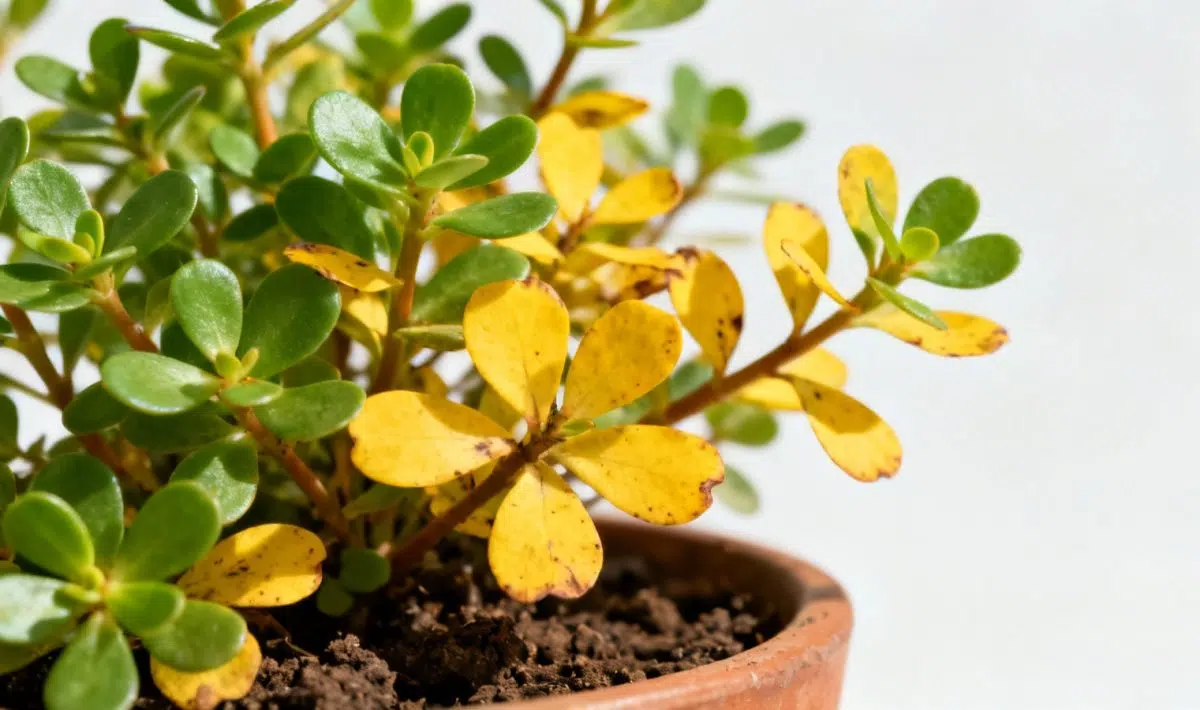
Why are my common purslane leaves turning yellow – causes and solutions
Seeing your common purslane leaves turning yellow can be quite concerning, especially when this succulent is typically known for its vibrant green foliage. This hardy plant usually thrives with minimal care, so when yellowing occurs, it’s often a sign that something in its environment needs adjustment. Understanding the underlying causes will help you restore your purslane to its healthy state and prevent future issues.
Environmental factors affecting purslane leaf color
Light exposure plays a crucial role in maintaining healthy purslane leaves. While this plant loves sunlight and typically requires at least six hours of direct sun daily, both insufficient and excessive light can cause yellowing. When purslane doesn’t receive enough sunlight, the leaves may turn pale yellow as the plant struggles to photosynthesize effectively.
On the other hand, sudden exposure to intense, scorching sun after being in partial shade can shock the plant. The leaves may develop yellow patches or edges as a protective response. Temperature fluctuations also significantly impact leaf health, with sudden cold snaps or extreme heat causing stress that manifests as yellowing foliage.
✅ Quick Checklist
Is the soil too wet or too dry?
Is the plant getting 6+ hours of sunlight daily?
Have you fertilized in the last 2 months?
Are there visible pests under the leaves?
Does the pot have adequate drainage?
🔥 FREE
📱
Diagnose your plant in one click!
AI instant diagnosis • Personalized solutions • 50,000+ species
Overwatering is perhaps the most common cause of yellow leaves in purslane. This succulent stores water in its thick leaves and stems, making it naturally drought-tolerant. When the soil remains consistently wet, the roots can’t breathe properly and may begin to rot. The first sign of this stress is often yellowing leaves that feel soft or mushy to the touch.
Conversely, severe underwatering can also cause yellowing, though this typically starts with the oldest leaves first. The plant will sacrifice older foliage to preserve water for new growth. You’ll notice the leaves becoming wrinkled and yellow before eventually dropping off. Similar leaf yellowing patterns can occur with other plants, as seen with causes of yellowing honeysuckle leaves, where water stress manifests in comparable ways.
The key to proper watering is allowing the soil to dry out completely between waterings. Stick your finger about two inches into the soil – if it feels dry, it’s time to water. When you do water, give the plant a thorough drink until water runs out of the drainage holes.
Nutritional deficiencies causing yellow leaves
Nutrient deficiencies can significantly impact leaf color in purslane. Nitrogen deficiency is particularly common and causes yellowing that typically starts with the older, lower leaves. The plant moves nitrogen from older leaves to support new growth, resulting in a characteristic yellowing pattern that progresses upward.
Iron deficiency presents differently, causing yellowing between the leaf veins while the veins themselves remain green. This condition, known as chlorosis, often occurs in soils with poor drainage or high pH levels that prevent iron absorption. Magnesium deficiency also causes yellowing, but it typically affects the areas between veins on older leaves first.
To address nutritional issues, consider using a balanced, diluted liquid fertilizer every few weeks during the growing season. However, be cautious not to over-fertilize, as purslane generally thrives in poor soils and excessive nutrients can cause more harm than good.
Soil quality and drainage considerations
Poor soil conditions often contribute to yellowing leaves in purslane. This plant thrives in well-draining, sandy soil that doesn’t retain excess moisture. Heavy clay soils or those with poor drainage can lead to waterlogged roots and subsequent leaf yellowing.
If you’re growing purslane in containers, ensure the pots have adequate drainage holes. For garden beds, consider amending heavy soil with coarse sand, perlite, or small gravel to improve drainage. The soil pH should ideally be slightly acidic to neutral, ranging from 6.0 to 7.0.
Pest and disease problems
While purslane is generally resistant to pests and diseases, certain issues can cause leaf yellowing. Aphids occasionally attack purslane, sucking sap from the leaves and causing them to turn yellow and distort. These tiny insects often cluster on new growth and the undersides of leaves.
Fungal diseases, though less common, can also cause yellowing. Root rot from overly wet conditions is the most serious fungal issue, causing yellowing that starts from the bottom of the plant and works upward. Leaf spot diseases may cause yellow spots or patches on the foliage.
Regular inspection of your plants helps catch pest and disease issues early. Similar yellowing patterns from various stressors can be observed in other plants too, such as reasons for yellow mugwort leaves, where environmental and care factors play crucial roles in leaf health.
✅ Quick Checklist
Is the soil too wet or too dry?
Is the plant getting 6+ hours of sunlight daily?
Have you fertilized in the last 2 months?
Are there visible pests under the leaves?
Does the pot have adequate drainage?
🔥 FREE
📱
Diagnose your plant in one click!
AI instant diagnosis • Personalized solutions • 50,000+ species
Sometimes, yellowing leaves on purslane are simply part of the natural aging process. Older leaves at the bottom of the plant naturally turn yellow and drop off as the plant focuses its energy on producing new growth. This is completely normal and not a cause for concern.
You can distinguish natural aging from problems by observing the pattern of yellowing. Natural aging typically affects the oldest leaves first, starting from the bottom of the plant, while stress-related yellowing may appear randomly or affect newer growth as well.
Prevention and recovery strategies
Preventing yellow leaves in purslane starts with providing optimal growing conditions. Ensure your plant receives adequate sunlight, has well-draining soil, and follows a proper watering schedule. During hot summer months, some afternoon shade can help prevent heat stress that leads to yellowing.
If you notice yellowing leaves, act quickly to identify and address the cause. Remove any severely yellowed or damaged leaves to prevent the spread of disease and redirect the plant’s energy toward healthy growth. With proper care adjustments, most purslane plants recover quickly from leaf yellowing issues.
Regular monitoring of your purslane’s health allows you to catch problems early. Check the soil moisture weekly, inspect for pests monthly, and observe how the plant responds to seasonal changes. This proactive approach helps maintain vibrant, healthy foliage throughout the growing season.
Allan is a lifelong gardening enthusiast who still gets excited when the first seedlings pop up in spring. With a deep love for nature and a hands-in-the-soil approach, he shares practical tips, plant discoveries, and clever tricks picked up over years of digging, planting, and observing. Whether you’re a new gardener or have a shed full of tools, Allan writes like a neighbor who’s always happy to swap cuttings and stories over the fence.
You can find more about Allan’s work on Malt or connect with him on LinkedIn.