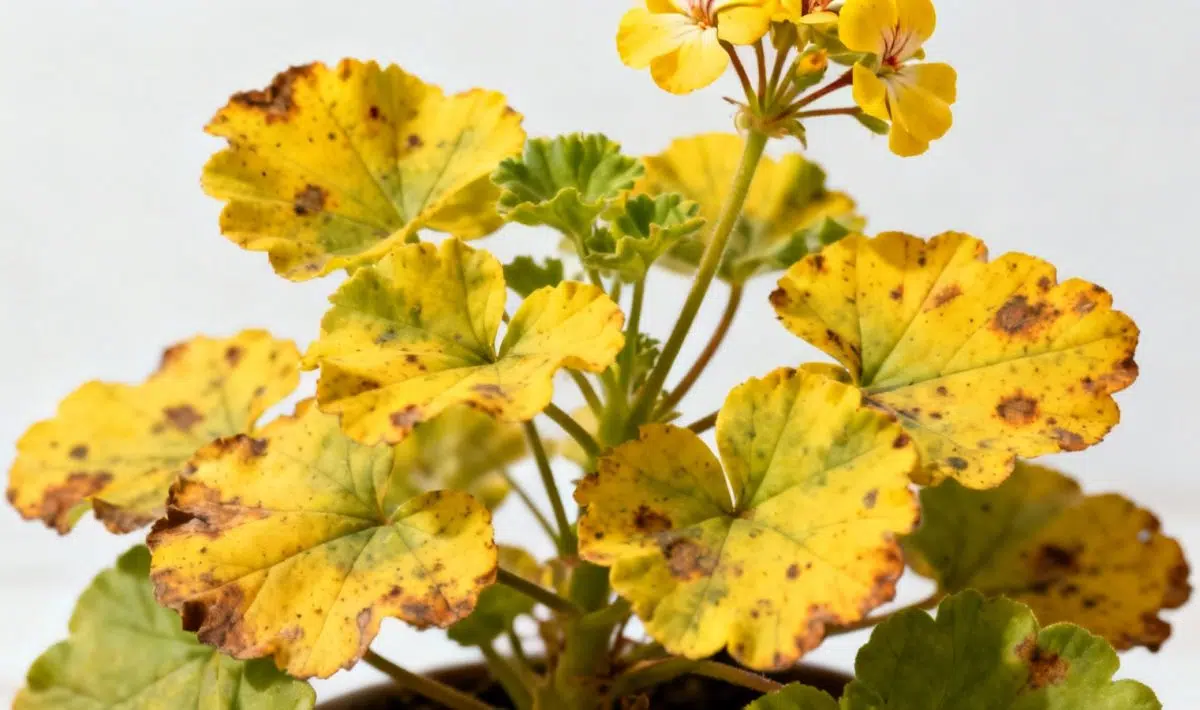
Why are my sweet william leaves turning yellow – plant disease identification
Seeing your beautiful Sweet William plants develop yellow leaves can be quite concerning, especially when you’ve put effort into creating a vibrant garden. This common issue affects many gardeners, and understanding the underlying causes is the first step toward restoring your plant’s health. Yellow leaves on Sweet William can signal various problems, from simple watering issues to more complex diseases that require immediate attention.
Sweet William (Dianthus barbatus) is a charming biennial flower that belongs to the carnation family. These hardy plants typically produce clusters of fragrant blooms in their second year, making them a favorite for cottage gardens and Mediterranean landscapes. The plant naturally develops green, lance-shaped leaves that form dense clumps, and when healthy, these leaves should maintain their vibrant color throughout the growing season.
Each Sweet William variety has slightly different characteristics, but most species share similar leaf structures and growth patterns. The leaves grow in opposite pairs along the stem, and their health directly impacts the plant’s ability to produce those stunning flower displays we all love. When leaves begin yellowing, it’s often the plant’s way of telling you something needs attention.
✅ Quick Checklist
Is the soil too wet or too dry?
Is the plant getting 6+ hours of sunlight daily?
Have you fertilized in the last 2 months?
Are there visible pests under the leaves?
Does the pot have adequate drainage?
🔥 FREE
📱
Diagnose your plant in one click!
AI instant diagnosis • Personalized solutions • 50,000+ species
One of the most frequent culprits behind yellowing Sweet William leaves is leaf spot disease. This fungal infection typically starts with small, dark spots that gradually expand and cause the surrounding leaf tissue to turn yellow. The disease thrives in humid conditions and spreads rapidly when leaves remain wet for extended periods. You’ll often notice the spots first on lower leaves, where moisture tends to accumulate.
Managing leaf spot requires immediate action to prevent its spread throughout your garden. Remove affected leaves as soon as you spot them, making sure to dispose of them away from your compost pile. Avoid watering from above, and instead water at the base of the plant to keep leaves dry. Similar yellowing patterns can occur in other plants, such as the reasons for alyssum leaf discoloration, which shares some common fungal issues with Sweet William.
Blight and its devastating effects
Blight represents a more serious threat to your Sweet William plants than simple leaf spot. This aggressive disease can cause entire sections of the plant to yellow and wilt rapidly, often starting from the stem and working outward. Bacterial blight, in particular, creates water-soaked lesions that quickly turn brown and spread throughout the plant tissue.
When blight strikes, you’ll need to act fast to save your remaining plants. Cut back affected areas at least two inches below visible symptoms, sterilizing your pruning shears between cuts with rubbing alcohol. Improve air circulation around your plants and consider applying a copper-based fungicide as a preventive measure for healthy specimens nearby.
Environmental factors affecting leaf color
Nutrition deficiencies and soil health
Yellow leaves often indicate that your Sweet William isn’t getting the nutrients it needs to thrive. Nitrogen deficiency is particularly common and typically shows up as yellowing that starts with older, lower leaves and gradually moves upward. However, this isn’t the only nutritional culprit – iron deficiency can cause younger leaves to yellow while veins remain green, creating a distinctive pattern.
Testing your soil pH can reveal important information about nutrient availability. Sweet William prefers slightly alkaline soil with a pH between 6.5 and 7.0. If your soil is too acidic, nutrients become locked up and unavailable to the plant, regardless of how much fertilizer you apply. Adding lime can help adjust pH levels, while a balanced, slow-release fertilizer provides steady nutrition throughout the growing season.
Water stress and drainage issues
Both overwatering and underwatering can cause Sweet William leaves to turn yellow, though each creates different symptoms. Overwatered plants typically show yellowing accompanied by soft, mushy stems and a general look of decline. The roots may be rotting in waterlogged soil, preventing proper nutrient uptake.
On the flip side, drought-stressed plants develop crispy, yellow leaves that may drop prematurely. The plant sacrifices older leaves to conserve water for new growth. Creating proper drainage is crucial – Sweet William needs consistently moist but never soggy soil. Adding compost or coarse sand can improve drainage in heavy clay soils.
✅ Quick Checklist
Is the soil too wet or too dry?
Is the plant getting 6+ hours of sunlight daily?
Have you fertilized in the last 2 months?
Are there visible pests under the leaves?
Does the pot have adequate drainage?
🔥 FREE
📱
Diagnose your plant in one click!
AI instant diagnosis • Personalized solutions • 50,000+ species
When you first notice yellow leaves on your Sweet William, start with the basics. Remove any affected foliage immediately, cutting back to healthy tissue. This prevents diseases from spreading and redirects the plant’s energy toward healthy growth. If the yellowing appears to be disease-related, apply an appropriate fungicide according to label directions.
For nutrient-related yellowing, a quick-acting liquid fertilizer can provide fast relief while you address underlying soil issues. Choose a balanced formula with micronutrients, and apply it every two weeks until you see improvement. However, don’t overdo it – too much fertilizer can actually worsen some problems. Interestingly, other garden plants can experience similar issues, like the causes of yellowing honeysuckle leaves, which often share environmental stress factors with Sweet William.
Long-term prevention practices
Creating the right growing conditions from the start is your best defense against yellow leaves. Choose a planting site with good air circulation and morning sunlight, as this helps leaves dry quickly after watering or rain. Avoid overcrowding plants, which can create humid microclimates perfect for disease development.
Establishing a consistent care routine makes a huge difference in plant health. Water deeply but less frequently, encouraging roots to grow down rather than staying shallow. Mulch around plants to maintain consistent soil moisture and temperature, but keep mulch away from the stem base to prevent rot issues.
Maintaining healthy Sweet William plants
Regular monitoring is key to catching problems early, before they become serious. Check your plants weekly, looking for changes in leaf color, texture, or growth patterns. Early intervention is always more effective than trying to rescue severely damaged plants.
Consider companion planting with species that have similar growing requirements but different susceptibilities to pests and diseases. This diversity can help create a more balanced garden ecosystem. Additionally, rotating your annual flowers and avoiding planting Sweet William in the same spot year after year can help break disease cycles in the soil.
Remember that some yellowing is natural, especially on older lower leaves as the plant matures. The key is distinguishing between normal aging and problematic yellowing that requires intervention. With proper care and attention, your Sweet William plants can recover from most yellowing issues and go on to produce the beautiful, fragrant blooms that make them such garden favorites.
Allan is a lifelong gardening enthusiast who still gets excited when the first seedlings pop up in spring. With a deep love for nature and a hands-in-the-soil approach, he shares practical tips, plant discoveries, and clever tricks picked up over years of digging, planting, and observing. Whether you’re a new gardener or have a shed full of tools, Allan writes like a neighbor who’s always happy to swap cuttings and stories over the fence.
You can find more about Allan’s work on Malt or connect with him on LinkedIn.