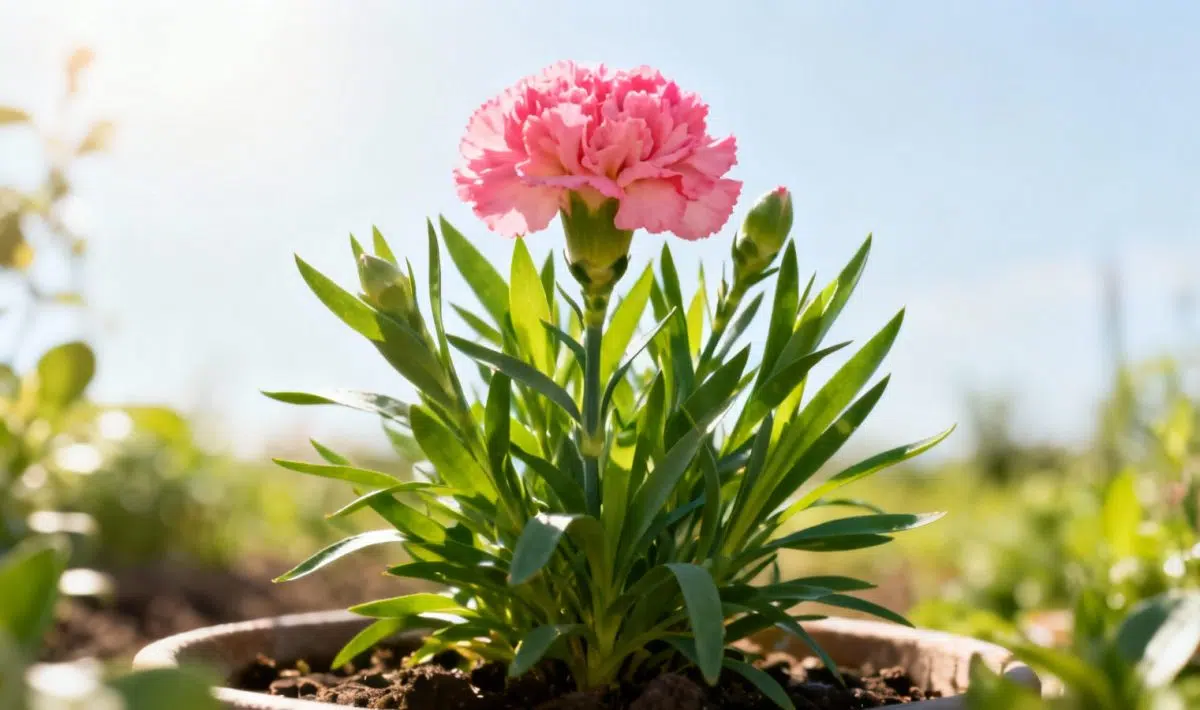
Understanding carnation sunlight requirements for healthy growth
Carnations are absolutely stunning flowers that can transform any garden into a colorful paradise. These beautiful blooms thrive best with proper sunlight exposure, and getting this right from the start will make all the difference in your gardening success. If you’re wondering how much sunlight does carnation need, you’ll be pleased to know that these hardy flowers are quite accommodating when it comes to light requirements.
Most carnation varieties require at least 4 to 6 hours of direct sunlight daily for optimal growth and flowering. However, they perform best with full sun exposure, which means 6 or more hours of direct sunlight throughout the day. This generous amount of light helps them develop strong stems, vibrant colors, and abundant blooms that you’ll absolutely love.
Germination and early growth light needs
When you’re starting carnations from seeds, proper lighting becomes even more critical for successful germination. The seeds need consistent light exposure to trigger their natural growing processes. You can start these premium seeds indoors with grow lights or place them in a sunny windowsill that receives plenty of natural light throughout the day.
For fast germination, maintain temperatures around 65-70°F and provide bright, indirect light. The organic nature of good quality carnation seeds means they’ll respond well to gentle morning sunlight. Once your seedlings develop their first true leaves, you can gradually introduce them to more direct sunlight to prepare them for outdoor planting.
Best practices for seed starting
Starting carnation seeds requires attention to detail, but the results are incredibly rewarding. Use well-draining soil and keep it consistently moist during the germination period. Place your seed trays where they can receive bright light without being scorched by intense afternoon sun.
Adult carnation sunlight requirements
Once your carnations are established in the garden, they become quite resilient and can handle various lighting conditions. However, for the most spectacular flower displays, aim for full sun exposure. These perennial beauties will reward you with continuous blooms when they receive adequate sunlight.
In regions with extremely hot summers, carnations appreciate some afternoon shade to prevent stress. Morning sunlight is particularly beneficial as it helps dry dew from the leaves, reducing the risk of fungal diseases. Just like you might consider the optimal sunlight for Guernsey fleabane when planning your garden layout, positioning carnations in the right spot is crucial for their success.
Dealing with partial shade conditions
While carnations prefer full sun, they can tolerate partial shade reasonably well. In areas that receive 4-5 hours of direct sunlight, you’ll still get decent blooms, though they may be less abundant. The key is ensuring that whatever sunlight they do receive is quality light, not filtered through dense tree canopy.
If your garden has challenging lighting conditions, similar to considerations for sunlight requirements for creeping bellflower, choose compact carnation varieties that are more tolerant of lower light conditions. These types often have better success rates in partially shaded areas.
Varieties and their specific light preferences
Different carnation varieties have slightly varying light requirements, which is something many gardeners overlook. Giant carnation varieties typically need more sunlight to support their larger blooms and taller stems. These impressive flowers require the full 6+ hours of direct sunlight to reach their maximum potential.
Mixed carnation collections often include both sun-loving and more shade-tolerant varieties. When you plant a diverse selection, you can create beautiful displays that work well in different areas of your garden. Some heirloom varieties are particularly hardy and can adapt to various lighting conditions better than modern hybrids.
Compact vs. standard varieties
Compact carnation varieties are excellent choices for container gardening and smaller spaces. These plants generally require the same amount of sunlight as their larger cousins but are more manageable in terms of maintenance. They’re perfect for beginners who want to experience success with carnations without too much complexity.
Standard varieties offer more dramatic visual impact and are ideal for cutting gardens. Much like planning the necessary sunlight for tree of heaven in larger landscapes, these carnations need adequate space and full sun exposure to truly shine.
Seasonal considerations and light management
Understanding how seasonal changes affect light availability is crucial for carnation care. During spring and early summer, when days are longer, your carnations will receive maximum benefit from extended daylight hours. This is when you’ll see their most vigorous growth and heaviest blooming periods.
In late summer and fall, as days become shorter, carnations may need some assistance to maintain their blooming schedule. Deadheading spent flowers becomes more important during these periods to encourage continued flowering. The reduced light hours mean the plant needs to focus its energy more efficiently.
Winter care varies depending on your climate zone. In milder areas, carnations can continue growing with whatever natural light is available. However, in colder regions, you might want to consider bringing potted carnations indoors or providing some protection while they’re dormant.
Troubleshooting common light-related problems
When carnations don’t receive enough sunlight, they exhibit several telltale signs. Leggy growth with weak stems is often the first indicator that your plants need more light. The flowers may also be smaller and less vibrant than expected, and overall plant vigor will decline noticeably.
Too much intense sunlight can also cause problems, particularly in very hot climates. Leaf scorch, wilting during peak sun hours, and premature flower fading are signs that your carnations might benefit from some afternoon shade. Finding the right balance is key to long-term success.
Consider the specific needs of different garden plants when planning your layout. For instance, understanding sunlight needs of giant onion can help you create complementary plantings that work well together in terms of light requirements.
Companion planting and light sharing
Creating a well-designed garden involves understanding how different plants can work together regarding light requirements. Carnations pair beautifully with other sun-loving flowers that have similar needs. This approach maximizes the use of your available garden space while ensuring all plants receive adequate lighting.
When planning mixed borders, consider how mature plant sizes will affect light distribution. Taller plants should generally be positioned to avoid casting shade on your carnations during peak growing hours. Strategic planning in this regard, much like considering sunlight for common yew in gardens, ensures long-term garden success.
Some gardeners create tiered plantings where carnations occupy the sunniest spots, while more shade-tolerant plants fill in areas that receive less direct light. This approach maximizes both aesthetic appeal and plant health throughout the growing season.
Optimizing your carnation garden setup
Creating the ideal environment for your carnations involves more than just ensuring adequate sunlight. Good air circulation around the plants helps prevent disease while allowing them to make the most of available light. Avoid overcrowding, which can create unnecessary shade and competition.
Soil preparation plays a crucial role in how well plants can utilize the sunlight they receive. Well-draining, nutrient-rich soil allows carnations to develop strong root systems that can support healthy above-ground growth. Regular feeding during the growing season helps them maintain vigor even during stressful periods.
Consider the long-term aspects of your garden design as well. Trees and shrubs will grow and potentially change light patterns over time. Planning for these future changes, similar to considerations for optimal sunlight for guava production, ensures your carnation garden remains successful for years to come.
Seasonal maintenance tips
Regular maintenance throughout the growing season helps carnations make the most of available sunlight. Remove any dead or diseased foliage that might shade healthy growth. Keep weeds under control, as they compete for both light and nutrients.
Mulching around carnations helps regulate soil temperature and moisture while preventing weed growth. However, avoid piling mulch directly against plant stems, as this can create conditions that promote disease and pest problems.
Getting the most from your carnation investment
Whether you’re starting from seeds or purchasing established plants, understanding sunlight requirements helps ensure you get the best return on your gardening investment. Healthy, well-lit carnations produce more flowers over a longer period, giving you excellent value for your gardening efforts.
These versatile flowers are perfect for both ornamental gardens and cutting gardens. With proper light exposure and care, a well-established carnation planting can provide years of beautiful blooms. They’re also excellent choices for beginning gardeners who want to experience quick success with relatively low-maintenance plants.
Remember that gardening is a learning process, and each season brings new insights. Keep notes about how your carnations respond to different lighting conditions in your specific garden environment. This information will prove invaluable for future planting decisions and help you create an even more successful garden next year.
Allan is a lifelong gardening enthusiast who still gets excited when the first seedlings pop up in spring. With a deep love for nature and a hands-in-the-soil approach, he shares practical tips, plant discoveries, and clever tricks picked up over years of digging, planting, and observing. Whether you’re a new gardener or have a shed full of tools, Allan writes like a neighbor who’s always happy to swap cuttings and stories over the fence.
You can find more about Allan’s work on Malt or connect with him on LinkedIn.