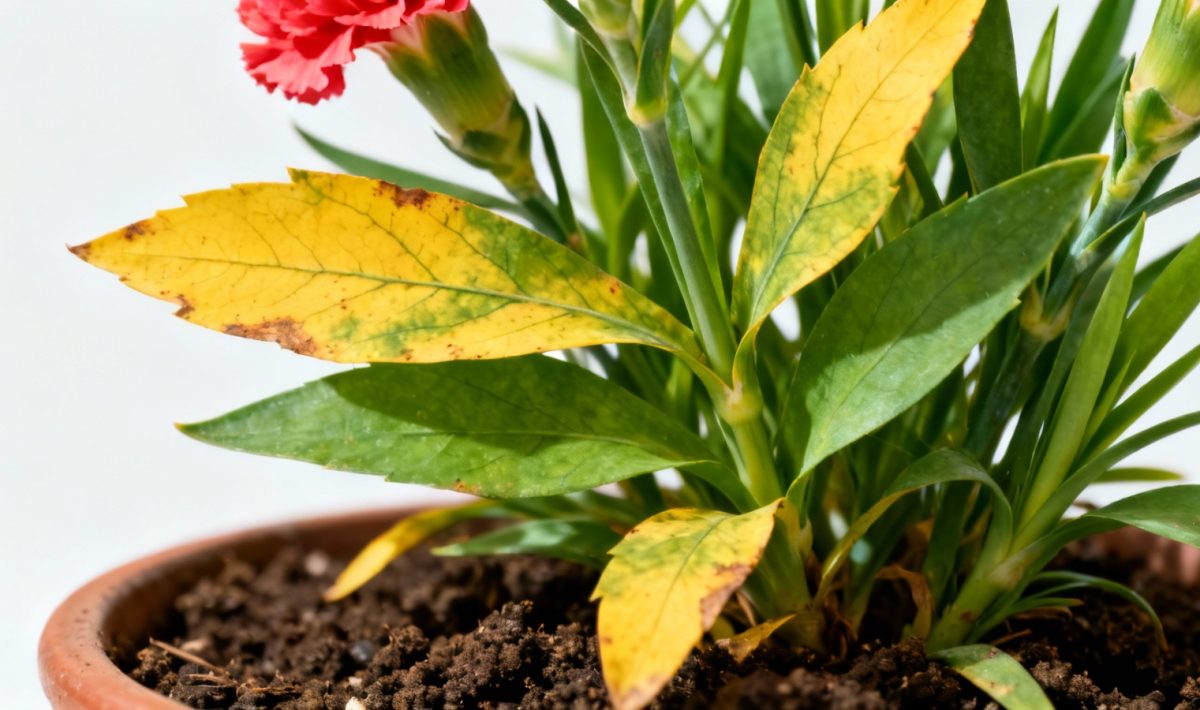
Why are my carnation leaves turning yellow – causes and solutions
Seeing your beautiful carnation flowers develop yellow leaves can be concerning, but don’t worry – this common issue has several identifiable causes and effective solutions. Understanding why are my carnation leaves turning yellow is the first step toward restoring your plants to their natural, vibrant green state.
Yellow leaves on carnations typically indicate stress from environmental factors, watering problems, nutrient imbalances, or pest issues. The good news is that with proper diagnosis and care adjustments, you can often reverse this condition and prevent it from happening again.
Several factors can cause your carnation leaves to turn yellow, and identifying the root cause is essential for effective treatment. Environmental stress, improper watering, and nutrient deficiencies are among the most common culprits affecting these delicate flowers.
Environmental factors affecting carnations
Light conditions play a crucial role in carnation health. These flowers need at least six hours of bright, indirect sunlight daily to maintain their natural green foliage. Insufficient light can cause leaves to yellow and drop, while excessive direct sunlight during hot summer days can scorch the delicate leaf tissues.
Temperature extremes also stress carnations significantly. When temperatures consistently exceed 75°F (24°C) or drop below 50°F (10°C), the plants respond by yellowing their lower leaves first. This natural response helps the plant conserve energy during stressful periods.
✅ Quick Checklist
Is the soil too wet or too dry?
Is the plant getting 6+ hours of sunlight daily?
Have you fertilized in the last 2 months?
Are there visible pests under the leaves?
Does the pot have adequate drainage?
🔥 FREE
📱
Diagnose your plant in one click!
AI instant diagnosis • Personalized solutions • 50,000+ species
Overwatering is one of the most frequent causes of yellow carnation leaves. When soil remains constantly wet, root rot develops, preventing the plant from absorbing nutrients properly. Similarly, causes of yellowing papaya leaves often involve similar water-related issues that affect plant health.
Conversely, underwatering stresses carnations and causes them to yellow their oldest leaves first. The plant does this to conserve water for its most vital parts. Proper watering involves checking soil moisture regularly and ensuring good drainage.
Nutrient deficiencies and imbalances
Carnations require balanced nutrition to maintain their vibrant green foliage and produce beautiful blooms. When essential nutrients are lacking, yellowing leaves often serve as the first warning sign.
Critical nutrients for healthy carnations
Nitrogen deficiency causes the most dramatic yellowing in carnations. This essential nutrient supports green leaf production and overall plant vigor. When nitrogen levels are low, older leaves turn yellow first while newer growth remains green.
Iron deficiency creates a different pattern – young leaves develop yellow coloring between their veins while the veins themselves remain green. This condition, called chlorosis, often occurs in alkaline soils where iron becomes unavailable to the plant.
Other important nutrients include:
Magnesium for chlorophyll production
Potassium for overall plant health and disease resistance
Phosphorus for root development and flower formation
Calcium for cell wall strength
Fertilizer-related issues
Over-fertilization can be just as problematic as nutrient deficiency. Too much fertilizer, especially nitrogen, can burn carnation roots and cause rapid yellowing. This typically happens when gardeners apply concentrated fertilizers without proper dilution or frequency.
Common diseases and pests
Several diseases and pests specifically target carnations and can cause yellowing leaves. Early identification and treatment are crucial for saving affected plants.
Fungal diseases
Fusarium wilt causes carnation leaves to yellow and wilt progressively from the bottom up. This soil-borne fungus attacks the plant’s vascular system, preventing proper water and nutrient transport. Affected plants often show yellowing on one side first before the entire plant succumbs.
Root rot, typically caused by Phytophthora or Pythium fungi, develops in waterlogged conditions. The yellowing starts with lower leaves and spreads upward as the root system deteriorates. Affected soil often has a musty odor.
Pest infestations
Aphids commonly attack carnations and can cause yellowing through their feeding activity. These small insects cluster on new growth and flower buds, sucking plant juices and potentially transmitting viral diseases.
Spider mites thrive in hot, dry conditions and cause stippled yellowing on leaves. Look for fine webbing on leaf undersides and tiny moving specks that indicate their presence. Just like reasons for yellow cabbage leaves can include pest damage, carnations face similar threats from these common garden pests.
✅ Quick Checklist
Is the soil too wet or too dry?
Is the plant getting 6+ hours of sunlight daily?
Have you fertilized in the last 2 months?
Are there visible pests under the leaves?
Does the pot have adequate drainage?
🔥 FREE
📱
Diagnose your plant in one click!
AI instant diagnosis • Personalized solutions • 50,000+ species
Once you’ve identified the cause of yellowing leaves, implementing the right solution can restore your carnations to health. Most problems respond well to proper care adjustments when caught early.
Optimizing watering practices
Establish a consistent watering schedule that allows soil to dry slightly between waterings. Check moisture levels by inserting your finger 2 inches into the soil – if it feels dry, it’s time to water deeply until excess drains from the bottom.
Improve drainage by adding perlite or coarse sand to heavy soils. For container plants, ensure pots have adequate drainage holes and use well-draining potting mix designed for flowering plants.
Correcting nutrient issues
Apply a balanced fertilizer (10-10-10 or 14-14-14) every 4-6 weeks during the growing season. For nitrogen deficiency, use a higher nitrogen formula initially, then switch to balanced nutrition once green color returns.
Address iron deficiency with chelated iron supplements or by lowering soil pH with sulfur amendments. Most carnations prefer slightly acidic to neutral soil (pH 6.0-7.0) for optimal nutrient uptake.
Managing pests and diseases
Remove affected leaves immediately and dispose of them in household trash, not compost. This prevents disease spread and eliminates pest breeding sites.
For fungal issues, improve air circulation around plants and avoid overhead watering. Apply appropriate fungicides if problems persist, following label instructions carefully.
Control pests with insecticidal soap or neem oil spray, applying in early morning or evening to avoid leaf burn. Regular monitoring helps catch infestations early when treatment is most effective.
Long-term care strategies
Prevention remains the best approach for maintaining healthy carnation plants. Regular monitoring, proper spacing, and consistent care practices significantly reduce the likelihood of yellowing leaves.
Space plants adequately to ensure good air circulation, which prevents fungal diseases and reduces pest problems. Remove spent flowers regularly to redirect energy into healthy foliage and continued blooming.
Consider companion planting with herbs like basil or marigolds, which naturally repel many common pests. This integrated approach creates a healthier garden ecosystem that supports your carnations naturally.
Allan is a lifelong gardening enthusiast who still gets excited when the first seedlings pop up in spring. With a deep love for nature and a hands-in-the-soil approach, he shares practical tips, plant discoveries, and clever tricks picked up over years of digging, planting, and observing. Whether you’re a new gardener or have a shed full of tools, Allan writes like a neighbor who’s always happy to swap cuttings and stories over the fence.
You can find more about Allan’s work on Malt or connect with him on LinkedIn.