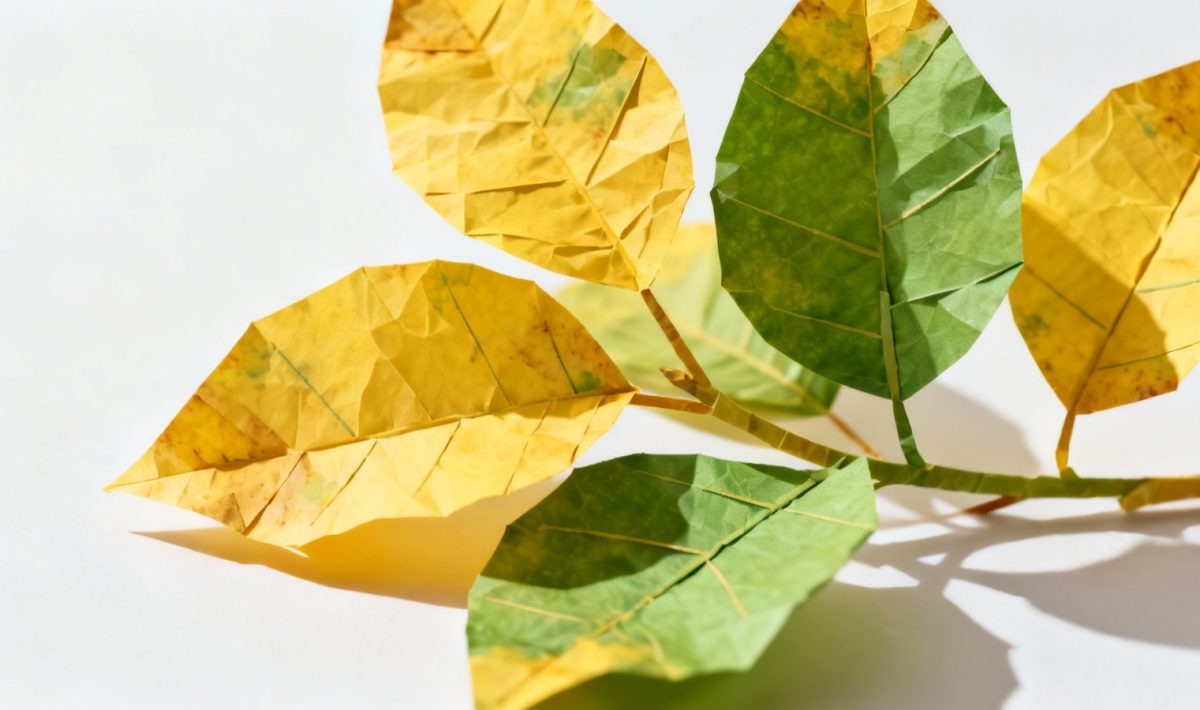
Why are my paperplant leaves turning yellow – causes and solutions
Seeing your beloved paperplant’s leaves turning yellow can be quite concerning, especially when you’ve been caring for it diligently. This common issue affects many plant enthusiasts, but the good news is that yellowing leaves often signal specific problems that can be addressed with the right approach. Understanding the underlying causes will help you restore your plant’s vibrant green appearance and ensure its long-term health.
Yellow leaves on paperplants typically indicate stress from environmental factors, watering issues, or nutrient deficiencies. However, it’s important to remember that some yellowing is completely normal as plants naturally shed older leaves to make room for new growth. The key is distinguishing between natural aging and problematic yellowing that requires immediate attention.
The most frequent culprit behind yellowing paperplant leaves is improper watering. Both overwatering and underwatering can cause significant stress to your plant’s root system, leading to yellowing and eventual leaf drop. When soil remains consistently wet, roots become waterlogged and unable to absorb nutrients effectively, while drought stress prevents proper nutrient transport throughout the plant.
Light exposure plays an equally crucial role in maintaining healthy green foliage. Paperplants require bright, indirect light for optimal photosynthesis. Too much direct sunlight can scorch the leaves, causing them to turn yellow and brown, while insufficient light leads to pale, yellowing leaves as the plant struggles to produce chlorophyll.
✅ Quick Checklist
Is the soil too wet or too dry?
Is the plant getting 6+ hours of sunlight daily?
Have you fertilized in the last 2 months?
Are there visible pests under the leaves?
Does the pot have adequate drainage?
🔥 FREE
📱
Diagnose your plant in one click!
AI instant diagnosis • Personalized solutions • 50,000+ species
Nutrient deficiencies represent another significant factor in leaf yellowing. Nitrogen deficiency typically causes older leaves to yellow first, starting from the bottom of the plant and working upward. Iron deficiency, on the other hand, affects younger leaves and causes yellowing while veins remain green. Poor soil quality or inadequate fertilization can lead to these nutrient imbalances over time.
Identifying specific yellowing patterns
The pattern of yellowing can provide valuable clues about the underlying issue. When leaves turn yellow from the bottom up, this usually indicates natural aging or nitrogen deficiency. If yellowing starts from leaf edges and moves inward, you’re likely dealing with potassium deficiency or water stress.
Sudden yellowing across multiple leaves often points to shock from environmental changes, such as temperature fluctuations or recent repotting. Similarly, many plant varieties experience yellowing when exposed to cold drafts or when temperatures drop below their comfort zone. This is particularly relevant for species like the causes of yellowing carnation leaves, which share similar stress responses to environmental changes.
Pest infestations can also cause yellowing, though this is typically accompanied by other symptoms like sticky honeydew, webbing, or visible insects. Spider mites, aphids, and scale insects all feed on plant juices, weakening the plant and causing leaves to yellow and drop prematurely.
Effective solutions for yellowing leaves
The first step in addressing yellowing leaves is adjusting your watering routine. Test the soil moisture by inserting your finger about two inches deep into the soil. If it feels dry, water thoroughly until water drains from the bottom. If the soil feels soggy, allow it to dry out completely before watering again and consider improving drainage.
For overwatered plants, you may need to remove the plant from its pot to inspect the root system. Healthy roots should be white or light-colored and firm. Black, mushy roots indicate root rot and should be trimmed away with sterile scissors before repotting in fresh, well-draining soil.
Light adjustment is often necessary for recovery. Move your plant to a location with bright, indirect light if it’s currently in direct sun or deep shade. East-facing windows provide excellent morning light without harsh afternoon sun, while north-facing windows offer consistent, gentle illumination throughout the day.
Fertilization can address nutrient deficiencies, but timing and application matter significantly. Use a balanced, water-soluble fertilizer diluted to half strength during the growing season (spring and summer). Avoid fertilizing stressed or recently repotted plants, as this can cause additional stress rather than helping recovery.
Prevention strategies for healthy plants
Establishing a consistent care routine prevents many yellowing issues before they start. Water when the top inch of soil feels dry, typically every 7-10 days for most paperplants, though this varies with pot size, soil type, and environmental conditions.
Regular monitoring helps catch problems early. Inspect your plants weekly for changes in leaf color, texture, or overall appearance. Pay special attention to new growth and the undersides of leaves where pests often hide. This proactive approach works well across different plant varieties, including issues like reasons for yellowing papaya leaves, where early detection significantly improves treatment success.
Proper soil selection and pot drainage are fundamental to plant health. Choose potting mixes designed for your specific plant type, and ensure all pots have drainage holes. Adding a layer of pebbles at the bottom doesn’t improve drainage but using a well-draining potting mix with perlite or bark chips does.
✅ Quick Checklist
Is the soil too wet or too dry?
Is the plant getting 6+ hours of sunlight daily?
Have you fertilized in the last 2 months?
Are there visible pests under the leaves?
Does the pot have adequate drainage?
🔥 FREE
📱
Diagnose your plant in one click!
AI instant diagnosis • Personalized solutions • 50,000+ species
Sometimes yellowing leaves indicate serious problems that require immediate action. If more than 50% of your plant’s leaves are yellowing rapidly, or if you notice a foul smell coming from the soil, these are signs of severe root rot that may require emergency repotting or plant replacement.
Persistent yellowing despite proper care adjustments might indicate underlying soil pH issues or contamination. Testing your water quality can reveal problems with chlorine content, pH levels, or mineral buildup that could be affecting your plant’s health over time.
Remember that patience is essential during recovery. Most plants take several weeks to show improvement after care adjustments, and new growth will appear green while older yellowed leaves may continue to decline. Focus on maintaining consistent, proper care rather than expecting immediate results.
Allan is a lifelong gardening enthusiast who still gets excited when the first seedlings pop up in spring. With a deep love for nature and a hands-in-the-soil approach, he shares practical tips, plant discoveries, and clever tricks picked up over years of digging, planting, and observing. Whether you’re a new gardener or have a shed full of tools, Allan writes like a neighbor who’s always happy to swap cuttings and stories over the fence.
You can find more about Allan’s work on Malt or connect with him on LinkedIn.