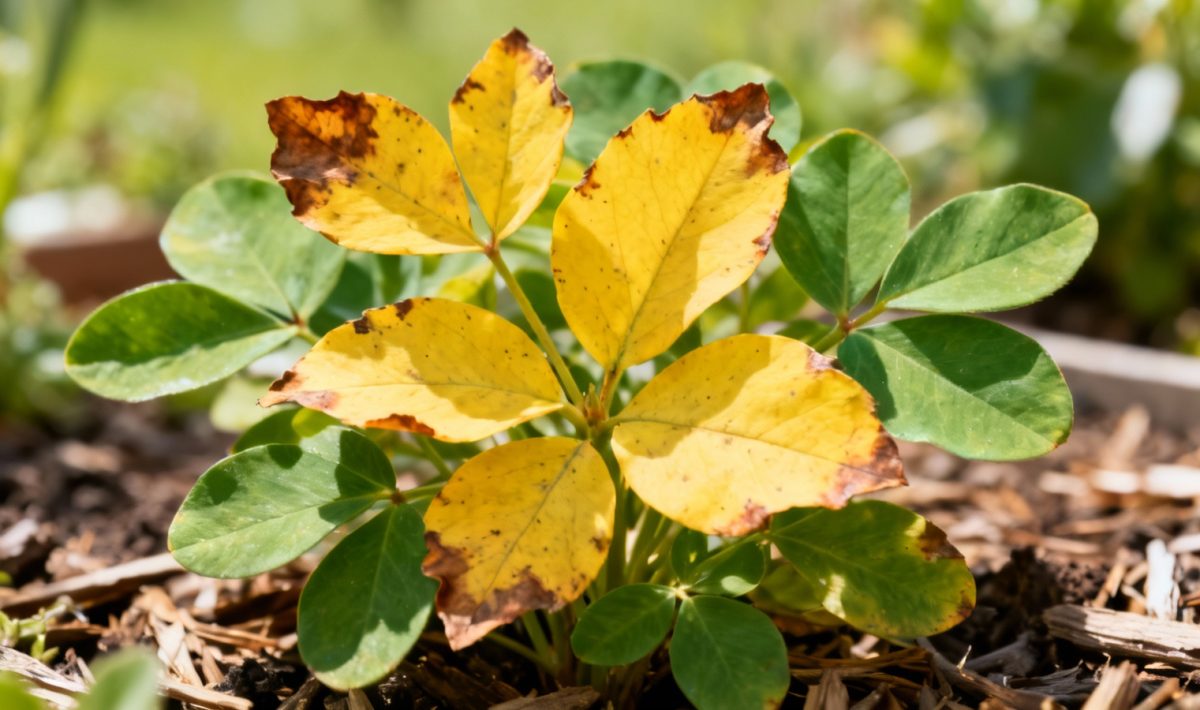
Why are my common three-seeded mercury leaves turning yellow – plant care solutions
Seeing your common three-seeded mercury leaves turning yellow can be quite concerning, but don’t worry – this is actually one of the most common issues gardeners face with this particular plant species. The yellowing of leaves typically signals that your plant is trying to communicate something important about its current growing conditions or health status.
Understanding what causes this yellowing is the first step toward restoring your plant’s vitality. From my experience in botany and plant care, most yellowing issues stem from environmental factors, watering problems, or nutrient deficiencies that can be easily addressed with the right approach.
When your three-seeded mercury plant shows yellow leaves, it’s essentially sending you a distress signal. The most frequent culprits include improper watering, inadequate light conditions, nutrient imbalances, and sometimes pest issues that affect the plant’s overall health system.
Environmental stress plays a significant role in leaf discoloration. Plants that are exposed to sudden temperature changes, drafts, or inconsistent humidity levels often respond by yellowing their foliage as a protective mechanism.
✅ Quick Checklist
Is the soil too wet or too dry?
Is the plant getting 6+ hours of sunlight daily?
Have you fertilized in the last 2 months?
Are there visible pests under the leaves?
Does the pot have adequate drainage?
🔥 FREE
📱
Diagnose your plant in one click!
AI instant diagnosis • Personalized solutions • 50,000+ species
Over-watering is perhaps the most common reason for yellowing leaves in three-seeded mercury plants. When the soil remains consistently wet, the roots can’t access the oxygen they need, leading to root rot and subsequent leaf yellowing. The plant’s natural response is to shed compromised leaves to conserve energy for healthy growth.
Conversely, under-watering can also cause yellowing, though the pattern is usually different. Water-stressed plants typically show yellowing from the bottom leaves upward, as they sacrifice older foliage to maintain newer growth that’s more efficient for photosynthesis.
To determine if water is the culprit, check the soil moisture by inserting your finger about two inches deep. The soil should feel slightly moist but not soggy. A well-draining potting mix is essential for maintaining the proper water flow and preventing stagnation around the roots.
Light and environmental factors
Three-seeded mercury plants require adequate light to maintain their green coloration through photosynthesis. When placed in low-light conditions, leaves may begin yellowing as the plant struggles to produce enough food for itself.
Temperature fluctuations can stress the plant significantly. These plants prefer stable temperatures between 65-75°F (18-24°C). Sudden changes, especially cold drafts from windows or air conditioning, can trigger yellowing as a stress response.
Humidity levels also play a crucial role in plant health. Low humidity can cause leaf edges to brown and eventually turn yellow, while excessive humidity might encourage fungal issues that manifest as yellowing spots or patches.
Organic solutions for healthy plant recovery
When addressing yellowing leaves, organic methods are not only safer for your garden ecosystem but often more effective long-term. Start by removing any completely yellow or brown leaves, as these won’t recover and may drain energy from the plant.
For water-related issues, adjust your watering schedule based on the season and your plant’s needs. During growing seasons, water when the top inch of soil feels dry. In winter, reduce watering frequency as plant metabolism slows down naturally.
Similar yellowing patterns can occur in other plants, as explained in our guide about reasons for yellowing mallow leaves, where environmental stress factors create comparable symptoms across different plant species.
Nutritional support through organic fertilization
Nutrient deficiencies often manifest as yellowing leaves, particularly nitrogen deficiency which causes older leaves to yellow first. Use organic fertilizers like compost tea or fish emulsion diluted to half strength every 4-6 weeks during the growing season.
Magnesium deficiency can cause yellowing between leaf veins while keeping the veins green. Organic solutions include applying Epsom salt (magnesium sulfate) mixed with water – one teaspoon per gallon of water, applied monthly.
Iron deficiency typically affects newer leaves first, causing them to yellow while veins remain green. Organic chelated iron supplements or composted organic matter can help address this issue naturally.
✅ Quick Checklist
Is the soil too wet or too dry?
Is the plant getting 6+ hours of sunlight daily?
Have you fertilized in the last 2 months?
Are there visible pests under the leaves?
Does the pot have adequate drainage?
🔥 FREE
📱
Diagnose your plant in one click!
AI instant diagnosis • Personalized solutions • 50,000+ species
Sometimes yellowing leaves indicate pest problems that stress the plant. Common culprits include spider mites, aphids, and scale insects that feed on plant juices, weakening the overall health system.
Organic pest control starts with regular inspection of your plants. Look under leaves and along stems for tiny insects or their damage. Neem oil spray applied in the evening can effectively control most soft-bodied pests without harming beneficial insects.
For severe infestations, insecticidal soap made from natural ingredients can be applied weekly until the pest population is under control. Always test any treatment on a small area first to ensure your plant tolerates it well.
Prevention strategies for long-term plant health
Preventing yellowing leaves is always easier than treating the problem after it occurs. Establishing a consistent care routine that includes proper watering, adequate nutrition, and regular monitoring will keep your three-seeded mercury plant thriving.
Create an environment that mimics the plant’s natural habitat as closely as possible. This includes providing bright, indirect light, maintaining consistent temperature and humidity levels, and ensuring good air circulation around the plant.
Regular inspection is key to early detection of problems. Weekly checks for changes in leaf color, texture, or overall plant appearance allow you to address issues before they become severe. The same preventive approach works for other plants experiencing similar issues, as detailed in solutions for yellowing hawthorn leaves.
Soil health and growing medium considerations
The growing medium plays a crucial role in preventing yellowing issues. Use a well-draining organic potting mix that retains some moisture but doesn’t become waterlogged. Adding perlite or vermiculite can improve drainage if your soil tends to stay wet too long.
Regularly refresh the top layer of soil with compost or organic matter to provide slow-release nutrients and improve soil structure. This organic approach feeds beneficial microorganisms that support plant health and nutrient uptake.
Consider repotting every 2-3 years to refresh the growing medium and prevent the buildup of salts from fertilizers that can interfere with nutrient absorption and cause leaf yellowing.
Through understanding these causes and implementing organic solutions, you can restore your three-seeded mercury plant to health and prevent future yellowing issues. Remember that plants are resilient, and with proper care, they can recover from most stress-related problems. The key is patience, consistent care, and using natural methods that support the plant’s inherent ability to heal and thrive in your garden environment.
Allan is a lifelong gardening enthusiast who still gets excited when the first seedlings pop up in spring. With a deep love for nature and a hands-in-the-soil approach, he shares practical tips, plant discoveries, and clever tricks picked up over years of digging, planting, and observing. Whether you’re a new gardener or have a shed full of tools, Allan writes like a neighbor who’s always happy to swap cuttings and stories over the fence.
You can find more about Allan’s work on Malt or connect with him on LinkedIn.