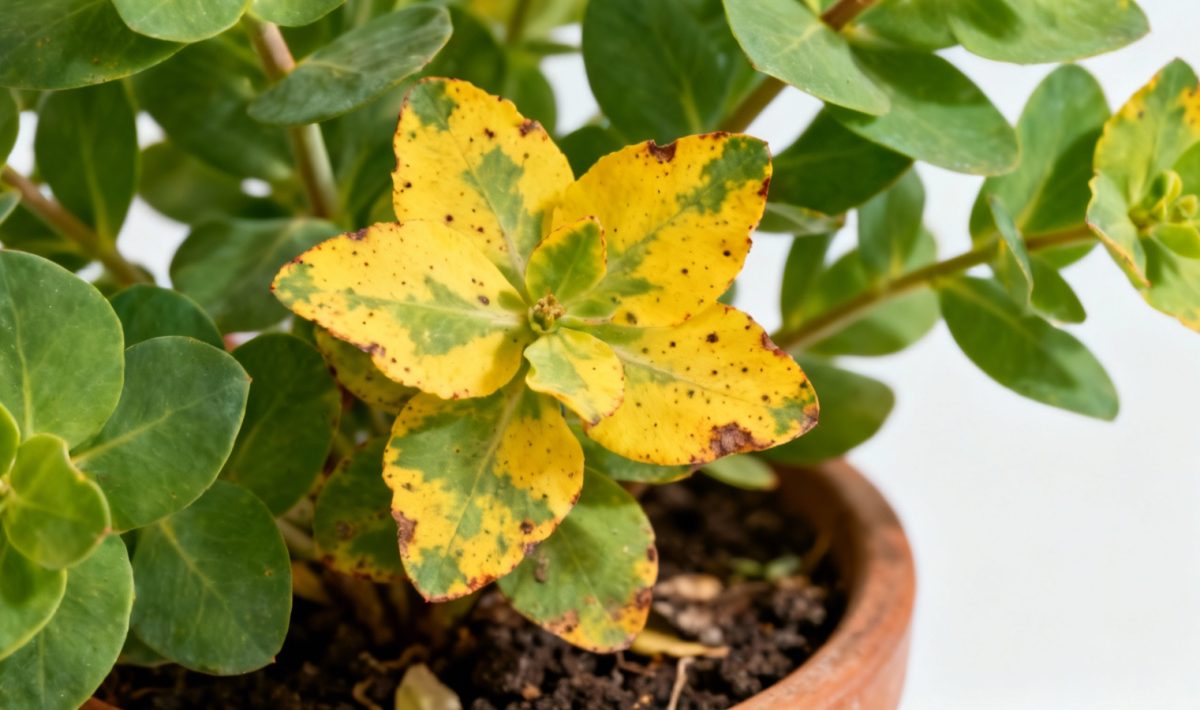
Why are my petty spurge leaves turning yellow: natural solutions and prevention tips
When you first notice your petty spurge leaves starting to turn yellow, it can feel concerning. This common issue affects many gardeners during different seasons, and understanding the underlying causes is the first step toward bringing your plant back to its vibrant green state. Most yellowing problems stem from environmental factors that you can easily address with the right approach.
Yellowing leaves rarely appear overnight, and recognizing the early warning signs can help you take action more quickly. The process typically begins with subtle color changes that gradually become more pronounced. You’ll first notice a slight lightening of the green color, which then progresses to pale yellow and eventually to a more pronounced golden hue.
These visual changes often come with additional symptoms like wilting or drooping leaves. The yellowing usually starts from the bottom of the plant and works its way up, though this pattern can vary depending on the underlying cause. Since petty spurge is a resilient plant, these changes signal that something in its environment needs immediate attention.
✅ Quick Checklist
Is the soil too wet or too dry?
Is the plant getting 6+ hours of sunlight daily?
Have you fertilized in the last 2 months?
Are there visible pests under the leaves?
Does the pot have adequate drainage?
🔥 FREE
📱
Diagnose your plant in one click!
AI instant diagnosis • Personalized solutions • 50,000+ species
Watering issues rank among the most common causes of yellowing leaves in petty spurge plants. Too much water creates waterlogged conditions that prevent roots from accessing oxygen, leading to root rot and subsequent yellowing. Conversely, insufficient water stress can also trigger yellowing as the plant conserves resources.
You can determine if overwatering is the issue by checking the soil moisture about two inches below the surface. If the soil remains soggy for several days after watering, your plant is likely getting too much water. The equipment you use for watering matters significantly – a watering can with a narrow spout allows for more precise water delivery than a garden hose.
For optimal results, water your petty spurge when the top inch of soil feels dry to the touch. This natural approach ensures the roots receive adequate moisture without becoming waterlogged. During the growing season, you may need to water more frequently, while winter months typically require less frequent watering.
Nutrient deficiencies and soil quality factors
Poor soil conditions and nutrient deficiencies can trigger yellowing leaves just as effectively as watering problems. Nitrogen deficiency commonly causes older leaves to yellow first, while iron deficiency typically affects newer growth. The sort of soil your petty spurge grows in plays a crucial role in nutrient availability.
Testing your soil’s pH level can reveal whether nutrients are accessible to your plant’s roots. Petty spurge thrives in slightly alkaline to neutral soil, and overly acidic conditions can lock up essential nutrients. Similarly to how causes of yellowing honeysuckle leaves can indicate nutrient issues, petty spurge yellowing often points to soil imbalances.
Adding organic compost or a balanced fertilizer can address most nutrient deficiencies effectively. However, you should learn about your specific soil conditions before adding amendments. A soil test kit provides valuable information about pH levels and nutrient content, helping you make informed decisions about soil improvements.
Environmental stress factors affecting leaf color
Temperature fluctuations and lighting conditions significantly impact petty spurge health, often manifesting as yellowing leaves. Extreme heat or cold stress can shock the plant’s system, causing rapid color changes. Since petty spurge prefers consistent temperatures, sudden weather changes during seasonal transitions pose particular challenges.
Inadequate sunlight can also contribute to yellowing, as plants struggle to maintain healthy photosynthesis. Most petty spurge varieties require at least six hours of direct sunlight daily for optimal health. When plants don’t receive sufficient light, they often develop pale, yellowed foliage as chlorophyll production decreases.
Protecting your plants from extreme weather conditions through strategic placement or temporary covers can prevent stress-induced yellowing. Just as issues with yellow snake plant leaves often stem from environmental factors, petty spurge responds well to stable growing conditions.
Effective solutions and treatment approaches
Addressing yellowing leaves requires a systematic approach that targets the root cause rather than just the symptoms. First, evaluate your watering routine and adjust frequency based on soil moisture levels and seasonal changes. This fundamental step often resolves the majority of yellowing issues.
If nutrient deficiency appears to be the problem, incorporate a balanced, slow-release fertilizer into your plant care routine. Organic options like compost or well-rotted manure provide gentle, long-lasting nutrition without the risk of chemical burn. Apply fertilizers during the active growing season for best results.
For plants experiencing environmental stress, focus on creating more stable conditions. This might involve relocating potted plants to areas with better light exposure or more consistent temperatures. Our experience shows that gradual changes work better than dramatic environmental shifts.
✅ Quick Checklist
Is the soil too wet or too dry?
Is the plant getting 6+ hours of sunlight daily?
Have you fertilized in the last 2 months?
Are there visible pests under the leaves?
Does the pot have adequate drainage?
🔥 FREE
📱
Diagnose your plant in one click!
AI instant diagnosis • Personalized solutions • 50,000+ species
Preventing yellowing leaves requires consistent attention to your petty spurge’s basic needs throughout the growing season. Establishing a regular inspection routine helps you catch problems early, before they become serious enough to cause widespread yellowing. Check your plants weekly for signs of stress, paying particular attention to soil moisture and leaf color changes.
Proper soil preparation forms the foundation of preventive care. Ensuring good drainage prevents waterlogging, while adding organic matter improves soil structure and nutrient retention. You can achieve this by mixing compost into the planting area or using quality potting mix for container plants.
Timing your fertilizer applications correctly also plays a crucial role in prevention. Feed petty spurge during its active growing periods, typically spring through early fall. Avoid fertilizing during winter months when plant growth naturally slows down, as this can actually stress the plant and contribute to yellowing.
Expected recovery timeline and results
Once you’ve addressed the underlying cause of yellowing leaves, patience becomes essential as your petty spurge recovers. Most plants show initial improvement within one to two weeks, though full recovery can take several weeks to a month. New growth typically appears green and healthy first, while existing yellow leaves may remain unchanged.
During the recovery period, continue monitoring soil moisture and environmental conditions carefully. Avoid making additional changes to care routines, as this can stress the plant further. The sign of successful treatment is the emergence of new, vibrant green growth rather than the reversal of already-yellowed leaves.
Complete recovery involves not only the cessation of yellowing but also robust new growth and improved overall plant vigor. You can expect your petty spurge to return to full health within 4-6 weeks when proper care measures are consistently applied. This timeline can vary based on the severity of the initial problem and the plant’s overall health status.
Allan is a lifelong gardening enthusiast who still gets excited when the first seedlings pop up in spring. With a deep love for nature and a hands-in-the-soil approach, he shares practical tips, plant discoveries, and clever tricks picked up over years of digging, planting, and observing. Whether you’re a new gardener or have a shed full of tools, Allan writes like a neighbor who’s always happy to swap cuttings and stories over the fence.
You can find more about Allan’s work on Malt or connect with him on LinkedIn.