
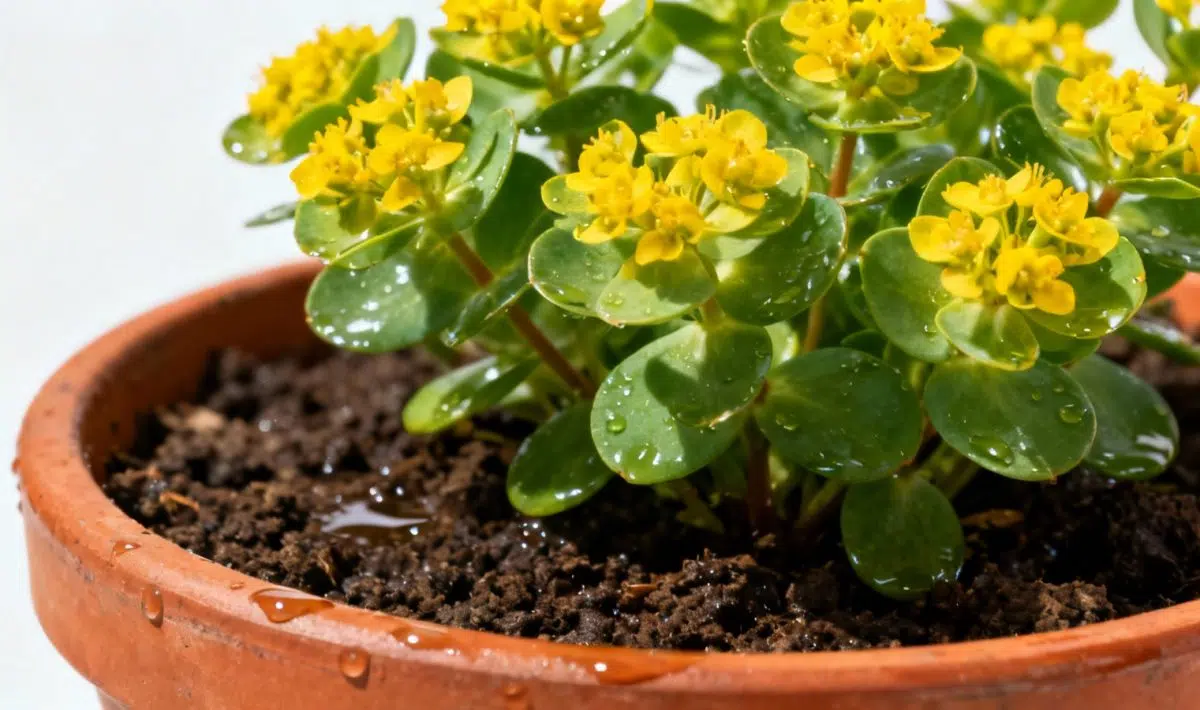
Understanding petty spurge and its watering needs
Petty spurge, scientifically known as Euphorbia peplus, is a hardy annual herb that grows naturally across Europe, North Africa, and western Asia. This common plant reaches heights of 5 to 30 centimeters and often appears as a garden weed in cultivated areas. However, when you understand how often should you water your petty spurge, you can actually cultivate this resilient plant for its traditional medicinal properties.
The plant’s natural habitat tells us a lot about its water requirements. Petty spurge thrives in disturbed soils and can tolerate dry conditions remarkably well. This adaptability makes it an excellent choice for gardeners who prefer low-maintenance plants with historical significance in herbal medicine.
Wild petty spurge typically depends on seasonal rainfall rather than consistent watering. In its native environment, the plant completes its lifecycle based on natural precipitation patterns, which gives us valuable insight into how we should approach watering our cultivated specimens.
Optimal watering frequency for petty spurge
The key to successful petty spurge cultivation lies in understanding that less is often more when it comes to watering. During the growing season from spring through summer, water your petty spurge every two weeks for best results. This schedule mimics the plant’s natural preference for periodic moisture rather than constant dampness.
Morning watering proves most effective for this plant, as it allows excess moisture to evaporate before evening. This practice helps prevent fungal diseases that can develop when leaves remain wet for extended periods. The timing also ensures that the plant has access to water during the day when photosynthesis is most active.
Unlike more demanding garden plants, petty spurge doesn’t require deep, frequent watering. A light to moderate watering every fortnight provides sufficient moisture for healthy growth while preventing the root rot that can occur with overwatering.
Seasonal adjustments for watering
Spring marks the beginning of active growth for petty spurge, and this is when you should establish your regular watering routine. As temperatures warm and daylight hours increase, the plant’s water needs become more predictable. Start with weekly watering in early spring, then transition to the biweekly schedule as the plant establishes itself.
Summer requires careful attention to environmental conditions. During hot, dry periods, you might need to increase watering frequency slightly, but always check soil moisture first. The plant’s drought tolerance means it can handle some stress better than most garden herbs.
Fall watering should gradually decrease as the plant completes its annual cycle. Many gardeners find that natural rainfall during autumn months provides adequate moisture, making supplemental watering unnecessary. This natural reduction in water availability actually helps the plant complete its seed production cycle.
Signs of proper hydration and common watering mistakes
Recognizing the signs of proper hydration helps you fine-tune your watering schedule. Healthy petty spurge displays bright green foliage with sturdy stems that stand upright. The leaves should feel firm to the touch, and the plant should show steady growth throughout the season.
Overwatering presents more problems than underwatering for this resilient plant. Yellowing leaves, soft stems, and a general wilted appearance despite moist soil indicate too much water. Root rot can develop quickly in waterlogged conditions, potentially killing the entire plant.
Conversely, severely underwatered plants show drooping leaves, stunted growth, and premature flowering. However, petty spurge’s natural drought tolerance means it can recover from dry conditions more easily than from excessive moisture.
Soil considerations and drainage requirements
Well-draining soil is essential for successful petty spurge cultivation. The plant naturally grows in disturbed, often sandy or loamy soils that allow water to move through quickly. Clay soils or areas with poor drainage require amendments to prevent water accumulation around the roots.
Adding organic matter like compost improves both drainage and water retention, creating the ideal balance for petty spurge. The goal is soil that holds some moisture but never becomes waterlogged. This balance supports healthy root development while preventing the fungal issues associated with overly wet conditions.
Container growing requires extra attention to drainage. Use pots with drainage holes and a well-draining potting mix to prevent water accumulation. Container-grown plants may need slightly more frequent watering than those in the ground, but the same principles apply.
Traditional uses and cultivation benefits
Understanding petty spurge’s traditional medicinal applications adds depth to your cultivation efforts. Historically, various cultures have used this common plant for treating skin conditions and minor ailments. However, it’s important to note that all parts of the plant contain a milky sap that can be irritating to skin and should be handled with care.
The plant’s ability to thrive with minimal water makes it an excellent choice for sustainable gardening practices. Just as you might research guidelines for watering your loquat for fruit production, understanding petty spurge’s needs helps you grow this useful herb efficiently.
Many gardeners appreciate petty spurge for its role in attracting beneficial insects while requiring minimal maintenance. Its small flowers provide nectar for various pollinators, making it a valuable addition to wildlife-friendly gardens.
Comparing watering needs with other herbs
Different herbs have varying water requirements, and understanding these differences helps you plan your garden watering schedule effectively. While you might follow specific watering rosemary for optimal growth techniques for Mediterranean herbs, petty spurge requires a different approach altogether.
Some gardeners also grow other drought-tolerant plants that share similar watering schedules. For instance, learning about ideal watering frequency for arborvitae can help you understand how different plants adapt to various moisture levels.
Leafy herbs often need more consistent moisture than petty spurge. For example, watering tips for healthy coriander typically involve more frequent watering than what petty spurge requires, highlighting the importance of understanding each plant’s specific needs.
Monitoring and adjusting your watering routine
Successful petty spurge cultivation requires ongoing observation and adjustment of your watering practices. Climate conditions, soil type, and seasonal variations all influence how often your plants need water. Keep a simple garden journal to track watering dates and plant responses.
Environmental factors like humidity, temperature, and wind exposure affect water needs. During particularly hot or windy periods, check soil moisture more frequently, but resist the urge to water unless the top inch of soil feels dry to the touch.
Remember that petty spurge’s natural resilience means it can tolerate some variation in watering schedules. This flexibility makes it an ideal plant for beginning gardeners or those who travel frequently and cannot maintain rigid watering routines.
By understanding and respecting petty spurge’s natural water preferences, you can successfully cultivate this historically significant plant while contributing to biodiversity in your garden space. The key lies in providing adequate but not excessive moisture, allowing this hardy herb to thrive as it has for centuries in the wild.

Allan is a lifelong gardening enthusiast who still gets excited when the first seedlings pop up in spring. With a deep love for nature and a hands-in-the-soil approach, he shares practical tips, plant discoveries, and clever tricks picked up over years of digging, planting, and observing. Whether you’re a new gardener or have a shed full of tools, Allan writes like a neighbor who’s always happy to swap cuttings and stories over the fence.
You can find more about Allan’s work on Malt or connect with him on LinkedIn.


