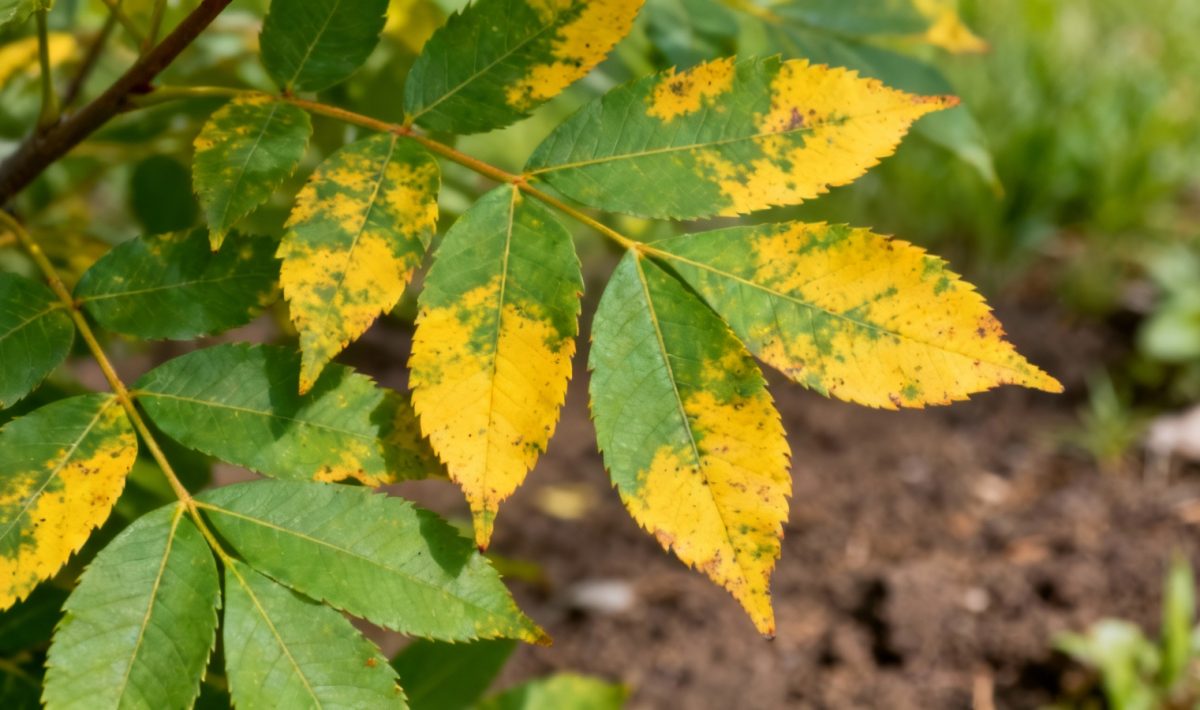
Why are my green ash leaves turning yellow: causes and solutions
Noticing your green ash tree’s leaves turning yellow can be quite alarming for any homeowner. This common issue affects many ash trees throughout the year, and understanding the underlying causes is essential for maintaining healthy foliage. When leaves start showing yellow discoloration, it’s nature’s way of signaling that something needs attention in your tree care routine.
Several factors can contribute to this yellowing phenomenon in green ash trees. Environmental stress often plays a significant role, but identifying the specific cause will help you determine the most effective treatment approach. Sometimes the issue stems from multiple factors working together, which makes diagnosis a bit more complex than you might initially expect.
Environmental stress factors
Water stress remains one of the primary culprits behind yellowing ash leaves. When trees experience prolonged dry periods, they struggle to maintain adequate moisture levels throughout their canopy. Conversely, overwatering can be just as problematic, causing root rot that prevents proper nutrient uptake.
Soil conditions also play a crucial role in leaf health. Poor drainage, compacted soil, or nutrient deficiencies can all contribute to yellowing foliage. Young ash trees are particularly susceptible to these environmental challenges, as their root systems haven’t yet fully established in their growing location.
✅ Quick Checklist
Is the soil too wet or too dry?
Is the plant getting 6+ hours of sunlight daily?
Have you fertilized in the last 2 months?
Are there visible pests under the leaves?
Does the pot have adequate drainage?
🔥 FREE
📱
Diagnose your plant in one click!
AI instant diagnosis • Personalized solutions • 50,000+ species
Various diseases can cause ash leaves to turn yellow, with some being more serious than others. Fungal infections often develop during periods of high humidity, creating conditions where pathogens can thrive on your tree’s foliage. These diseases typically start small but can spread quickly if not addressed promptly.
Insect pests also pose significant threats to ash tree health. Aphids, scale insects, and other sap-sucking pests can weaken trees by draining essential nutrients from the leaves. When these pests are present in large numbers, they can cause widespread yellowing that affects the entire canopy.
For more comprehensive information about this issue, you might find it helpful to learn about causes of yellowing ash leaves which covers additional varieties and specific solutions.
Seasonal influences on leaf color
Understanding how different seasons affect your ash tree can help you distinguish between natural processes and actual health problems. During spring, new leaves should emerge with vibrant green coloration, but environmental stresses can sometimes interfere with this process.
Natural autumn changes
As autumn approaches, it’s perfectly normal for ash leaves to begin changing color, including turning yellow before eventually dropping. This natural process shouldn’t cause concern, as trees are simply preparing for winter dormancy. However, if yellowing occurs during spring or summer months, that’s when you should investigate potential problems.
The timing of color changes can vary significantly from year to year, depending on weather patterns and overall growing conditions. Some years may see earlier color changes, while others might delay the process well into late autumn.
Climate impact on foliage
Extreme weather conditions can stress ash trees and lead to premature yellowing. Drought conditions, excessive rainfall, or sudden temperature fluctuations all place additional strain on trees. When trees experience this type of stress, they may shed leaves early as a survival mechanism.
Urban environments can create additional challenges for ash trees, as they face pollution, limited root space, and reflected heat from pavement. These factors can contribute to leaf yellowing even when other growing conditions seem adequate.
Effective solutions for healthy foliage
Addressing yellowing ash leaves requires a systematic approach that targets the underlying causes. Start by examining your tree’s growing conditions and making necessary adjustments to support optimal health. Sometimes simple changes in care practices can make a dramatic difference in foliage quality.
Proper watering techniques
Establishing a consistent watering schedule helps prevent both drought stress and overwatering issues. Deep, infrequent watering encourages strong root development, which is essential for nutrient uptake and overall tree health. Water should penetrate several inches into the soil around the tree’s root zone.
During dry periods, increase watering frequency but always check soil moisture levels before adding more water. The soil should feel moist but not waterlogged at a depth of 2-3 inches below the surface.
✅ Quick Checklist
Is the soil too wet or too dry?
Is the plant getting 6+ hours of sunlight daily?
Have you fertilized in the last 2 months?
Are there visible pests under the leaves?
Does the pot have adequate drainage?
🔥 FREE
📱
Diagnose your plant in one click!
AI instant diagnosis • Personalized solutions • 50,000+ species
Testing your soil’s pH and nutrient levels provides valuable insight into what your ash tree needs for optimal growth. Most ash trees prefer slightly alkaline soil conditions, and they benefit from regular fertilization during the growing season. A balanced fertilizer applied in early spring can help prevent nutrient-related yellowing.
Mulching around the base of your tree helps retain moisture and suppress weeds that compete for nutrients. Apply a 2-3 inch layer of organic mulch, but keep it away from direct contact with the tree trunk to prevent pest and disease issues.
Disease and pest control
Regular monitoring for signs of disease or pest activity allows you to address problems before they become severe. Remove any affected leaves and dispose of them properly to prevent disease spread. For serious infestations, you may need to consult with a certified arborist who can recommend appropriate treatments.
Preventive care remains the best approach for maintaining healthy ash trees. By providing proper growing conditions, monitoring for problems, and addressing issues promptly, you can help ensure your green ash maintains its beautiful foliage throughout the growing season. Remember that some yellowing may be natural, but persistent or widespread discoloration warrants immediate attention.
Allan is a lifelong gardening enthusiast who still gets excited when the first seedlings pop up in spring. With a deep love for nature and a hands-in-the-soil approach, he shares practical tips, plant discoveries, and clever tricks picked up over years of digging, planting, and observing. Whether you’re a new gardener or have a shed full of tools, Allan writes like a neighbor who’s always happy to swap cuttings and stories over the fence.
You can find more about Allan’s work on Malt or connect with him on LinkedIn.