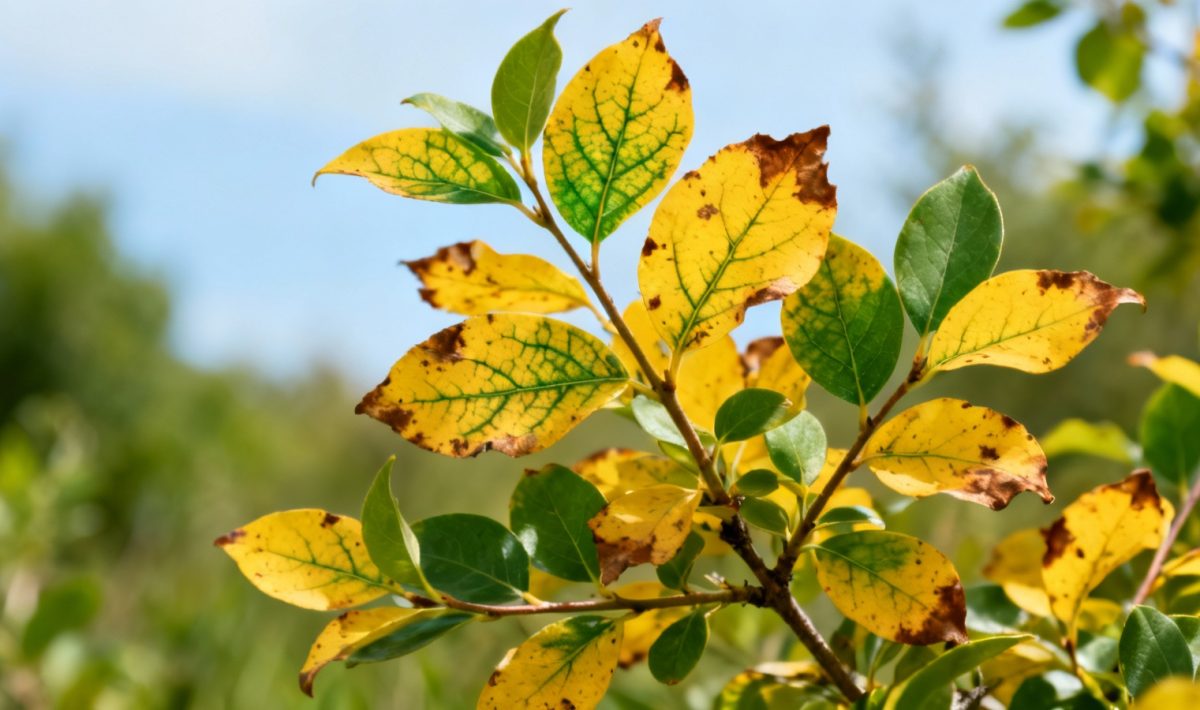
Why are my wild privet leaves turning yellow – common causes and solutions
Nothing’s more frustrating than watching your beautiful wild privet develop yellow leaves seemingly out of nowhere. This common issue affects many gardeners, but the good news is that most causes are entirely fixable once you understand what’s happening with your plant.
Wild privet, a hardy species known for its resilience, can still struggle with environmental changes and care issues. When leaves start turning yellow, your tree is essentially waving a flag for help, and understanding these signals is the first step toward restoration.
Before diving into solutions, it’s crucial to observe how the yellowing appears on your plant. Different patterns often indicate specific problems that require targeted approaches.
Yellow leaves typically start from the bottom of the plant and work their way up when dealing with natural aging or watering issues. However, if yellowing appears randomly across the tree or starts from the top, you’re likely looking at a different root cause entirely.
The timing of yellowing also matters significantly. Seasonal changes in autumn are completely normal for this species, but yellowing during active growing seasons signals underlying stress factors that need immediate attention.
✅ Quick Checklist
Is the soil too wet or too dry?
Is the plant getting 6+ hours of sunlight daily?
Have you fertilized in the last 2 months?
Are there visible pests under the leaves?
Does the pot have adequate drainage?
🔥 FREE
📱
Diagnose your plant in one click!
AI instant diagnosis • Personalized solutions • 50,000+ species
Water problems rank as the number one culprit behind yellowing leaves in wild privet plants. Both overwatering and underwatering create stress that manifests through leaf color changes.
Overwatered plants develop yellow leaves that feel soft and may drop easily when touched. The soil remains constantly wet, creating perfect conditions for root rot to develop. This European species prefers well-draining soil that allows excess water to escape freely.
Conversely, underwatered privets show yellowing that typically starts with older, lower leaves becoming crispy around the edges. The ground feels bone dry several inches down, and the plant may appear wilted during hot afternoon hours.
Proper watering techniques for healthy privet
Establishing a proper watering routine prevents most leaf yellowing issues. Check soil moisture by inserting your finger about two inches into the ground near the root zone.
Water deeply but infrequently, allowing the soil to dry slightly between watering sessions. This encourages strong root development and prevents the waterlogged conditions that lead to leaf problems.
For container-grown plants, ensure drainage holes function properly and remove standing water from saucers within an hour of watering. Poor drainage transforms even appropriate watering into an overwatering situation.
Soil conditions affecting leaf health
Soil quality plays a massive role in determining whether your wild privet maintains healthy green foliage throughout the growing season. Poor soil conditions stress the plant’s root system, leading directly to yellowing leaves.
Compacted soil prevents proper root expansion and water infiltration, creating stress similar to drought conditions even when water is present. European privets thrive in loose, well-aerated soil that allows roots to spread freely.
Soil pH imbalances also contribute to yellowing by preventing nutrient uptake. Wild privet prefers slightly alkaline to neutral soil, and significant deviations from this range block essential mineral absorption regardless of soil fertility levels.
Improving soil for better plant health
Amending heavy clay soil with organic matter like compost or aged leaf mold dramatically improves drainage and root health. Work these amendments into the existing ground rather than creating distinct layers that impede water movement.
Test soil pH annually using an inexpensive home testing kit. If results show excessive acidity, incorporate ground limestone to raise pH gradually. Avoid dramatic pH changes that shock the root system.
Regular mulching around the base helps maintain consistent soil moisture and temperature while slowly adding organic matter as it decomposes. Keep mulch several inches away from the trunk to prevent pest issues.
Nutrient deficiencies and fertilization needs
Yellowing leaves often indicate specific nutrient deficiencies that weaken the plant over time. Wild privet, while generally low-maintenance, still requires adequate nutrition for optimal leaf color and overall health.
Nitrogen deficiency causes uniform yellowing that typically starts with older, lower leaves before progressing upward. This essential nutrient supports vigorous green growth and leaf development throughout the growing season.
Iron deficiency creates a distinctive yellowing pattern where leaf veins remain green while the tissue between turns yellow. This condition, called chlorosis, commonly affects plants growing in alkaline soil conditions.
Balanced fertilization approach
Apply a balanced, slow-release fertilizer in early spring as new growth begins. Choose products with equal ratios of nitrogen, phosphorus, and potassium for steady nutrient availability throughout the active growing period.
Supplement with iron chelate if chlorosis appears, following package directions carefully to avoid over-application. Iron supplements work most effectively when soil moisture levels remain consistent.
Organic options like compost or well-aged manure provide gentle, long-term nutrition while improving soil structure. These materials release nutrients gradually, reducing the risk of fertilizer burn or excessive growth flushes.
Common pests and diseases affecting privet
Several pests and diseases specifically target wild privet, causing leaf yellowing as their primary symptom. Early identification and treatment prevent minor issues from becoming major problems.
Scale insects attach to branches and leaves, sucking plant juices and causing gradual yellowing and leaf drop. These small, oval pests appear as brown or white bumps on stems and can be difficult to spot initially. Similar issues affect other plants, and you can learn more about causes of yellowing honeysuckle leaves which share some common pest problems.
Aphids cluster on new growth tips and leaf undersides, causing distorted yellow patches where they feed. Heavy infestations weaken plants significantly and attract secondary problems like sooty mold.
Fungal diseases like leaf spot create circular yellow areas that gradually expand and may develop dark centers. These conditions thrive in humid weather and crowded plantings with poor air circulation.
✅ Quick Checklist
Is the soil too wet or too dry?
Is the plant getting 6+ hours of sunlight daily?
Have you fertilized in the last 2 months?
Are there visible pests under the leaves?
Does the pot have adequate drainage?
🔥 FREE
📱
Diagnose your plant in one click!
AI instant diagnosis • Personalized solutions • 50,000+ species
Horticultural oil applications suffocate scale insects and aphids without harming beneficial insects when applied correctly. Spray early morning or late evening to avoid leaf burn during hot weather.
Encouraging beneficial insects like ladybugs and lacewings creates natural pest control that maintains balance in your garden ecosystem. Plant flowers nearby that attract these helpful species throughout the growing season.
Remove heavily infested leaves and branches promptly to prevent pest spread to healthy plant areas. Dispose of this material in household trash rather than composting to avoid reinfection.
Environmental stress factors
Environmental conditions beyond your direct control can trigger leaf yellowing in wild privet. Understanding these factors helps you provide appropriate support during stressful periods.
Extreme temperature fluctuations shock plants and cause rapid leaf color changes. Late spring frosts or unexpected heat waves create immediate stress that manifests through yellowing and leaf drop within days.
Light conditions also affect leaf health significantly. While privet tolerates various light levels, dramatic changes from shade to full sun or vice versa cause adjustment stress that appears as yellowing foliage.
Similar environmental stress patterns affect many plants, which is why understanding reasons for yellowing snake plant leaves can provide additional insights into plant stress responses.
Protecting plants from environmental stress
Gradual acclimatization prevents shock when moving plants to new locations or when seasonal conditions change dramatically. Allow plants time to adjust rather than making abrupt environmental changes.
Provide temporary shade during extreme heat waves using shade cloth or temporary structures. This protection reduces water loss and prevents heat-related leaf damage during critical periods.
Mulching helps buffer soil temperature fluctuations and maintains more consistent root zone conditions throughout seasonal changes. This simple step significantly reduces environmental stress on your plants.
Recovery and prevention strategies
Once you’ve identified and addressed the underlying cause of leaf yellowing, focus shifts to supporting plant recovery and preventing future issues. Patience is key, as recovery takes time to become visible.
Remove severely yellowed leaves to redirect plant energy toward new growth rather than maintaining damaged foliage. Use clean, sharp pruning tools to prevent disease transmission during this process.
Consistent care practices prevent most future yellowing issues. Regular monitoring allows early detection of problems when they’re easier to resolve than after symptoms become severe.
Maintain detailed records of watering, fertilizing, and any treatments applied to identify patterns that contribute to plant health or problems. This information proves invaluable for long-term plant care success.
Allan is a lifelong gardening enthusiast who still gets excited when the first seedlings pop up in spring. With a deep love for nature and a hands-in-the-soil approach, he shares practical tips, plant discoveries, and clever tricks picked up over years of digging, planting, and observing. Whether you’re a new gardener or have a shed full of tools, Allan writes like a neighbor who’s always happy to swap cuttings and stories over the fence.
You can find more about Allan’s work on Malt or connect with him on LinkedIn.