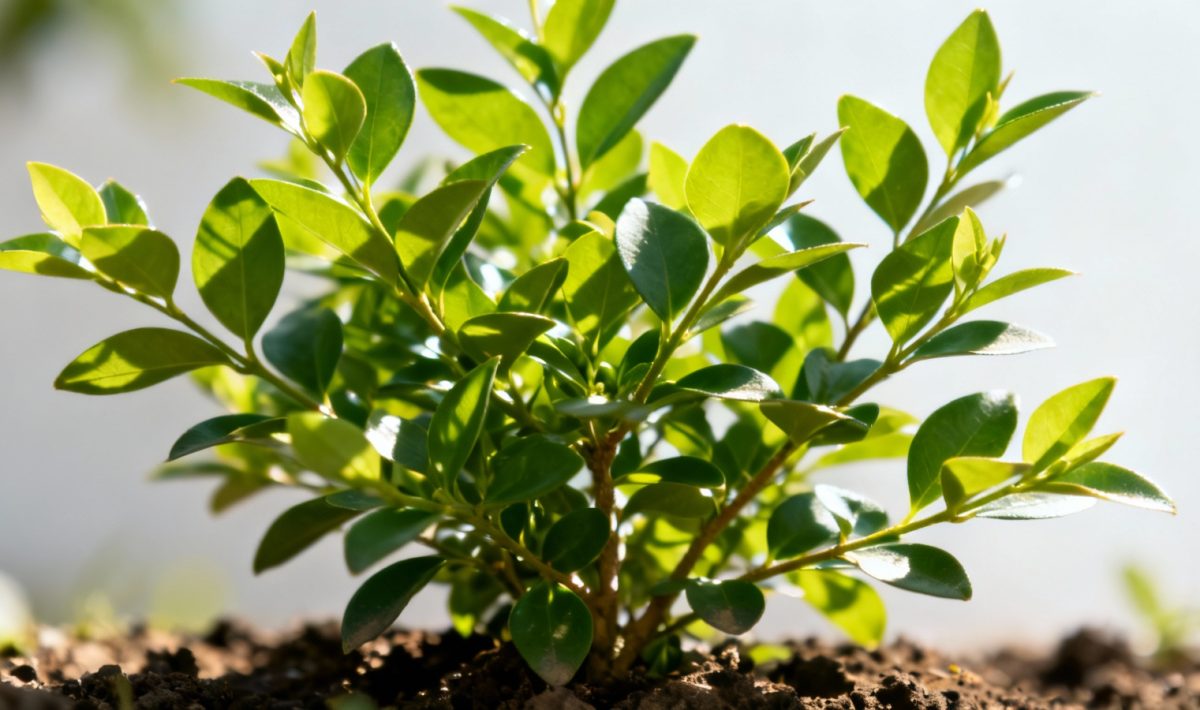
Understanding Chinese privet sunlight requirements
Chinese privet (Ligustrum sinense) is a remarkably adaptable plant when it comes to light conditions. This hardy shrub thrives in full sun but shows impressive tolerance for partial shade and even deeper shade conditions. Understanding how much sunlight your Chinese privet needs will help you place it perfectly in your garden and ensure healthy growth throughout the seasons.
The beauty of Chinese privet lies in its flexibility with light conditions. While many plants demand specific lighting requirements, this ancient species has evolved to handle various environments with grace. Your success with Chinese privet largely depends on matching its natural preferences with your available garden space.
Optimal sunlight conditions for healthy growth
Chinese privet performs best with at least six hours of direct sunlight daily. Full sun exposure encourages vigorous growth, abundant flowering, and maximum fruit production. In ideal conditions, a well-placed Chinese privet can produce up to 1,300 fruits per square meter of canopy, making it incredibly productive for wildlife and propagation purposes.
However, you don’t need to worry if your garden doesn’t offer perfect full sun conditions. Chinese privet tolerates partial shade remarkably well, requiring a minimum of three to six hours of direct sunlight for healthy development. This adaptability makes it suitable for various garden locations where other plants might struggle.
The plant’s tolerance extends beyond simple light requirements. Chinese privet can survive in challenging conditions including temporary flooding and short-term shade stress. This resilience comes from its deep root system and efficient light-processing capabilities that allow it to make the most of available sunlight.
Light preferences and adaptation strategies
Interestingly, research shows that Chinese privet plants growing in shaded woodland conditions often develop greater height and larger leaf surface area compared to those in open clearings. This adaptive response helps the plant capture more available light in low-light environments. The cream-colored flowers appear more prominently when the plant receives adequate morning light, creating a beautiful vanilla-scented display.
Your Chinese privet will naturally adjust its growth pattern based on available light. In shadier conditions, it tends to grow taller and develop broader leaves to maximize photosynthesis. Under full sun, the plant typically grows more densely with smaller, more numerous leaves and enhanced flowering.
Just as sunlight requirements for wild privet vary within the family, Chinese privet shows remarkable adaptability. The plant’s ability to thrive in various light conditions makes it suitable for gardens with changing light patterns throughout the day.
Recognizing signs of inadequate light
When Chinese privet doesn’t receive enough sunlight, you’ll notice several telltale signs. The foliage may appear less vibrant, with a pale green color instead of the rich, deep green of well-lit plants. Stems often become elongated and weak as the plant stretches toward available light sources.
Flowering suffers significantly in low-light conditions. You might see fewer of the characteristic white flower clusters that give Chinese privet its ornamental value. The honey-sweet fragrance that attracts pollinators becomes less pronounced when blooms are sparse.
Fruit production drops dramatically in shaded conditions. While the plant may still produce some berries, the quantity will be much lower than what you’d see in full sun. This reduction affects not only the plant’s reproductive success but also its value for wildlife that depend on these food sources.
Maximizing light exposure in your garden
To optimize sunlight for your Chinese privet, consider the daily sun patterns in your garden. Morning light is particularly beneficial, as it helps dry dew from leaves and reduces fungal problems. East-facing locations often provide excellent growing conditions with good morning sun and some afternoon protection.
You can enhance light availability by removing competing vegetation or pruning nearby trees to create better light penetration. Light-colored surfaces like white fences or walls can reflect additional light onto your plants, creating a more luminous growing environment.
Similar to how cucumber sunlight needs for growth require strategic placement, positioning your Chinese privet where it receives maximum benefit from available light will reward you with better performance. Avoid placing it directly under large trees or on the north side of buildings where deep shade prevails most of the day.
Seasonal light considerations
Chinese privet’s light needs change with the seasons. During spring and early summer, when the plant is actively growing and flowering, it benefits most from abundant sunlight. This is when you’ll see the most dramatic growth and the heaviest bloom production.
In autumn and winter, the plant enters a more dormant phase and can tolerate reduced light levels better. However, maintaining good light exposure year-round helps keep the plant healthy and ready for the next growing season. Just like sycamore tree sunlight requirements vary seasonally, your privet will appreciate consistent light conditions.
Winter sunlight, though less intense, remains important for maintaining plant health. The low-angle sun can actually penetrate deeper into the canopy, helping maintain some photosynthetic activity even during dormant periods.
Comparing with related plants
When planning your garden, it’s helpful to understand how Chinese privet’s light needs compare with other plants. Unlike more demanding species such as growing riverbank grapes in sunlight that require very specific conditions, Chinese privet offers much more flexibility.
Plants like sunlight for shrubby cinquefoil plants share similar adaptability, making them good companion plants. However, Chinese privet’s superior shade tolerance sets it apart from many other flowering shrubs.
For gardeners dealing with challenging light conditions, Chinese privet provides a reliable option where other plants might fail. Its ability to maintain decent growth even in less-than-ideal conditions makes it valuable for difficult spots in the landscape.
Practical tips for success
Start by observing your garden’s light patterns throughout the day and across seasons. Mark areas that receive morning sun, afternoon sun, and those in consistent shade. This information will guide your placement decisions for optimal results.
Consider companion planting with species that have similar light tolerance. This creates a harmonious garden design where all plants thrive under similar conditions. The blue-green foliage of some companion plants can create beautiful color harmony with Chinese privet’s cream flowers.
Much like crimson bottlebrush sunlight for blooms requires attention to detail, success with Chinese privet comes from understanding and working with its natural preferences rather than fighting against them.
Final thoughts on light management
Chinese privet’s remarkable adaptability to various light conditions makes it an excellent choice for gardeners dealing with challenging sites. Whether you have full sun or partial shade, this resilient plant can provide beautiful foliage, fragrant flowers, and valuable wildlife habitat.
Remember that while Chinese privet tolerates shade well, it truly shines with adequate sunlight. Providing at least six hours of direct sun daily will reward you with the best growth, flowering, and overall plant health. With proper light management, your Chinese privet will become a treasured part of your garden for years to come.
Allan is a lifelong gardening enthusiast who still gets excited when the first seedlings pop up in spring. With a deep love for nature and a hands-in-the-soil approach, he shares practical tips, plant discoveries, and clever tricks picked up over years of digging, planting, and observing. Whether you’re a new gardener or have a shed full of tools, Allan writes like a neighbor who’s always happy to swap cuttings and stories over the fence.
You can find more about Allan’s work on Malt or connect with him on LinkedIn.