Wild privet – Ligustrum vulgare: care, characteristics, culture, propagation
Wild privet, scientifically known as Ligustrum vulgare, stands as one of the most versatile and hardy plants you can add to your garden. This remarkable shrub brings together practicality and beauty in a way that makes gardening accessible to everyone. Whether you’re looking to create privacy hedges or add structure to your landscape, this native European plant delivers consistent results with minimal fuss.
What makes Ligustrum vulgare particularly appealing is its adaptability to various growing conditions. From full sun to heavy shade, from alkaline to neutral soil, this resilient plant thrives where others might struggle. The dense feuillage provides excellent coverage throughout most of the year, making it a popular choice for both novice and experienced gardeners.
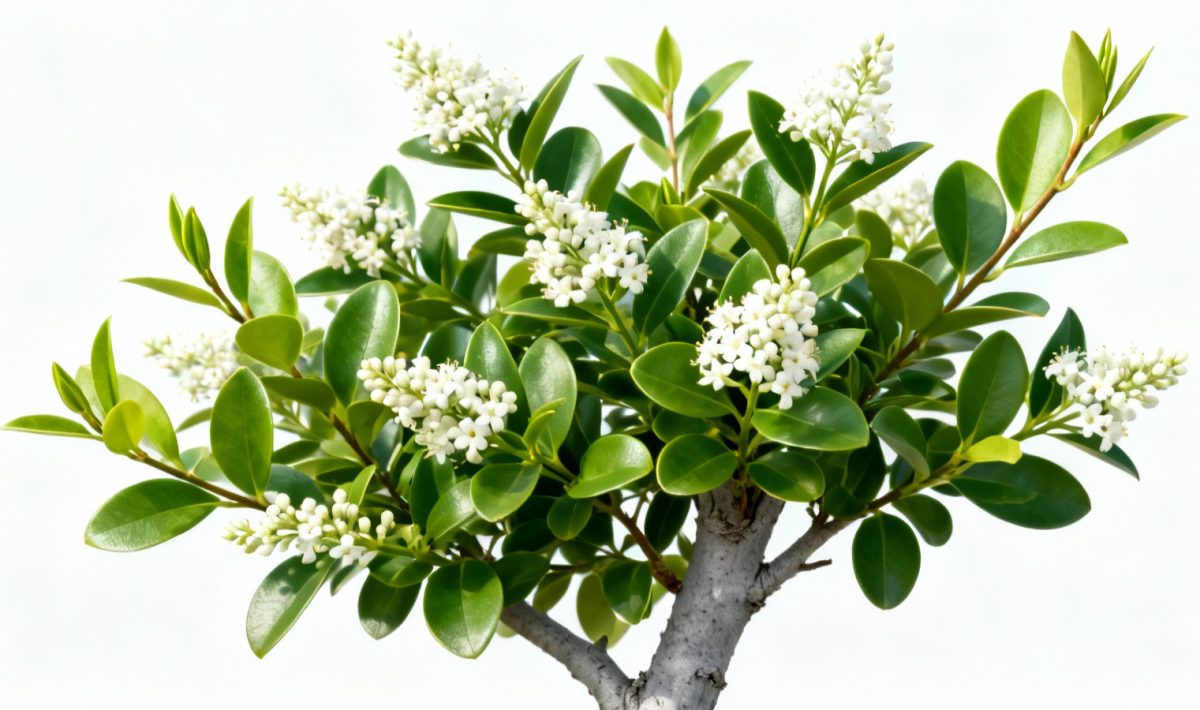
The Ligustrum vulgare belongs to the olive family (Oleaceae) and typically reaches a mature hauteur of 1 to 5 meters, depending on growing conditions and pruning practices. This medium-sized shrub develops a dense, branching structure that responds well to regular trimming. The plante produces small, oval-shaped feuilles that remain semi-evergreen in milder climates, providing year-round interest in your garden.
During late spring and early summer, clusters of small white flowers appear, filling the air with their distinctive fragrance. These blooms attract beneficial insects and later develop into small black berries that birds find irresistible. The résistance of this species to harsh weather conditions makes it particularly valuable in exposed locations where other plants might fail.
Understanding the natural growth pattern helps you make informed decisions about placement and care. Wild privet naturally forms dense thickets through underground runners, which explains its effectiveness as a screening plant. This characteristic also means you’ll need to consider its spreading tendency when planning your garden layout.
Optimal growing conditions and soil requirements
Creating the right environment for your Ligustrum vulgare sets the foundation for healthy croissance and long-term success. This adaptable shrub tolerates a wide range of sol types, from heavy clay to well-draining loam. However, it shows a particular preference for slightly alkaline conditions, thriving in calcaire-rich environments that might challenge other plants.
When it comes to light requirements, wild privet demonstrates remarkable flexibility. While it performs best in full sun, it readily adapts to partial shade and even tolerates quite dense ombre. This versatility makes it perfect for those tricky spots in your garden where other plantes struggle to establish themselves.
Moisture levels require some attention during the establishment phase, but once settled, the plant becomes quite drought-tolerant. Consistent but not excessive watering during the first growing season helps develop a strong root system. After that, natural rainfall typically provides adequate moisture in most climates.
Planting and establishment techniques
When working with racines nues specimens, timing becomes crucial for successful establishment. The best planting window falls between late autumn and early spring, when the plant remains dormant. This timing allows the root system to develop before the energy demands of spring growth begin.
Preparing your planting site properly makes a significant difference in establishment success. Dig a hole roughly twice the width of the root spread but no deeper than the original growing depth. This approach encourages lateral root development while preventing the common problem of settling that can lead to waterlogged roots.
Bare root planting offers several advantages over container-grown specimens. The racines establish more quickly without the constraints of potting soil, and you can often purchase larger specimens at lower prices. However, proper handling during the planting process becomes essential to prevent root desiccation.
Step-by-step planting process
Here’s how to successfully plant your wild privet:
Soak racines nues in water for 2-3 hours before planting
Trim any damaged or excessively long roots with clean pruners
Position the plant at the same depth it grew in the nursery
Backfill with native sol, firming gently as you go
Water thoroughly and apply a 2-inch layer of mulch
The first few weeks after planting require consistent attention to watering. Check soil moisture regularly, especially during dry spells, but avoid overwatering which can lead to root rot problems.
Care and maintenance practices
Maintaining your Ligustrum vulgare doesn’t require extensive expertise, but understanding its basic needs ensures optimal performance. Regular pruning keeps the plant dense and manageable while encouraging fresh growth. The best pruning time falls in late winter or early spring, just before new growth begins.
Much like care tips for Nerium oleander that focus on seasonal timing, wild privet benefits from consistent seasonal care routines. During the growing season, monthly inspection for pest issues and occasional deep watering during extended dry periods keeps plants healthy and vigorous.
Fertilization requirements remain minimal for established plants. An annual application of balanced fertilizer in early spring provides adequate nutrition for most situations. In poor soils, adding compost around the base annually improves soil structure and provides slow-release nutrients.
Common challenges and solutions
Several issues can affect wild privet, though most remain easily manageable with proper attention:
Aphid infestations during warm weather – treat with insecticidal soap
Leaf spot diseases in humid conditions – improve air circulation through pruning
Winter damage in harsh climates – provide windbreak protection
Overgrowth in fertile soils – increase pruning frequency
Understanding these potential problems helps you respond quickly when they arise, preventing minor issues from becoming major concerns.
Propagation methods and techniques
Expanding your wild privet collection through propagation offers both economic and practical benefits. Several reliable methods work well, each with its own advantages depending on your situation and timeline. Hardwood cuttings taken during winter dormancy provide the most straightforward approach for home gardeners.
To propagate through cuttings, select healthy branches from the current year’s growth, cutting 6-8 inch sections just below a leaf node. Remove lower feuilles and dip the cut end in rooting hormone before inserting into a well-draining propagation medium. Similar techniques work well for other woody plants, just as guidelines for Philodendron ‘Birkin’ care demonstrate effective propagation methods for different plant types.
Division of established clumps offers another reliable propagation method. During early spring, carefully dig around the parent plant and separate rooted sections with a sharp spade. Each division should have both roots and shoots to ensure successful establishment.
Seed propagation, while possible, requires more patience and doesn’t always produce plants identical to the parent. However, if you’re interested in raising native plants from local seed sources, collect ripe berries in autumn, clean the seeds, and stratify them over winter before spring sowing.
Landscape applications and design considerations
The versatility of Ligustrum vulgare makes it suitable for numerous landscape applications. Its dense growth habit and tolerance for regular trimming make it exceptional for formal hedging, while its natural form works beautifully in wildlife gardens and naturalized settings.
When planning hedge installations, space individual plantes 18-24 inches apart for dense coverage within two growing seasons. For informal screening, wider spacing of 3-4 feet allows each plant to develop its natural form while still providing effective privacy.
Mixed border plantings benefit from wild privet’s reliable structure and seasonal interest. Just as caring for Monstera obliqua plant requires understanding companion planting principles, combining wild privet with perennials and other shrubs creates layered, interesting compositions.
The noir berries provide winter interest and wildlife value, making this an excellent choice for bird-friendly gardens. However, consider placement carefully if you have small children, as the berries can be mildly toxic if consumed in large quantities.
Seasonal care and maintenance schedule
Developing a seasonal care routine helps you stay ahead of your wild privet’s needs throughout the year. Spring marks the time for major pruning, fertilizing, and planting new specimens. This active growth period also requires the most attention to watering and pest monitoring.
Summer care focuses on maintaining adequate moisture during dry spells and monitoring for stress signs. Light pruning of new growth helps maintain desired shape and density. Much like growing Southern magnolia effectively requires attention to seasonal needs, wild privet benefits from consistent seasonal attention.
Autumn preparation includes collecting seeds for propagation, reducing watering frequency, and applying winter mulch in colder regions. This season also offers excellent opportunities for taking hardwood cuttings for propagation projects.
Winter maintenance remains minimal but important. Remove any broken branches after storms and plan for the following year’s pruning and planting projects. In harsh climates, providing windbreak protection helps prevent winter damage to exposed specimens.
With proper understanding and care, Ligustrum vulgare rewards gardeners with years of reliable performance, making it a valuable addition to any landscape design. Its combination of adaptability, ease of care, and functional benefits ensures continued popularity among both professional landscapers and home gardeners seeking dependable plant choices.
Allan is a lifelong gardening enthusiast who still gets excited when the first seedlings pop up in spring. With a deep love for nature and a hands-in-the-soil approach, he shares practical tips, plant discoveries, and clever tricks picked up over years of digging, planting, and observing. Whether you’re a new gardener or have a shed full of tools, Allan writes like a neighbor who’s always happy to swap cuttings and stories over the fence.
You can find more about Allan’s work on Malt or connect with him on LinkedIn.