
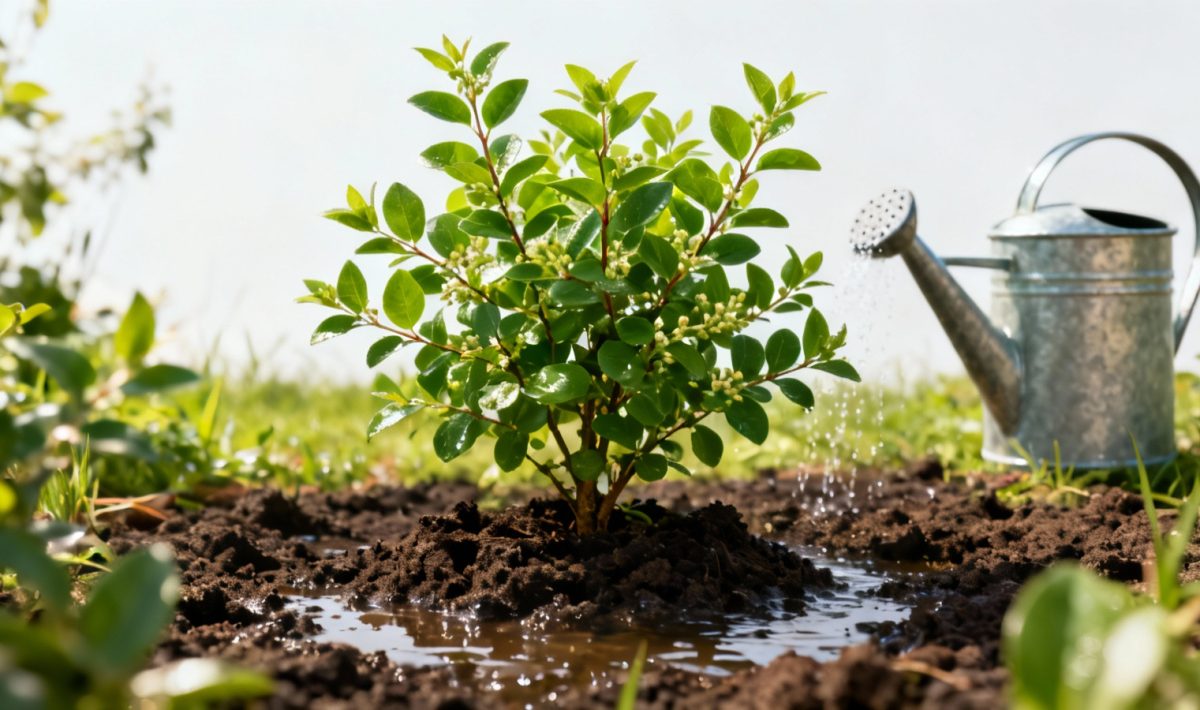
Understanding your wild privet’s water needs
Wild privet (Ligustrum vulgare) stands out as one of the most resilient native plants you can grow in your garden. This hardy botanical species doesn’t demand constant attention, but understanding how often should you water your wild privet makes the difference between a struggling hedge and a thriving wildlife haven. The key lies in recognizing that this common plant adapts beautifully to various conditions once established.
Unlike many garden species that require daily watering, wild privet actually prefers a more restrained approach. This native plant develops deep root systems that help it access water from lower soil layers. However, during the early stages of growth, your wild privet needs more frequent attention to establish these crucial roots.
Seasonal watering patterns for optimal growth
Spring marks the most critical period for watering your wild privet. As new growth emerges, the plant requires consistent moisture to support fresh shoots and leaves. During this early season, water your established privet once or twice per week, providing deep soaking rather than frequent light sprinkles.
Summer brings different challenges, especially during hot, dry spells. Your wild privet can typically handle drought conditions, but young plants benefit from weekly watering sessions. Mature hedges often survive with natural rainfall alone, though a good soaking every two weeks during extended dry periods keeps them looking their best.
When caring for various garden plants, you might find similarities with other species. For instance, understanding proper caring for your mock strawberry can provide insights into general watering principles that apply across different botanical families.
Winter care and dormant season watering
Winter watering becomes minimal for wild privet, as the plant enters dormancy. Most established hedges require no additional water during this period, relying entirely on natural precipitation. However, if you live in an area with extremely dry winters, occasional watering every month helps prevent root stress.
Young plants in their first winter need slightly more attention. Check soil moisture monthly and provide water if the ground feels dry several inches down. This ensures the developing root system doesn’t suffer damage from dehydration.
Factors that influence watering frequency
Soil type plays a huge role in determining how often you should water your wild privet. Clay soils retain moisture longer, meaning you can space watering sessions further apart. Sandy soils drain quickly, requiring more frequent attention to maintain adequate moisture levels around the root zone.
Local climate conditions also impact your watering schedule significantly. Areas with high humidity and regular rainfall naturally reduce the need for supplemental watering. Conversely, dry climates or windy locations increase evaporation rates, making more frequent watering necessary for healthy plant growth.
Just as you might adjust watering schedules for watering tips for corn plants, wild privet responds better to deep, infrequent watering rather than daily light applications. This approach encourages deeper root growth and improves drought resistance.
Plant age and establishment status
Newly planted wild privet requires the most intensive watering schedule. For the first two weeks, daily watering helps establish the root system in its new location. Use approximately four to five litres per plant, soaking the soil thoroughly around the base.
After the initial establishment period, gradually reduce watering frequency. By the end of the first growing season, most wild privet plants can transition to weekly watering during active growth periods. Mature hedges that have been in place for several years typically need watering only during prolonged dry spells.
Effective watering techniques and methods
Deep watering proves far more beneficial than frequent shallow applications when caring for wild privet. This native species develops extensive root systems that can access water from considerable depths. Shallow watering encourages surface roots, making plants more vulnerable to drought stress.
Create a shallow basin around each plant to direct water to the root zone effectively. This technique prevents runoff and ensures maximum water absorption. Apply water slowly, allowing it to soak deeply rather than running off the surface.
Many gardeners find success applying similar principles when learning about optimal watering for your scarlet-star or other botanical specimens. The key remains consistent: thorough, less frequent watering promotes stronger, more resilient plants.
Timing and water application methods
Early morning provides the best timing for watering wild privet. This schedule allows plants to absorb moisture before the day’s heat increases evaporation rates. Morning watering also reduces the risk of fungal diseases that can develop when foliage remains wet overnight.
Drip irrigation systems work excellently for hedge plantings, delivering water directly to root zones while minimizing waste. Soaker hoses offer another efficient option, providing slow, steady moisture that penetrates deeply into the soil.
Garden sprinklers can work for larger areas, but aim water at soil level rather than spraying foliage unnecessarily. This approach reduces water loss and prevents leaf diseases that sometimes affect privet in humid conditions.
Recognizing proper moisture levels
Learning to assess soil moisture helps you determine when your wild privet actually needs water. Insert a finger or small tool into the soil near the plant base. If moisture appears at a depth of two to three inches, the plant likely has adequate water reserves.
Visual cues from the plant itself provide valuable information about watering needs. Healthy wild privet maintains vibrant green foliage and steady growth during the growing season. Slightly wilted leaves or yellowing foliage may indicate either too much or too little water.
Different plants share similar moisture requirements, and understanding healthy growth of your cabbage plant can help you develop better intuition for reading plant water needs across various species.
Avoiding common watering mistakes
Overwatering causes more problems than underwatering for established wild privet. This hardy native plant tolerates dry conditions much better than waterlogged soil. Excessive moisture can lead to root rot and other serious issues that compromise plant health.
Avoid watering during the hottest part of the day, as rapid evaporation wastes water and can stress plants. Similarly, late evening watering leaves foliage wet overnight, creating conditions favorable for disease development.
Many gardeners make the mistake of watering too lightly and too frequently. This practice encourages shallow root development, making plants more susceptible to drought stress during hot weather or dry periods.
Special considerations for different growing conditions
Container-grown wild privet requires more frequent watering than plants growing directly in garden soil. Pots dry out quickly, especially during hot weather, so check container moisture levels every few days during the growing season.
Coastal gardens often benefit from reduced watering schedules due to higher humidity levels. However, salt exposure can stress plants, so occasional deep watering helps flush accumulated salts from the root zone.
Similar principles apply when managing other challenging plants, such as understanding watering guidelines for tansy ragwort or proper care for kikuyu grass in specialized garden environments.
Wildlife and ecological benefits
Properly watered wild privet provides excellent habitat for local wildlife. Birds nest in dense hedge growth, while the small white flowers attract beneficial insects during spring and early summer. Maintaining healthy plants through appropriate watering supports these important ecological relationships.
Native plants like wild privet typically require less water than exotic species once established. This characteristic makes them valuable additions to sustainable garden designs that emphasize water conservation and environmental responsibility.
The yellow berries that develop after flowering provide food for birds throughout autumn and winter. Consistent watering during the growing season helps ensure good berry production, supporting local wildlife populations year-round.
Understanding proper watering techniques for wild privet creates lasting benefits for both your garden and the broader ecosystem. This resilient native plant rewards thoughtful care with years of reliable growth, attractive foliage, and valuable wildlife habitat that enhances any outdoor space.

Allan is a lifelong gardening enthusiast who still gets excited when the first seedlings pop up in spring. With a deep love for nature and a hands-in-the-soil approach, he shares practical tips, plant discoveries, and clever tricks picked up over years of digging, planting, and observing. Whether you’re a new gardener or have a shed full of tools, Allan writes like a neighbor who’s always happy to swap cuttings and stories over the fence.
You can find more about Allan’s work on Malt or connect with him on LinkedIn.


