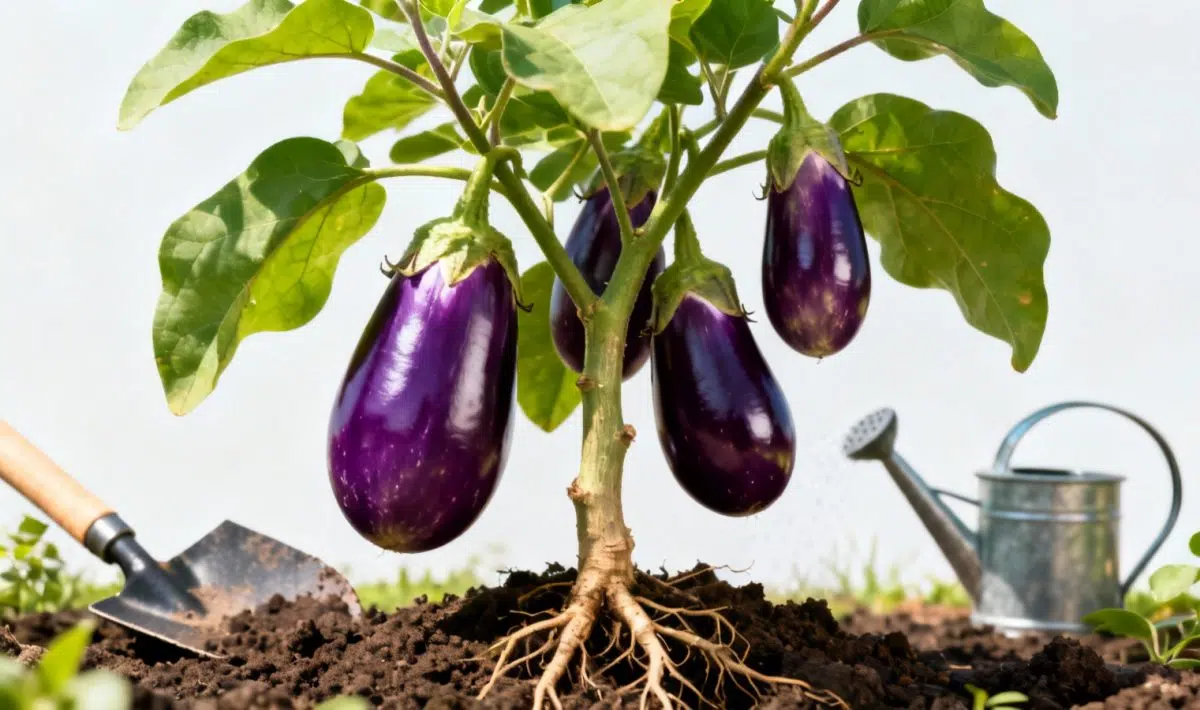
Eggplant solanum melongena: complete care and cultivation characteristics
Growing your own eggplants at home is one of those rewarding garden adventures that brings both beauty and flavor to your table. The eggplant, scientifically known as Solanum melongena, belongs to the nightshade family and offers gardeners a fascinating glimpse into cultivating this heat-loving vegetable. Originally from South Asia, this remarkable plant has traveled across continents to become a staple in cuisines worldwide.
Understanding eggplant characteristics and botanical features
The eggplant plant typically reaches heights of 60 to 100 centimeters, though grafted varieties can stretch up to 150 centimeters tall. Its distinctive oval-angular leaves span 30-40 centimeters in length and 10-20 centimeters in width, often displaying a velvety texture with occasional spines. The purple star-shaped flowers, measuring 2-3 centimeters across, feature bright yellow stamens that create a striking contrast.
What makes this Solanum melongena truly special is its incredible diversity. Over 250 varieties exist worldwide, ranging from the classic deep purple fruits to white, green, and even striped cultivars. The fruits themselves can be oval, round, or pear-shaped, with some varieties like Barbentane producing fruits up to 25-30 centimeters long and weighing around 280 grams.
The plant’s relationship with temperature cannot be overstated. Much like tips for caring for common lantana, eggplants thrive in warm conditions and struggle when temperatures drop below 12°C. This thermal sensitivity shapes every aspect of their cultivation.
Optimal growing conditions for successful eggplant culture
Creating the perfect environment for your eggplants starts with understanding their temperature preferences. Daytime temperatures between 22-27°C prove ideal, with 25°C being the sweet spot for optimal growth. Nighttime temperatures should remain between 17-22°C to ensure healthy fruit development.
Soil preparation plays a crucial role in eggplant success. These plants prefer well-draining, fertile soil with a pH between 6.0 and 7.0. The earth should be rich in organic matter, so incorporating compost or well-aged manure before planting creates an excellent foundation. Ensure your chosen location receives full sun exposure, as eggplants need at least 6-8 hours of direct sunlight daily.
When planning your garden layout, space plants approximately 60 centimeters apart to allow proper air circulation. This spacing prevents fungal diseases and gives each plant adequate room to develop its extensive root system. Consider companion planting with herbs like basil or marigolds, which can help deter common pests.
Watering and fertilization requirements
Consistent moisture proves essential for healthy eggplant development. Water deeply but infrequently, allowing the soil to dry slightly between waterings. Aim for about 2.5 centimeters of water weekly, either through rainfall or irrigation. Avoid overhead watering when possible, as wet foliage can encourage disease development.
Fertilization should begin before planting with a balanced organic fertilizer worked into the soil. Once plants establish themselves, side-dress with compost or a balanced fertilizer every 3-4 weeks throughout the growing season. Pay particular attention to phosphorus levels, as this nutrient supports flower and fruit development.
Eggplant propagation and seed starting
Starting eggplants from seed offers the widest variety selection and proves surprisingly straightforward with proper timing. Begin seeds indoors 8-10 weeks before your last expected frost date. The seeds require warm soil temperatures of 21-27°C for optimal germination, which typically occurs within 7-14 days under ideal conditions.
Use a high-quality seed-starting mix and plant seeds about 6 millimeters deep in individual containers. Much like the methods used for growing and caring for ti plants, maintaining consistent moisture and warmth during the germination phase ensures success. Cover seed trays with plastic wrap or use a humidity dome to retain moisture.
Once seedlings develop their first true leaves, thin to the strongest plant per container. Begin hardening off plants two weeks before transplanting outdoors, gradually exposing them to outdoor conditions for increasing periods each day.
Transplanting and establishment
Transplant seedlings outdoors only after soil temperatures consistently reach 18°C and all danger of frost has passed. Choose a calm, overcast day for transplanting to minimize transplant shock. Dig holes slightly larger than the root ball and plant at the same depth they were growing in containers.
Water transplants thoroughly after planting and consider using black plastic mulch or row covers to warm the soil and protect young plants. This extra warmth boost can significantly improve early season growth and fruit set.
Common eggplant varieties and their characteristics
Classic varieties like ‘Black Beauty’ produce large, glossy purple fruits perfect for traditional recipes like ratatouille and baba ganoush. This variety typically matures in 70-80 days and offers reliable production in most growing regions.
For gardeners seeking something different, white varieties such as ‘Casper’ produce creamy white fruits with mild, less bitter flavor. These eggplants mature earlier than purple varieties and offer excellent disease resistance. Asian varieties like ‘Japanese Long Purple’ produce slender fruits perfect for stir-fries and grilling.
Small-fruited varieties, sometimes called “baby eggplants,” include ‘Ping Tung’ and ‘Fairy Tale,’ which produce clusters of bite-sized fruits ideal for container growing. These varieties often show better cold tolerance than their larger cousins, similar to how how to grow rutabagas successfully requires understanding variety-specific needs.
Managing pests and diseases effectively
Eggplants face several common challenges that require proactive management. Flea beetles often attack young plants, creating small holes in leaves that can severely stress transplants. Row covers during the first few weeks after transplanting provide excellent protection while plants establish themselves.
Verticillium wilt presents a more serious threat, causing leaves to yellow and wilt despite adequate soil moisture. This soil-borne fungal disease has no cure, making prevention through crop rotation and resistant varieties crucial. Avoid planting eggplants in the same location where tomatoes, peppers, or potatoes grew the previous season.
Colorado potato beetles can quickly defoliate plants if left unchecked. Hand-picking adult beetles and crushing egg masses provides effective control for small gardens. Beneficial insects like ladybugs and lacewings help control aphids and other soft-bodied pests naturally.
Disease prevention strategies
Proper spacing, good air circulation, and avoiding overhead watering significantly reduce disease pressure. Remove any diseased plant material immediately and dispose of it in household trash rather than compost. Crop rotation on a three-year cycle helps break disease cycles and maintains soil health.
Consider using disease-resistant varieties when available, as these offer built-in protection against common problems. Regular monitoring allows early detection and intervention before problems become severe.
Harvesting and storage tips
Knowing when to harvest eggplants makes the difference between tender, flavorful fruits and tough, seedy disappointments. Harvest when fruits reach full size but still maintain glossy skin and firm flesh. The skin should yield slightly to gentle pressure without leaving an indentation.
Use sharp pruning shears or a knife to cut fruits from the plant, leaving about 2.5 centimeters of stem attached. Handle harvested fruits gently to avoid bruising, as damaged areas deteriorate quickly. Fresh eggplants store best at temperatures around 10-12°C with high humidity.
For short-term storage, keep unwashed eggplants in the refrigerator crisper drawer for up to one week. Unlike many vegetables, eggplants don’t freeze well fresh, but they can be prepared and frozen as baba ganoush, ratatouille, or other cooked dishes.
Extending the harvest season
Regular harvesting encourages continued fruit production throughout the growing season. Remove overripe fruits promptly, as they signal the plant to stop producing new flowers. In regions with long growing seasons, plants can produce fruits for several months with proper care.
As temperatures begin cooling in late summer, consider using row covers or cold frames to extend the harvest into early fall. Even when growth slows, existing fruits will continue to mature and provide fresh vegetables for your table.
Much like the specialized care techniques used for care tips for painted-leaf begonias, successful eggplant cultivation rewards patient gardeners with abundant harvests and the satisfaction of growing this remarkable member of the nightshade family.
Allan is a lifelong gardening enthusiast who still gets excited when the first seedlings pop up in spring. With a deep love for nature and a hands-in-the-soil approach, he shares practical tips, plant discoveries, and clever tricks picked up over years of digging, planting, and observing. Whether you’re a new gardener or have a shed full of tools, Allan writes like a neighbor who’s always happy to swap cuttings and stories over the fence.
You can find more about Allan’s work on Malt or connect with him on LinkedIn.