
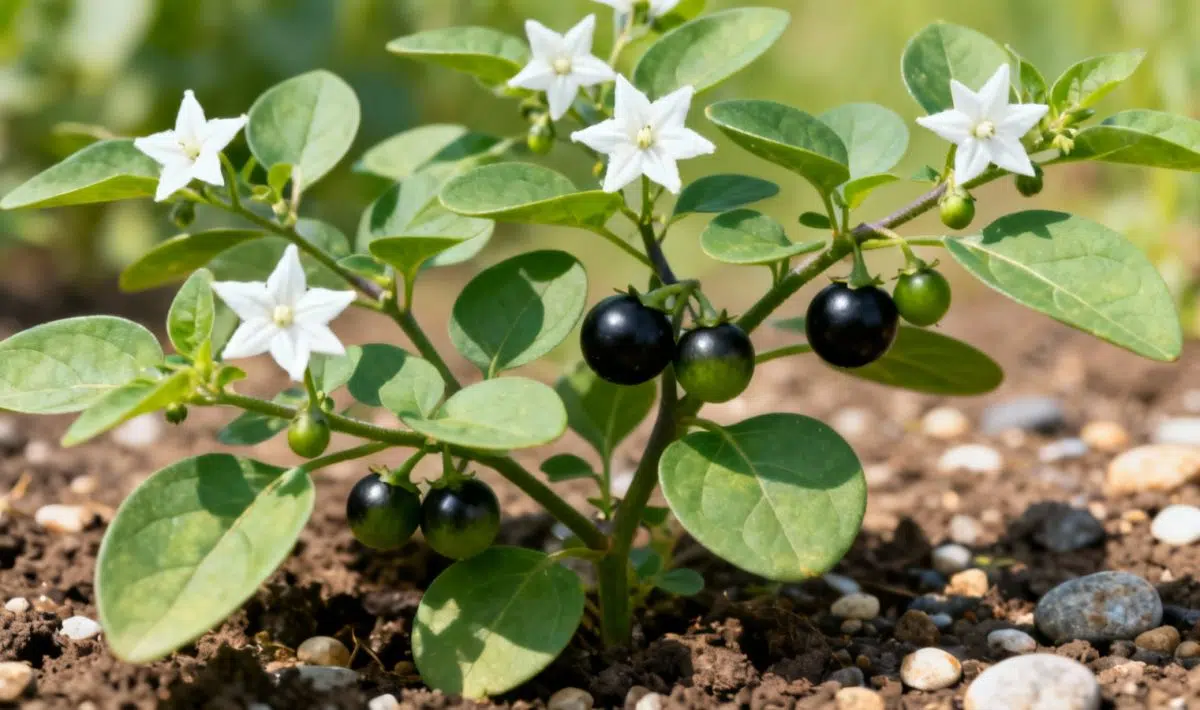
Introduction to Black Nightshade (Solanum nigrum)
Black nightshade, scientifically known as Solanum nigrum, belongs to the fascinating Solanaceae family alongside tomatoes and potatoes. This remarkable annual plant has captured attention worldwide for its adaptability and diverse applications. Native to Africa, this hardy species has established itself across multiple continents, thriving in various environmental conditions.
The plant’s significance extends beyond its botanical classification. In many African countries like Kenya, Cameroun, and Nigeria, black nightshade serves as an important leafy vegetable crop. Its resilience and nutritional value make it particularly valuable in regions where other crops might struggle.
Botanical Characteristics and Morphology
Understanding the physical features of Solanum nigrum proves essential for proper identification and care. The plant typically reaches heights between 30 to 100 centimeters, developing a robust branching structure. Its feuilles display an ovate to lanceolate shape, creating an attractive foliage arrangement that changes throughout the growing season.
The fleurs appear as delicate white, star-shaped blooms arranged in clusters during spring through late summer. These flowers eventually develop into the characteristic baies that transition from green to deep purple-black when mature. This transformation provides a clear indication of fruit ripeness, though caution remains necessary regarding consumption.
Similar to how care and characteristics of black walnut requires understanding its unique features, recognizing black nightshade’s morphology helps distinguish it from related espèces like Solanum scabrum, which shares many similar traits but exhibits subtle differences.
Natural Habitat and Distribution
Originally from ouest Afrique, black nightshade has demonstrated remarkable adaptability across diverse climates and soil types. The plant flourishes in areas with rich, nitrogen-abundant soils but tolerates various soil conditions including disturbed ground. This flexibility explains its widespread distribution from tropical regions to temperate zones.
In its native habitat, the plante often grows as a sauvage herb, colonizing areas quickly through efficient seed dispersal. The espèce shows particular preference for locations receiving full sun to partial shade, adapting its growth pattern based on available light conditions.
Cultivation Requirements and Growing Conditions
Successfully growing Solanum nigrum requires attention to specific environmental factors. The plant thrives in well-drained, fertile soils with pH levels ranging from 5.5 to 6.8. Adequate eau management proves crucial, as the plant needs consistent moisture without waterlogging.
Temperature considerations play a vital role in cultivation success. Black nightshade prefers warm growing conditions and cannot tolerate frost. Planning your culture around the growing saison ensures optimal development, with semis typically occurring after the last frost date in your region.
For those interested in expanding their knowledge about similar plants, exploring tips for cultivating American black nightshade provides valuable insights into related species cultivation techniques.
Propagation Methods and Seed Starting
Propagation of black nightshade primarily occurs through graines, though understanding proper techniques maximizes success rates. Fresh seeds germinate more readily than older ones, with optimal germination occurring at soil temperatures between 20-25°C. The semis process requires careful attention to moisture levels and light exposure.
Starting seeds indoors approximately 6-8 semaines before the last frost provides a head start on the growing season. Plant seeds at a depth of 0.5 cm in well-draining seed starting mix. Maintaining consistent soil moisture without oversaturation promotes healthy seedling development.
Once seedlings reach 10-15 cm in height, they’re ready for transplanting. Hardening off plants gradually over several days prepares them for outdoor conditions, reducing transplant shock and improving establishment success.
Care and Maintenance Throughout the Growing Season
Proper care ensures vigorous growth and productive harvests from your black nightshade plants. Regular watering maintains soil moisture, particularly during dry periods when the plant might stress. Mulching around plants conserves moisture while suppressing weed competition.
Fertilization supports robust growth, with nitrogen-rich fertilizers promoting leafy development. However, balanced nutrition prevents excessive vegetative growth at the expense of fruit production. Monitoring plant health throughout the croissance period allows for timely intervention when issues arise.
Just as growing and caring for guava plants requires specific attention to detail, black nightshade benefits from consistent monitoring and appropriate responses to changing conditions.
Harvesting and Utilization
Harvest timing significantly impacts both safety and quality of black nightshade products. Young feuilles can be harvested continuously throughout the growing season, providing a renewable source of leafy légumes. These leaves require proper cuisson before consumption, as raw consumption may cause digestive issues.
The fruits require careful consideration regarding harvest and use. Only fully mur baies should be considered for consumption, and even then, moderation remains important. Unripe fruits contain higher levels of potentially toxiques compounds, making proper identification of ripeness crucial.
Processing harvested materials safely involves thorough washing and appropriate cooking methods. Many traditional African cuisines incorporate cooked black nightshade leaves into various dishes, treating them similarly to spinach or other leafy légume crops.
Safety Considerations and Toxicity Awareness
Understanding the toxicité aspects of black nightshade ensures safe handling and use. The plant contains solanine and other glycoalkaloids, particularly concentrated in unripe fruits and green plant parts. These compounds serve as natural defense mechanisms against insectes and herbivores.
Proper identification becomes essential when foraging or working with sauvages populations. Distinguishing between different nightshade espèces prevents accidental consumption of more toxic relatives. When in doubt, consulting botanical references or local experts provides additional safety assurance.
Individuals interested in diversifying their plant knowledge might find value in learning about care tips for common coleus, which offers safer ornamental alternatives while building gardening skills.
Ecological Benefits and Interactions
Beyond its direct uses, black nightshade provides several ecological benefits in garden and natural settings. The fleur attract various beneficial insectes, including pollinators and predatory species that help control pest populations. This makes the plant valuable for integrated pest management strategies.
The plante also demonstrates phytoremediation properties, helping remove certain contaminants from soil. This characteristic makes it useful for rehabilitating disturbed areas while providing economic benefits through harvest of edible portions.
Future Perspectives and Research Developments
Ongoing research continues to explore the potential of Solanum nigrum in various applications. Scientists investigate its nutritional properties, examining vitamin and mineral content that makes it valuable as a food source. Additionally, studies focus on optimizing cultivation techniques for improved yields and safety.
Agricultural development programs in Africa and other regions work to enhance black nightshade production systems. These efforts aim to increase food security while preserving traditional knowledge about plant usage and cultivation methods.
For gardeners seeking to expand their repertoire with unique plants, exploring growing golden dewdrops successfully offers another interesting cultivation challenge with rewarding results.
Black nightshade represents a fascinating intersection of botanique science, cultural tradition, and modern agriculture. With proper knowledge and careful attention to safety considerations, this versatile plant can provide both educational value and practical benefits for dedicated gardeners willing to explore beyond conventional crops.

Allan is a lifelong gardening enthusiast who still gets excited when the first seedlings pop up in spring. With a deep love for nature and a hands-in-the-soil approach, he shares practical tips, plant discoveries, and clever tricks picked up over years of digging, planting, and observing. Whether you’re a new gardener or have a shed full of tools, Allan writes like a neighbor who’s always happy to swap cuttings and stories over the fence.
You can find more about Allan’s work on Malt or connect with him on LinkedIn.


